
SIMAD University Leads Renewable Energy Training for African Universities
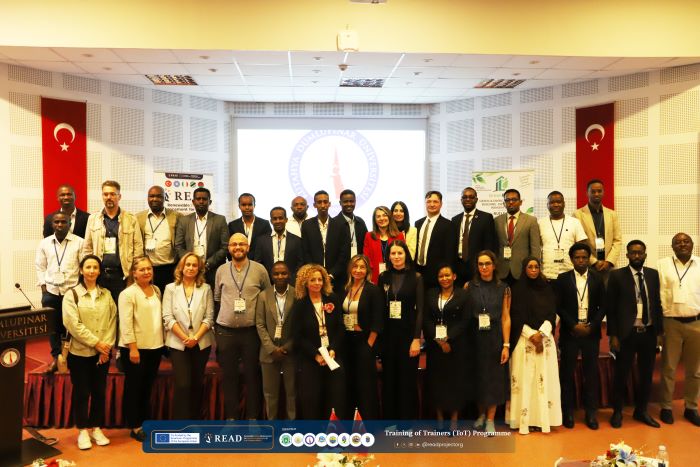
The EU co-funded READ Project has completed a major faculty training programme in Türkiye as Somali universities prepare to expand renewable energy teaching and practical green skills development.
GOOBJOOG NEWS| KÜTAHYA-TÜRKIYE: SIMAD University has marked a major step in strengthening renewable energy education in Somalia following the completion of an international Training of Trainers programme at Kütahya Dumlupınar University in Türkiye.
The five-day training, held from 21 to 25 September 2026, brought together more than 30 academics and project representatives from eight universities across five countries: SIMAD University, Mogadishu University and Capital University of Somalia; the University of Dar es Salaam and Saint Augustine University of Tanzania; the University of Malawi; Kütahya Dumlupınar University in Türkiye; and the University of Cassino and Southern Lazio in Italy.
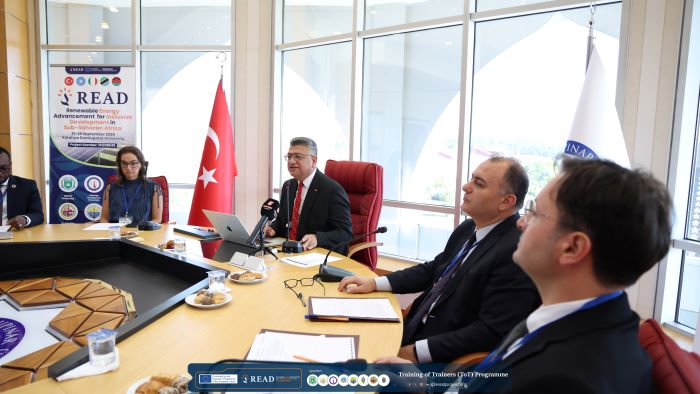
The activity was implemented under the Renewable Energy Advancement for Inclusive Development in Sub-Saharan Africa (READ) Project, coordinated by SIMAD University and co-funded by the European Union through its Erasmus+ Capacity Building in Higher Education programme.
The initiative seeks to strengthen the ability of participating universities to educate future engineers, researchers and entrepreneurs in renewable energy technologies.
Preparing Somali universities for new renewable energy courses
A central objective of the programme was to prepare lecturers to teach and adapt 18 renewable energy modules developed through the READ consortium. The modules form two courses covering Renewable Energy Technologies and Systems and Energy Entrepreneurship.
During the training, participants explored modern teaching methodologies, curriculum development, blended learning, classroom management and student assessment. They also visited renewable energy facilities in Kütahya, gaining practical exposure to solar and wind energy generation, hybrid systems and electricity grid integration.
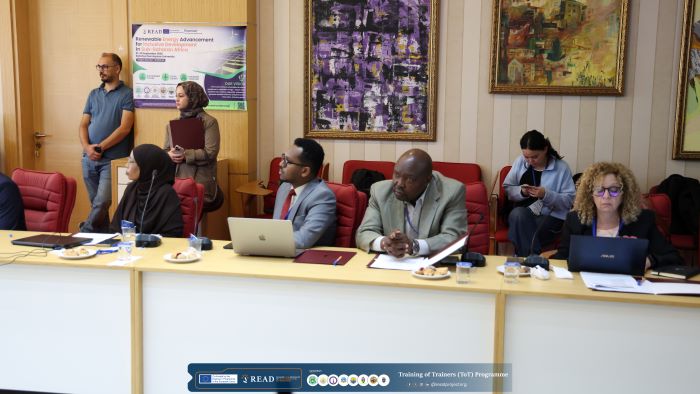
The experience is expected to inform how participating universities develop practical teaching activities and incorporate locally relevant renewable energy examples into their programmes. For Somalia, Tanzania and Malawi, this is particularly relevant as higher education institutions seek to strengthen technical expertise in a sector connected to electricity access, enterprise development and environmental sustainability.
SIMAD University coordinates international academic cooperation
Speaking at the opening ceremony, READ Project Coordinator Mohamed Okash emphasised that the training was intended to produce lasting institutional benefits. “Our responsibility is not simply to introduce these courses during the lifetime of READ,” he said, stressing that the new materials should remain part of participating universities after the project concludes.
Dumlupınar University Rector Prof. Dr. Süleyman Kızıltoprak also highlighted the importance of transferring the knowledge gained during the programme to students in Somalia, Malawi and Tanzania.
According to his opening remarks at the programme, the Rector said the programme would address an identified shortage of qualified renewable energy educators through international academic cooperation. “During these five days, our priority will be to develop educational solutions to address this need,” The Rector, Dr Kızıltoprak said.
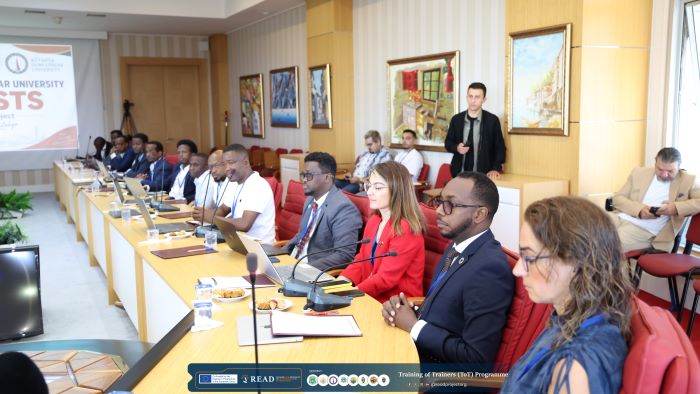
The READ Project is now moving towards the implementation of its teaching materials across six African universities. Its targets include enrolling at least 300 students in renewable energy courses and providing entrepreneurship training to 120 young people, alongside research development and industry internship opportunities.
For SIMAD University and its Somali partner institutions, the next stage will involve translating the knowledge gained in Türkiye into university classrooms, practical learning and new opportunities for students. The programme positions African universities to contribute directly to developing the skilled workforce required for the country’s renewable energy transition.