
Somali Piracy Returns to Decade-High Levels With Eight Hijackings
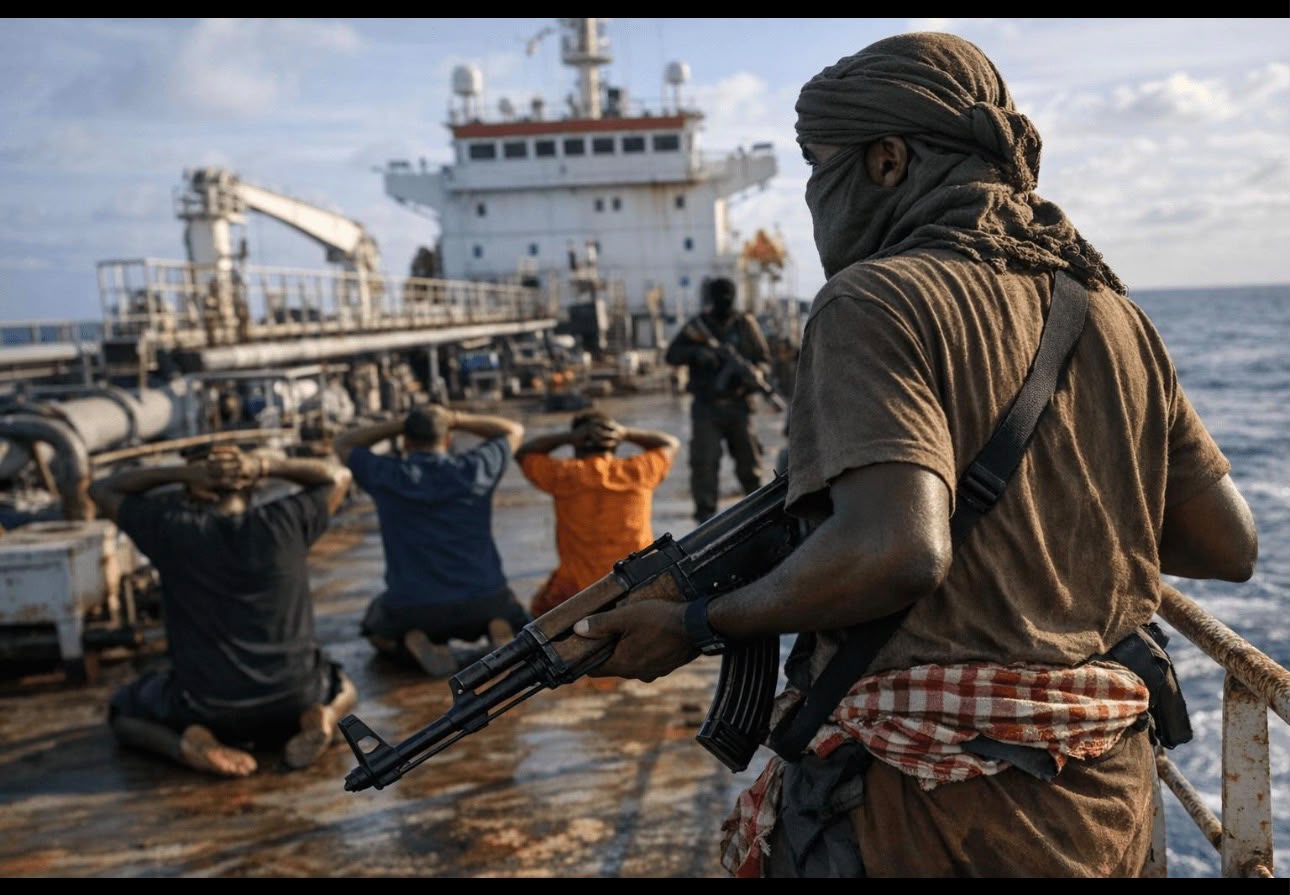
GOOBJOOG NEWS | MOGADISHU: Somali piracy has returned to levels not seen in about a decade, with eight vessels hijacked since late April in a resurgence that has renewed concerns about maritime security around the Horn of Africa.
The attacks have mainly targeted commercial ships and smaller vessels, reversing years of relative calm after international naval operations helped bring Somalia’s piracy crisis under control.
Two hijackings were reported within a fortnight in August, including the seizure of the Cameroon-flagged MV Lutuf, which was later released following a joint operation involving Somali and Turkish forces.
The resurgence has coincided with wider instability across the region and a reduction in the international naval presence that once focused heavily on Somalia’s coastline.
Some international naval resources have been redirected towards security threats in the Red Sea and other strategic waterways, creating fewer resources for dedicated anti-piracy operations off Somalia. Analysts say the changing security environment has created opportunities for pirate groups to operate again.
Pirate networks also appear to have adapted since their previous period of activity. Officials and maritime analysts have reported the use of improved communications and tracking technology, while vessels previously seized by pirates have reportedly been used to support subsequent attacks.
RANSOM CONCERNS
The return of piracy has renewed concerns about ransom payments.
The release of the MV Lutuf was accompanied by conflicting accounts over whether a ransom was paid, with Puntland authorities saying money had been handed over while Somalia’s federal government attributed the release to a joint military operation. The claims have not been independently verified.
Maritime experts warn that ransom payments can provide pirate networks with money to reorganise and finance further operations.
Somalia experienced its worst piracy crisis between the mid-2000s and early 2010s. More than 1,000 attacks were recorded during that period, with thousands of crew members taken hostage and hundreds of millions of dollars paid in ransom before international naval patrols and improved security measures brought the threat down sharply.
The current wave remains far smaller than the crisis of that period, but the latest attacks have raised questions about whether Somalia and its international partners can prevent piracy from becoming a sustained threat again.
The challenge for Somalia is not only protecting ships at sea, but also addressing the security and governance problems along its long coastline that have historically allowed piracy networks to take root.