
Somalia Faces Security Funding Risks as External Support Declines, World Bank Warns
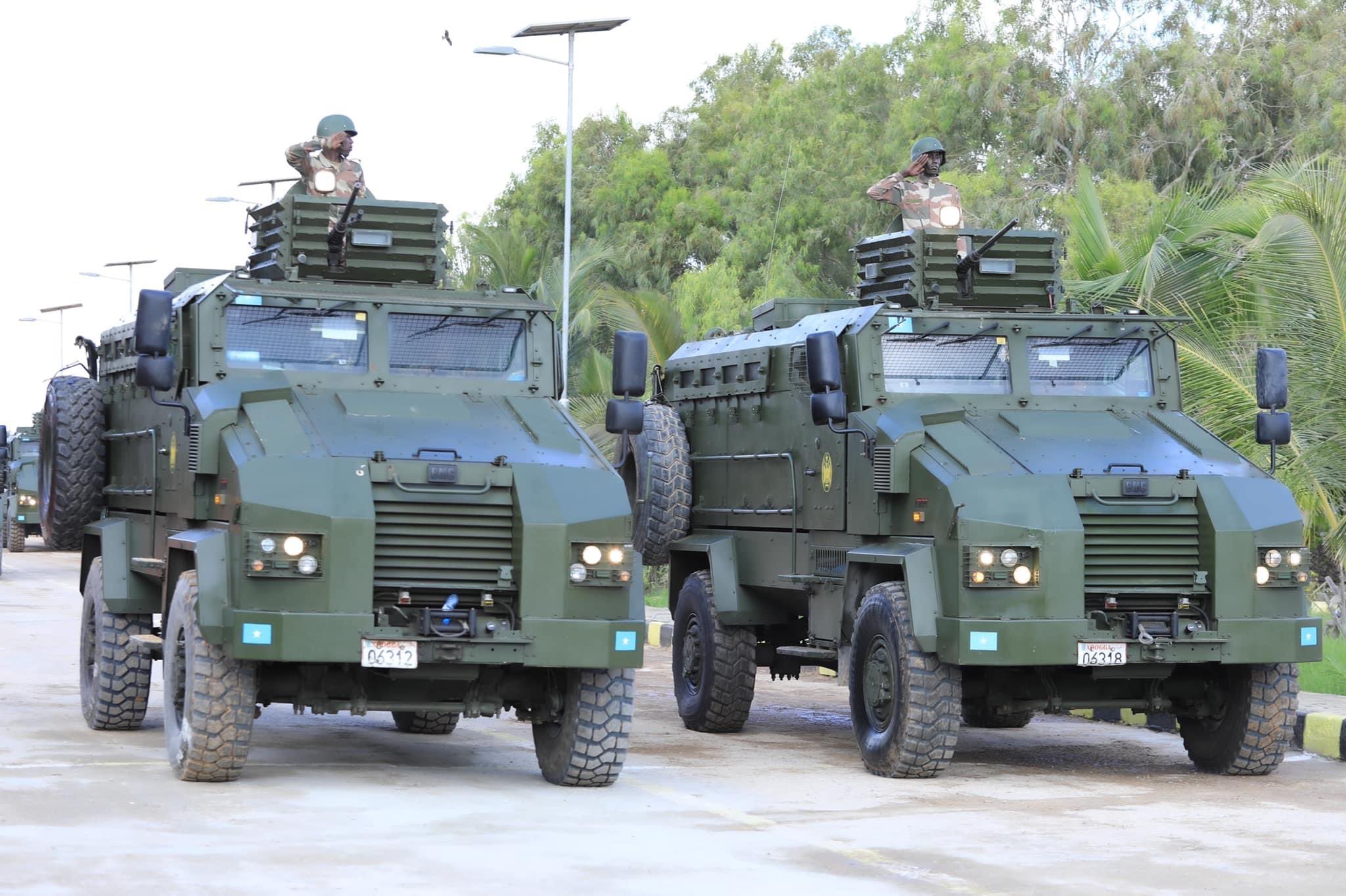
GOOBJOOG NEWS|MOGADISHU: Somalia faces difficult choices over financing its security forces as external support declines, with a World Bank review highlighting the risk of costs exceeding the government’s resources.
Annual security financing exceeds US$1 billion, much of it provided externally and outside the government budget, according to the Somalia Public Finance Review.
The review warns that the planned drawdown of the African Union Support and Stabilisation Mission in Somalia, known as AUSSOM, could leave the government facing unaffordable costs or weakened security capacity.
The warning comes amid uncertainty over future US support for the United Nations Support Office in Somalia, or UNSOS, which provides essential logistics to African Union forces.
Reuters reported on September 18 that Washington had indicated support for a 12-month drawdown of UNSOS, followed by its closure. Sources cited by Reuters said the countdown was expected to begin in January 2027, with the timetable still subject to Security Council deliberations.
That position superseded the earlier prospect of support stopping at the end of 2026. The proposed withdrawal concerns UNSOS rather than all UN operations in Somalia. African Union troops rely on the office for food, water, fuel, medical services and transport.
The funding uncertainty comes as al-Shabaab remains an active threats in central and southern regions of Somalia. The Federal Parliament allocated approximately US$271 million to defence and national security in the 2026 national budget, up from US$257 million in 2025.
The allocation includes about US$185 million for defence and US$86 million for national security, with US$177 million earmarked for the armed forces. These federal budget allocations sit alongside substantial external security support provided outside the government budget, leaving Somalia exposed to changes in international funding.
The World Bank review identifies payroll gaps, an expanded force structure and spending concentrated on wages and allowances as constraints on operational readiness.
It recommends continuous biometric payroll verification and security budgeting based on the capabilities forces need to deliver, rather than primarily on personnel numbers.
Somalia’s limited domestic financing base complicates efforts to absorb additional security costs. Domestic revenues reached an estimated 6.3% of gross domestic product in 2025, but remain insufficient to finance core state functions and development needs, the Bank said.
The review calls for security financing risks to be incorporated into broader fiscal planning, alongside preparations for lower grants and other pressures on public resources.
Stronger domestic revenues and more efficient spending could help Somalia manage the transition, although external financing would still be needed during the reform period.