
Somalia, UN Push for Early Action to Limit Impact of Floods
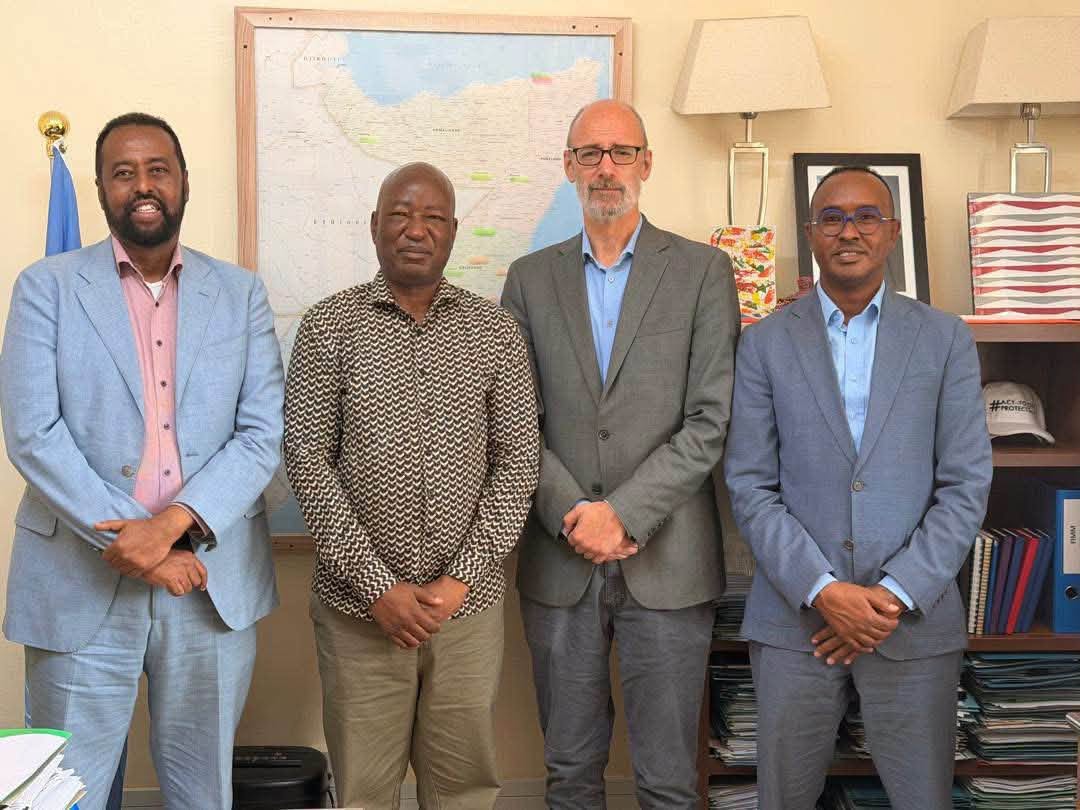
GOOBJOOG NEWS | MOGADISHU: Somalia’s disaster management authorities have urged government agencies and humanitarian organisations to act before floods strike, as the country prepares for the possibility of further climate-related emergencies.
The call came during a meeting between SoDMA Commissioner Mohamud Moallim Abdulle, the South West State minister responsible for humanitarian affairs and George Conway, the UN Humanitarian Coordinator for Somalia.
The officials discussed how the federal government, regional authorities and aid organisations could work more closely to protect communities that are particularly vulnerable to flooding.
Mr Abdulle stressed that preparations should not begin only after floodwaters have reached communities. Instead, authorities should use available forecasts and early-warning information to identify risks and take action in advance.
The approach, known as anticipatory action, is intended to reduce the humanitarian consequences of predictable hazards by allowing assistance and other measures to be put in place before the worst impacts occur.
The issue is particularly important for Somalia after years of drought and repeated climate shocks have left many communities with little capacity to withstand another emergency.
Mr Conway said last month that humanitarian partners were preparing for possible El Niño-related flooding later this year following prolonged drought. He warned that communities already affected by repeated crises had limited room to absorb another major shock.
SoDMA officials said it is pushing got closer coordination between disaster authorities, federal member states and humanitarian organisations so that action can begin when risks are identified, rather than waiting until communities are already in crisis.
Mr Abdulle said Somalia could reduce the risks posed by foreseeable disasters through joint action and faster coordination.
The meeting also reflects a wider effort by Somalia and its humanitarian partners to strengthen disaster preparedness as the country faces overlapping pressures from climate shocks, displacement and food insecurity.
The UN has identified about 4.8 million people as requiring humanitarian assistance in Somalia in 2026, while humanitarian partners are preparing for possible flooding following the prolonged drought.
For communities repeatedly exposed to drought and floods, the difference between responding to a disaster and preparing for it could determine how severe its consequences become.