
Somalia Moves to Strengthen Flood Defences Ahead Of Deyr Rains
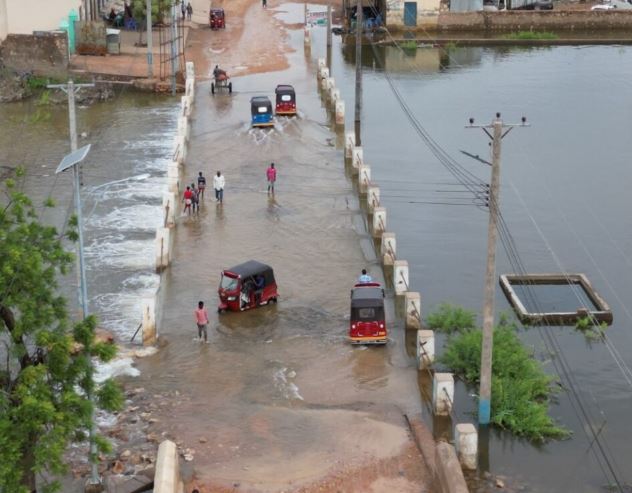
GOOBJOOG NEWS | MOGADISHU: The federal government of Somalia is considering stronger flood-prevention measures along the Jubba and Shabelle rivers, with the government and the United Nations Food and Agriculture Organization (FAO) focusing on vulnerable riverbanks, early warnings and the protection of farming communities ahead of the rainy season.
The issue was at the centre of talks between FAO Representative Etienne Peterschmitt and Somali Disaster Management Agency (SoDMA) Commissioner Mahmoud Maallin Abdulle, amid concerns that heavy rains could put riverine communities and agricultural areas at greater risk.
A key focus is identifying and reinforcing weak sections of the riverbanks where rising water could breach existing defences. Hiiraan is among the areas receiving attention after recent inspections by SoDMA officials.
The discussions also highlighted the need for stronger early-warning systems and closer coordination so that communities can receive timely information and authorities can act before flooding causes significant damage.
The concern comes as Somalia approaches the October-December Deyr rainy season, when heavy rainfall can cause both river and flash floods. Forecasts pointing to El Niño conditions have added to the need for early preparations.
El Niño, a climate phenomenon associated with warmer-than-usual Pacific Ocean temperatures, can disrupt normal rainfall patterns across East Africa. In Somalia, unusually heavy rains can cause rivers to rise rapidly, threatening settlements and farmland along the Jubba and Shabelle.
The two rivers are particularly important to Somalia’s food system. Their fertile floodplains support farming and livestock, but communities living nearby remain exposed when river levels rise beyond the capacity of riverbanks and drainage systems.
The country has also faced repeated climate shocks in recent years, including severe drought followed by damaging floods. Such cycles have left many households with limited resources to recover from successive emergencies.
Against that backdrop, the FAO-SoDMA discussions point to a preventive approach focused on strengthening river defences, improving warnings and protecting livelihoods before flooding occurs.
No new funding, riverbank rehabilitation contract or evacuation order was announced, but the emphasis on vulnerable river sections and early-warning measures highlights the pressure on authorities to strengthen preparedness before the rains intensify.