
Somalia’s Parliament Speaker Calls for Press Freedom, Warns Against Misinformation
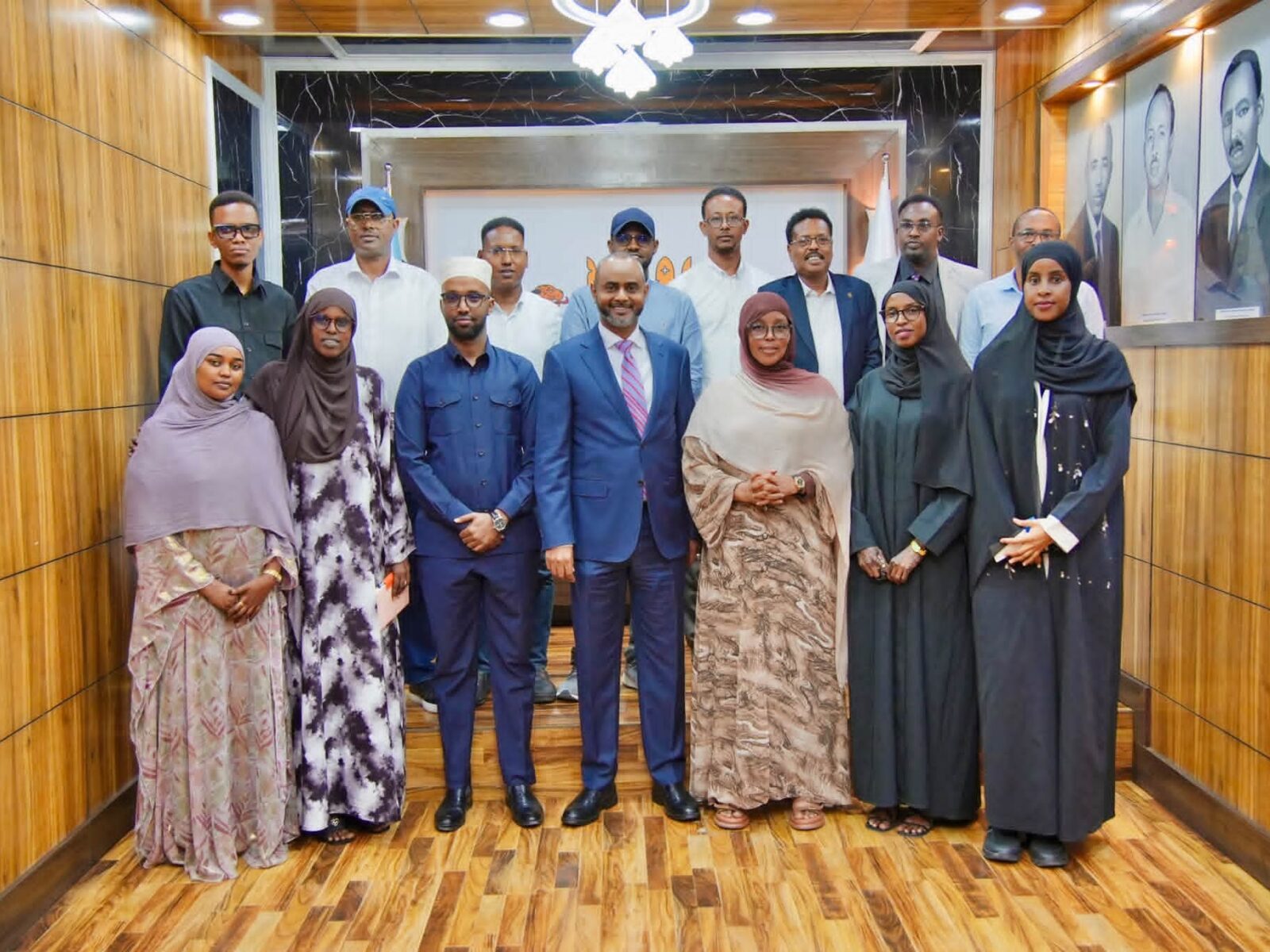
GOOBJOOG NEWS | MOGADISHU: Somalia’s parliamentary speaker has defended the role of independent journalism in holding authorities accountable, even as the government steps up efforts to curb misinformation and extremist propaganda in a country grappling with political tensions and a prolonged insurgency.
Abdulqadir Mohamed Nur , Speaker of the House of the People, said the media must be free to scrutinise government institutions and expose shortcomings, describing constructive criticism as essential to transparency and national development.
His remarks, made during talks with executives of privately owned media organisations in Mogadishu on Tuesday, come amid growing debate over how Somalia can combat disinformation without undermining press freedom.
The government has increasingly raised concerns about the circulation of misleading information and Al-Shabaab propaganda, particularly on social media, where political disputes and security developments frequently generate competing narratives.
Earlier this month, the Ministry of Information warned media organisations and online platforms against disseminating material promoting terrorism, encouraging violence or supporting extremist recruitment, citing existing media and counterterrorism legislation.
The latest discussions suggest an effort to strengthen relations between state institutions and independent news organisations while addressing concerns over the accuracy of information reaching the public.
Nur urged media executives to help counter false information and propaganda that he said served Al-Shabaab and other groups seeking to undermine Somalia’s security and state institutions.
But he also acknowledged the importance of journalists who investigate government activities and challenge official decisions, saying such reporting contributes to stronger institutions and public accountability.
Somalia’s media sector has long operated in a difficult environment shaped by insecurity, political pressure and limited access to official information. Journalists covering security operations, corruption and political disputes face particular challenges in obtaining reliable accounts of events.
The relationship between the government and independent media has become increasingly important as the country pursues electoral reforms and constitutional changes that have generated disagreements among political leaders.
With parliament playing a central role in shaping those reforms, access to timely and accurate information about legislative proceedings remains critical to public understanding and scrutiny.
Tuesday’s meeting also explored ways to improve communication between the House of the People and private media organisations, including ensuring that parliamentary activities and decisions are reported accurately.
The discussions did not produce any publicly announced agreement on new media access arrangements or safeguards for editorial independence.
The challenge for Somali authorities will be to distinguish between deliberate extremist propaganda and legitimate reporting or criticism, while ensuring that efforts to protect national security do not restrict the public’s right to information.