
Understanding Autism in Somali Communities: Moving Beyond Misconceptions and Building an Inclusive Society
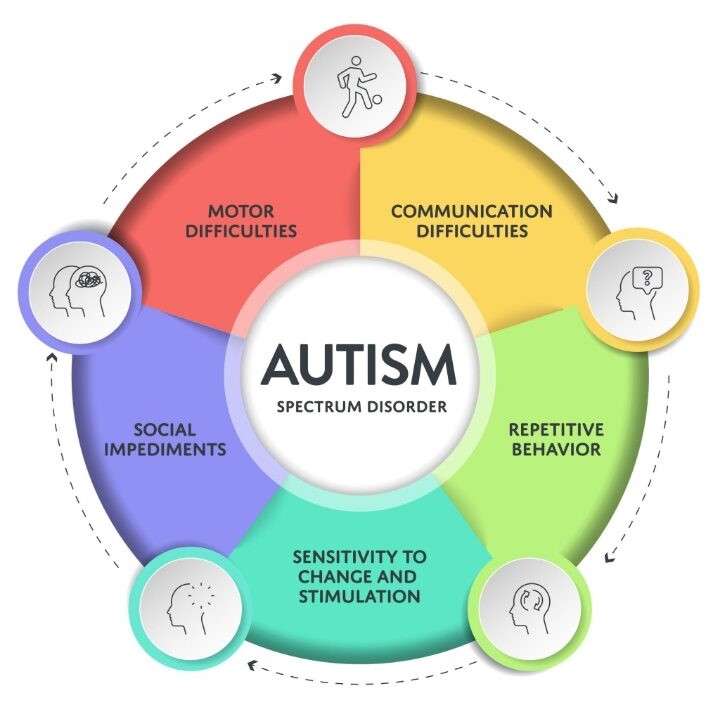
In today’s world, the understanding of mental health has evolved significantly over time. Yet one of the most important and widely misunderstood conditions remains Autism Spectrum Disorder (ASD). Although the term is often treated like other illnesses, autism is not a disease that requires a cure. It is a different way in which the brain develops and experiences the world.
Autism affects the nervous system and early brain development. It is not something that appears after birth; rather, it is a condition a child is born with. Scientific evidence indicates that autism arises from a combination of genetic factors and changes during pregnancy that influence how brain cells connect and communicate. These differences shape how an individual processes information and interacts with their environment.
The autistic brain tends to process information in a highly detailed manner. While many people naturally focus on the broader picture, autistic individuals often notice fine details such as subtle sounds, patterns, and colors. This heightened sensitivity can sometimes become overwhelming, leading to sensory overload and moments of distress or confusion.
Autism in Somali Communities
Among Somali families, both in the diaspora and back home, autism presents unique social challenges. In diaspora communities, particularly in places like Minnesota and parts of Northern Europe, autism is sometimes informally referred to as a “diaspora condition.” Some studies have reported higher diagnosis rates among Somali children. These perceptions have contributed to fear, misunderstanding, and stigma, often pushing families into isolation as they try to avoid public scrutiny or judgment.
Within Somalia itself, the challenge is even more fundamental. Awareness remains limited, and autism is frequently misunderstood as spiritual possession, curses, or mental instability. As a result, many children are denied appropriate medical and developmental support, and instead are subjected to practices that are not grounded in science. The absence of specialized educational institutions and support systems further restricts opportunities for these children to develop their abilities and participate fully in society.
The impact on families is profound, with the greatest burden often falling on mothers. In many cases, they become the primary caregivers, navigating the emotional, physical, and financial demands of raising a child with autism. Unfortunately, there are situations where fathers withdraw from responsibility or leave altogether, compounding the challenges faced by the family. Caring for a child with autism requires sustained commitment, including ongoing therapy, structured care, and a deep level of patience and understanding.
Building a more inclusive and compassionate society begins with changing how autism is perceived. It is not a limitation that defines a child’s future, but rather a different way of thinking and experiencing the world. Many autistic children possess exceptional abilities, ranging from strong analytical thinking to remarkable memory and creativity. What they need is not to be changed, but to be understood, supported, and given the opportunity to thrive in environments that recognize their strengths.
Ultimately, World Autism Awareness Day should be more than a symbolic observance. It should serve as a moment of collective responsibility. Societies must confront stigma, invest in awareness, and provide meaningful support to families. Every child, regardless of their neurological differences, deserves acceptance, dignity, and the chance to reach their full potential.