
World Hepatitis Day 2026: Early Testing, Vaccination Key to Preventing Silent Killer
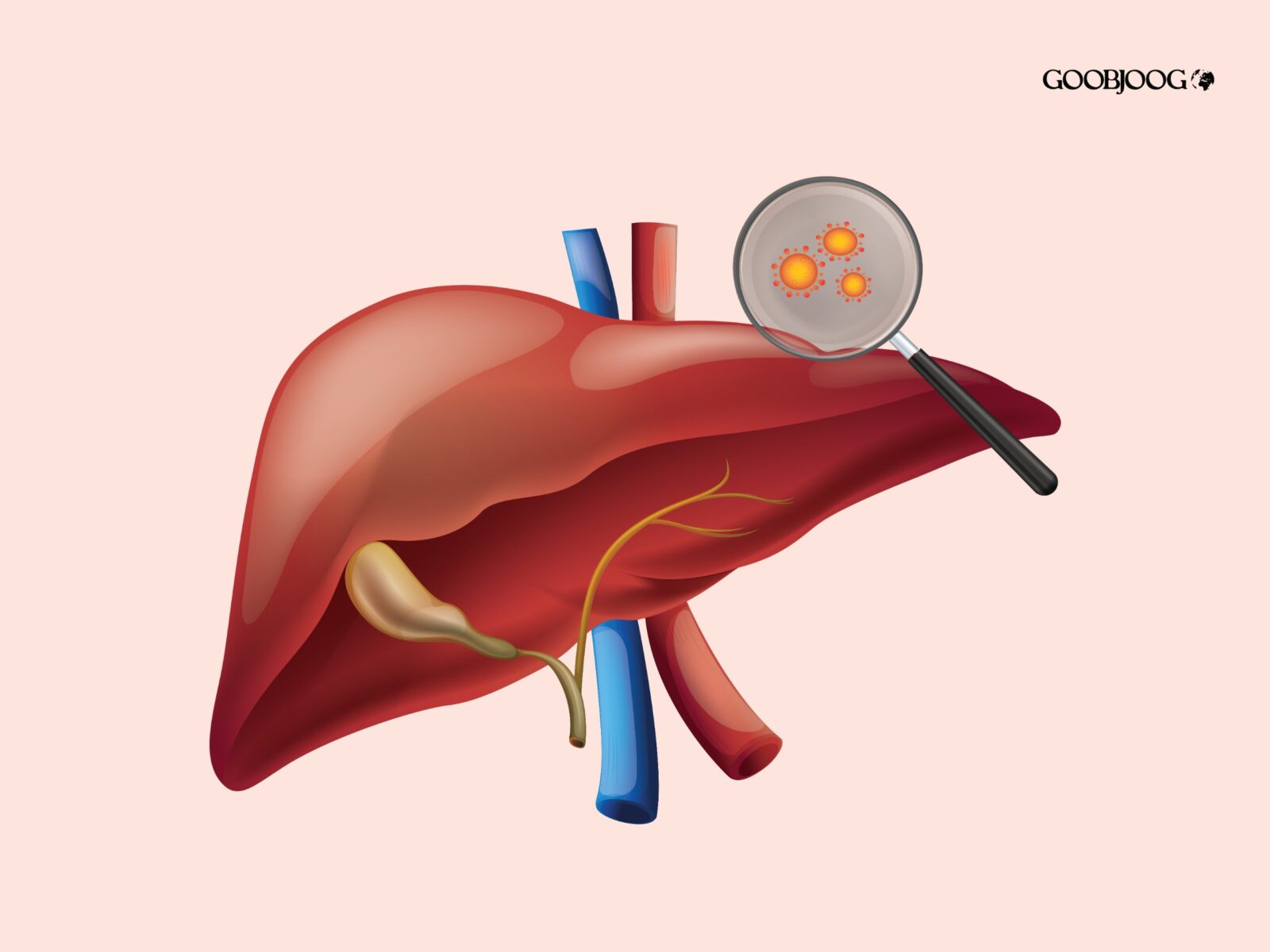
GOOBJOOG NEWS: The world is marking World Hepatitis Day on July 28 with renewed calls to expand access to testing, vaccination, treatment, and public awareness to combat viral hepatitis, a disease that continues to claim millions of lives globally.
This year’s theme, “Let’s Break Down Hepatitis Barriers,” highlights the need to remove obstacles that prevent people from accessing essential healthcare services, including screening, vaccines, treatment, and ongoing care.
World Hepatitis Day is observed every year on July 28 in honor of the birth of Nobel Prize-winning scientist Dr. Baruch Samuel Blumberg, who discovered the Hepatitis B virus and played a leading role in developing the vaccine against the disease.
Hepatitis is an inflammation of the liver caused by several viruses known as Hepatitis A, B, C, D, and E. Among these, Hepatitis B and C are considered the most dangerous because they can become chronic infections, potentially leading to liver cirrhosis and liver cancer if left untreated.
Common symptoms include yellowing of the skin and eyes (jaundice), fatigue, fever, nausea, vomiting, abdominal pain, and dark-colored urine. However, many infected people experience no symptoms for years, allowing the disease to progress unnoticed until serious complications develop.
According to the World Health Organization (WHO), hundreds of millions of people worldwide are living with chronic Hepatitis B or C infections, while millions have died from hepatitis-related complications over the years. The WHO says early diagnosis and timely treatment can significantly reduce deaths and improve health outcomes.
Health experts recommend that all infants receive the Hepatitis B vaccine, while people at higher risk should undergo regular screening. They also stress the importance of using sterile medical equipment, ensuring all donated blood is properly screened, and increasing public awareness to reduce stigma against people living with hepatitis.
The WHO says Somalia continues to face significant healthcare challenges, although no official nationwide data on the prevalence of hepatitis in the country has been released for 2026.
As World Hepatitis Day is observed around the globe, health authorities are urging governments, healthcare providers, and communities to strengthen prevention efforts and improve access to lifesaving services. The annual observance serves as a reminder that hepatitis is largely preventable, can often be detected early through testing, and, in many cases, can be effectively treated when healthcare is accessible.