
JSP Secretary General Odowaa Resigns, Dealing Blow to President Hassan Sheikh’s Political Standing
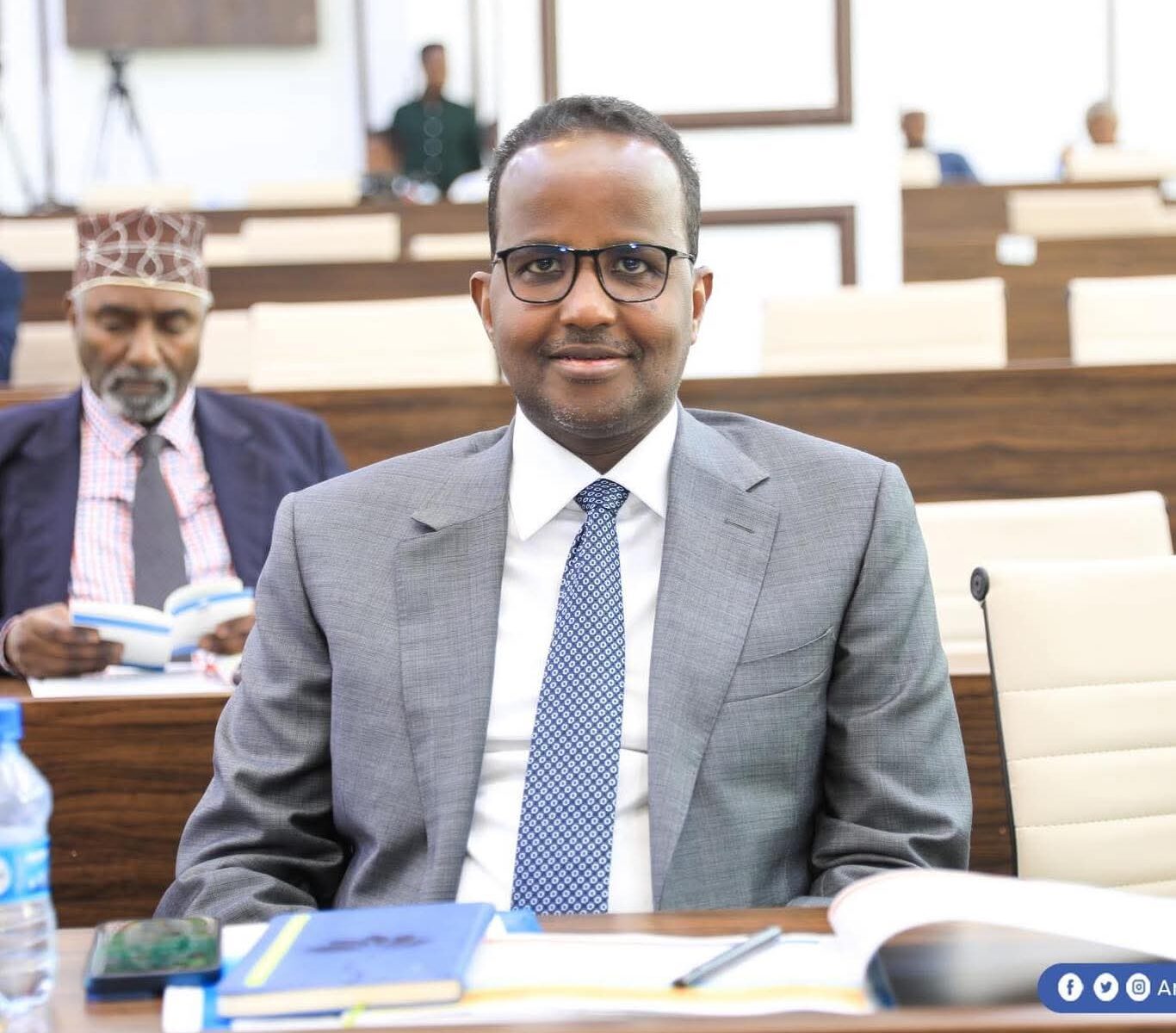
GOOBJOOG NEWS|MOGADISHU — A major political rift has emerged at the heart of Somalia’s ruling establishment following the resignation of Abdirahman Odowaa as Secretary General of the Justice and Unity Party (JSP), in a move that underscores growing divisions around President Hassan Sheikh Mohamud.
In a strongly worded statement issued on March 25, 2026, Odowaa announced he was stepping down from both his senior party role and membership, citing “deep and longstanding differences” with the president—his longtime ally.
A Break From The Inner Circle
Odowaa’s departure is particularly significant given his position within the JSP and his close association with President Mohamud. As Secretary General, he was a central figure in shaping the party’s direction and political strategy, making his exit a major blow to the party’s cohesion and the president’s re-election calculations.
His resignation lays bare internal dissent at the highest level of government, at a time when the president is already facing mounting opposition from political rivals and strained relations with key federal member states.
Key Points Of Dispute
In his statement, Odowaa outlined several critical areas of disagreement:
Centralization of Power: He accused the president of consolidating decision-making authority, sidelining dissenting voices, and failing to consult both his political team and state institutions.
Constitutional Amendments: Odowaa criticized the process used to pass recent constitutional changes, arguing it lacked consensus and risked undermining Somalia’s federal foundations, unity, and social cohesion.
Electoral Framework: He rejected what he described as a push by the president to impose an electoral system whose outcome could be controlled, instead advocating for a stakeholder-driven, consensus-based model to avoid instability.
Federal Member States: He opposed policies he said were aimed at weakening federal states, warning that such actions threaten the very structure of Somalia’s federal system.
Restrictions on Lawmakers: Odowaa condemned the reported blocking of a sitting Member of Parliament from traveling, calling it an unlawful act that violates parliamentary immunity and fundamental rights.
These grievances, he said, made it impossible to continue working politically with President Mohamud.
Wider Political Context
Odowaa’s resignation comes amid a broader pattern of political fractures surrounding the presidency.
Relations between Villa Somalia and key regional leaders have deteriorated in recent months, particularly with Abdiaziz Laftagareen of South West State. Disputes over administrative mandates, security control, and political authority have exposed tensions between the federal government and regional administrations.
At the same time, the president remains locked in an ongoing standoff with opposition figures who have consistently challenged his approach to governance, electoral reforms, and constitutional changes.
Constitution And Controversy
The resignation also follows the controversial passage of constitutional amendments—pushed through despite objections from opposition leaders and sections of the political class.
Critics argue that the process lacked inclusivity and consensus, raising fears that it could deepen divisions in a country still recovering from decades of conflict and fragile political settlements.
Concerns have also been growing over reported plans linked to extending the president’s term or reshaping the electoral timeline—an issue that has further heightened political tensions and mistrust.
Signs Of Political Isolation
Taken together, these developments point to what analysts describe as increasing political isolation for President Mohamud.
The loss of a key ally like Odowaa not only weakens internal party unity but also signals broader dissatisfaction within the president’s political base. Combined with friction with federal states and sustained opposition resistance, the resignation highlights a widening faultline that could reshape Somalia’s political landscape ahead of future elections.
A New Political Direction
In his closing remarks, Odowaa indicated he would pursue a new political path, pledging to align with actors committed to Somali unity and shared national principles.
While he did not announce immediate next steps, his departure is expected to trigger realignments within Somalia’s political arena, as both allies and opponents of the president reposition themselves in an increasingly contested environment.