
Cabinet Removes Custodial Corps Chief Amid Deepening Rift With South West Leadership
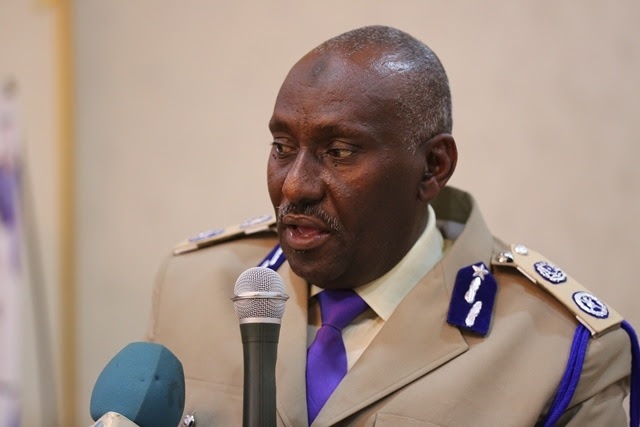
GOOBJOOG NEWS|MOGADISHU: The Federal Government of Somalia has removed the Commander of the Somali Custodial Corps, General Mahad Abdirahman Adan, in a move that underscores escalating political tensions between Villa Somalia and the South West State leadership.
The decision, approved during a regular meeting of the Council of Ministers, saw Major General Mohamed Sheikh Hassan Hamud appointed as the new head of the Custodial Corps, replacing General Mahad, who had held the position for a considerable period.
General Mahad’s removal carries significant political undertones. He is the father-in-law of South West State President Abdiaziz Hassan Mohamed (Laftagareen), a key regional leader whose relationship with the federal government has deteriorated in recent months.
While the government has not publicly linked the dismissal to political considerations, the timing of the decision strongly suggests otherwise. The fallout between Villa Somalia and the Baidoa-based administration has intensified over a series of disputes, including disagreements on electoral processes, security arrangements, and the extension of regional mandates.
Analysts say the removal of a senior security official closely tied to Laftagareen signals a shift in the federal government’s approach, moving beyond political pressure into institutional restructuring.
The development points to a broader strategy to recalibrate influence within the security sector, particularly targeting figures perceived to be aligned with rival political camps.
The appointment of Major General Hamud, a former Police Commissioner with extensive experience in national security, appears aimed at consolidating federal control over key security institutions. His return to a top command role comes at a time when the government is tightening its grip amid growing political fragmentation.
General Mahad’s exit is likely to further strain relations between Mogadishu and Baidoa, especially as South West State remains a critical player in Somalia’s fragile federal structure.
The development fits into a wider pattern of changes within Somalia’s security architecture, where leadership shifts increasingly mirror the country’s complex and often volatile political alliances.
As tensions persist, the reshuffling of senior security positions may continue to serve both administrative and strategic political purposes, with implications for stability and governance across the federal member states.