
July 1: The Day That Forged a Nation – Remembering Somalia’s Journey to Independence and Unity
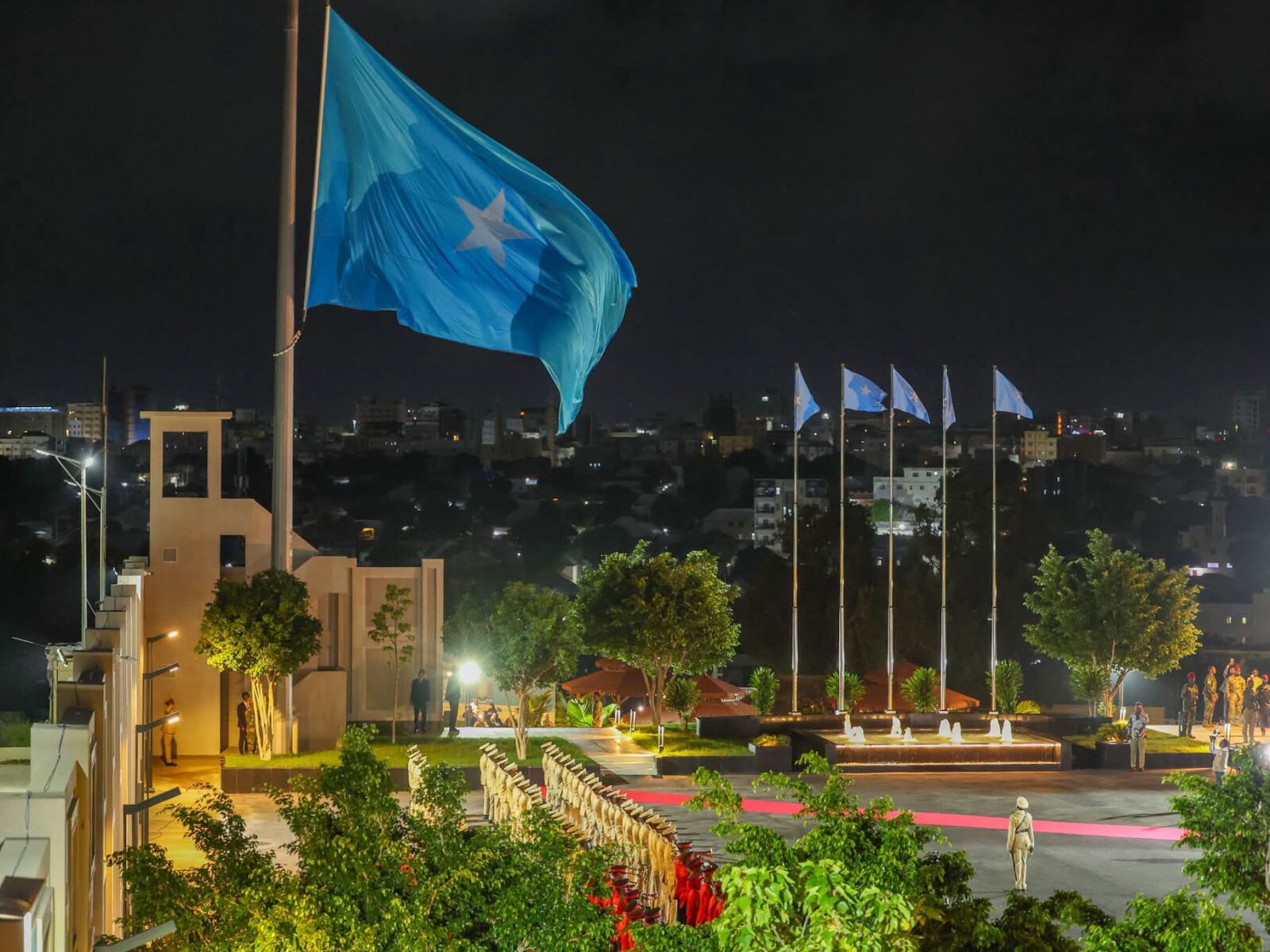
GOOBJOOG NEWS|MOGADISHU: Every year on July 1, Somalis around the world pause to commemorate a defining moment in their nation’s history. The date marks not only the independence of southern Somalia from Italian colonial rule but also the historic union of the northern and southern territories in 1960 to form the Somali Republic.
Sixty-six years later, the anniversary remains more than a national holiday. It is a reminder of generations who resisted colonial domination, championed self-determination, and envisioned a united Somali nation built on freedom, dignity, and shared identity.
A Long Road to Freedom
Somalia’s struggle for independence did not begin in 1960. Its roots stretch back to the late nineteenth century, when colonial powers competed for influence across the Horn of Africa.
Among the earliest and most enduring symbols of resistance was the Dervish movement led by Sayyid Mohamed Abdulle Hassan. From the turn of the twentieth century until 1920, the Dervishes waged a determined campaign against British, Italian, and Ethiopian forces.
Operating from fortified centers such as Taleh, the movement demonstrated an extraordinary commitment to Somali sovereignty. Although British aerial bombardments eventually brought the Dervish campaign to an end in 1920, its legacy endured, inspiring future generations to continue the struggle through political rather than military means.
From Armed Resistance to Political Mobilization
By the 1940s, the quest for independence had entered a new phase.
On May 15, 1943, a group of thirteen young Somali nationalists founded the Somali Youth Club in Mogadishu. The organization later became known as the Somali Youth League (SYL), the movement that would spearhead Somalia’s peaceful campaign for self-rule.
The SYL united Somalis across clan and regional lines, promoting nationalism, civic participation, and the dream of one Somali nation. Through public meetings, political organizing, and advocacy, the movement transformed the independence struggle into a nationwide cause.
A Nation’s Sacrifice
The road to independence demanded courage and sacrifice.
One of the defining moments came on January 11, 1948, when thousands of Somalis gathered in Mogadishu during the visit of a United Nations Commission tasked with determining the country’s political future.
The demonstrations ended in violence, claiming numerous lives and leaving many others injured. Among those who lost their lives was Hawo Tako, whose name has since become synonymous with courage, patriotism, and the sacrifices made in pursuit of Somali independence.
Her memory continues to occupy a special place in Somalia’s national consciousness.
Preparing for Independence
Following the end of the Second World War, Somalia’s future became the subject of international debate.
On November 21, 1949, the United Nations General Assembly approved a ten-year trusteeship placing southern Somalia under Italian administration, supervised by the United Nations. The arrangement was designed to prepare the territory for full independence through institution-building, education, and administrative development.
Italy formally assumed responsibility in April 1950, beginning the final decade before independence.
A Flag for a Future Nation
As Somalia moved steadily toward self-rule, the need for national symbols became increasingly important.
On October 12, 1954, the Somali flag was officially raised for the first time. Designed by Mohamed Awale Liban, the blue flag bearing a single white five-pointed star quickly became the most recognizable emblem of Somali unity.
The five points of the star came to symbolize Somali-inhabited territories across the Horn of Africa, reflecting the widespread aspiration for unity among Somali people.
Two Paths Converge
The final chapter unfolded rapidly in 1960.
On April 6, the Legislative Council of British Somaliland voted in favor of independence and union with the south. Independence from Britain followed on June 26, 1960, sparking celebrations across Hargeisa and other towns.
Just four days later, on July 1, the Trust Territory of Somalia achieved independence from Italy.
On that historic day, the two newly independent territories voluntarily united to establish the Somali Republic—a moment widely celebrated as the realization of a shared national dream.
Building a New Republic
With independence secured, Somalia quickly established its first democratic institutions.
The newly constituted parliament elected Aden Abdulle Osman, popularly known as Aden Adde, as the country’s first President.
A few weeks later, on July 22, President Aden Adde appointed Abdirashid Ali Shermarke as Somalia’s first Prime Minister, laying the foundations for the country’s first civilian government.
The early years of independence were marked by optimism and a strong belief that Somalis could build a democratic, prosperous, and united nation.
The Enduring Meaning of July 1
More than six decades after independence, Somalia has experienced periods of conflict, state collapse, reconstruction, and political transformation.
Yet July 1 continues to occupy a unique place in the national calendar.
It is a day that transcends politics—a moment to reflect on the sacrifices of freedom fighters, the vision of the country’s founding leaders, and the enduring ideals of unity and nationhood.
For many Somalis, the anniversary also serves as a reminder that independence is not merely an event recorded in history books. It is an ongoing responsibility requiring peace, accountable leadership, reconciliation, and a renewed commitment to building institutions capable of serving all citizens.
As Somalia marks the 66th anniversary of its independence and unification, the legacy of July 1 continues to inspire hope that the aspirations of those who fought for freedom can still guide the country’s future.
The blue flag first raised more than seventy years ago remains a powerful symbol—not only of a shared past but also of the promise of a stronger, more peaceful, and united Somalia.