
Somali Shilling Rejected for Third Day as Currency Crisis Deepens Across Markets
GOOBJOOG NEWS|MOGADISHU: The refusal by some traders in Mogadishu to accept the Somali Shilling has entered its third consecutive day, with the situation worsening across key markets in the capital.
Information obtained by Goobjoog News indicates that large volumes of Somali Shilling notes are now circulating in the markets, largely driven by traders’ refusal to accept the currency and a growing loss of public confidence.
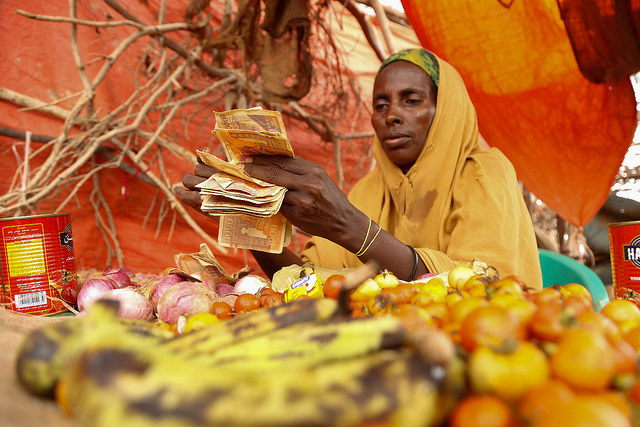
Residents have been seen carrying bundles of Somali Shillings but are unable to purchase basic goods, highlighting the severity of the crisis affecting everyday transactions.
Major markets including Bakara Market, Hamarweyne, and the Livestock Market remain among the most affected areas, although a limited number of businesses continue to accept the currency on a restricted basis.
The situation is no longer confined to Mogadishu. Reports suggest the trend is spreading to other regions, particularly in South West State—especially Lower Shabelle—as well as in Hirshabelle, including the town of Jowhar, where traders have also begun rejecting the Somali Shilling.
Sources familiar with the situation attribute the crisis to a combination of factors, including declining confidence in the currency, rising inflation, and discrepancies in exchange rates. These conditions have made traders increasingly wary of potential financial losses.
The impact is being felt most acutely by low-income residents, who rely heavily on the Somali Shilling for daily transactions. Complaints over rising living costs and limited purchasing power are mounting.
Background
Somalia has long operated a dual-currency system, with the US dollar widely used alongside the Somali Shilling, particularly for large transactions and imports. Over the years, weak central monetary control, limited currency reform, and periodic inflationary pressures have undermined trust in the local currency.
Efforts by the Central Bank of Somalia to stabilize the currency—including plans for reform and tighter regulation—have faced delays and structural challenges, leaving the economy vulnerable to shocks such as the current crisis.
As of now, there has been no official statement from the Federal Government of Somalia outlining measures to address the unfolding situation. However, concerns are growing over the potential broader economic impact if the crisis persists.
Goobjoog News will continue to monitor developments and provide updates as more information becomes available.