
Somalia Pushes Groundwater Projects to Expand Access to Clean Water
GOOBJOOG NEWS | MOGADISHU: Somalia is moving to expand groundwater drilling across its federal states as the federal government seeks to improve access to reliable water supplies amid recurring droughts and growing pressure on the country’s limited water resources.
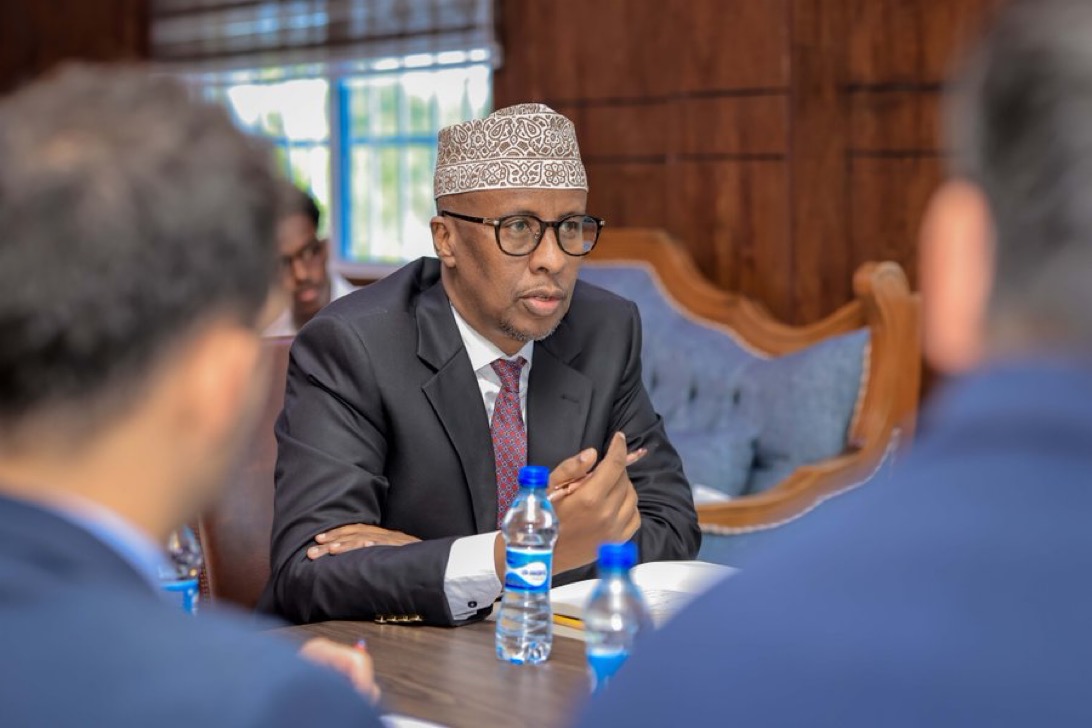
Minister of Energy and Water Resources Abdullahi Bidhaan Warsame has called for the completion of technical studies and engineering designs under the Groundwater for Resilience and Water Programme (GW4RP), paving the way for drilling new wells across the country.
The programme, supported by consultants from Hydro Nova and Terre Solidale, is intended to improve access to clean water for communities across all Federal Member States.
Warsame has urged the consultants to accelerate the remaining technical work to avoid delays in moving the project into its implementation phase.
Water scarcity remains a major challenge in Somalia, where successive droughts have depleted water sources, disrupted pastoral livelihoods and forced communities to travel longer distances in search of water. Rural populations, particularly pastoralist households, remain heavily dependent on boreholes and shallow wells for domestic use and livestock.
The country’s vulnerability is compounded by climate variability, limited water infrastructure and inadequate systems for storing and managing water during periods of prolonged drought.
Groundwater development is therefore a key part of efforts to strengthen water security and reduce communities’ dependence on increasingly unreliable seasonal water sources.
The GW4RP is expected to contribute to these efforts through the development of groundwater infrastructure, although the ministry has yet to announce a specific drilling timetable or the number of wells planned under the programme.
Accelerating the technical studies is expected to bring the project closer to the construction phase, as Somalia seeks longer-term solutions to recurring water shortages.