
Somalia Steps Up Preparations for Potential Super El Niño Impact
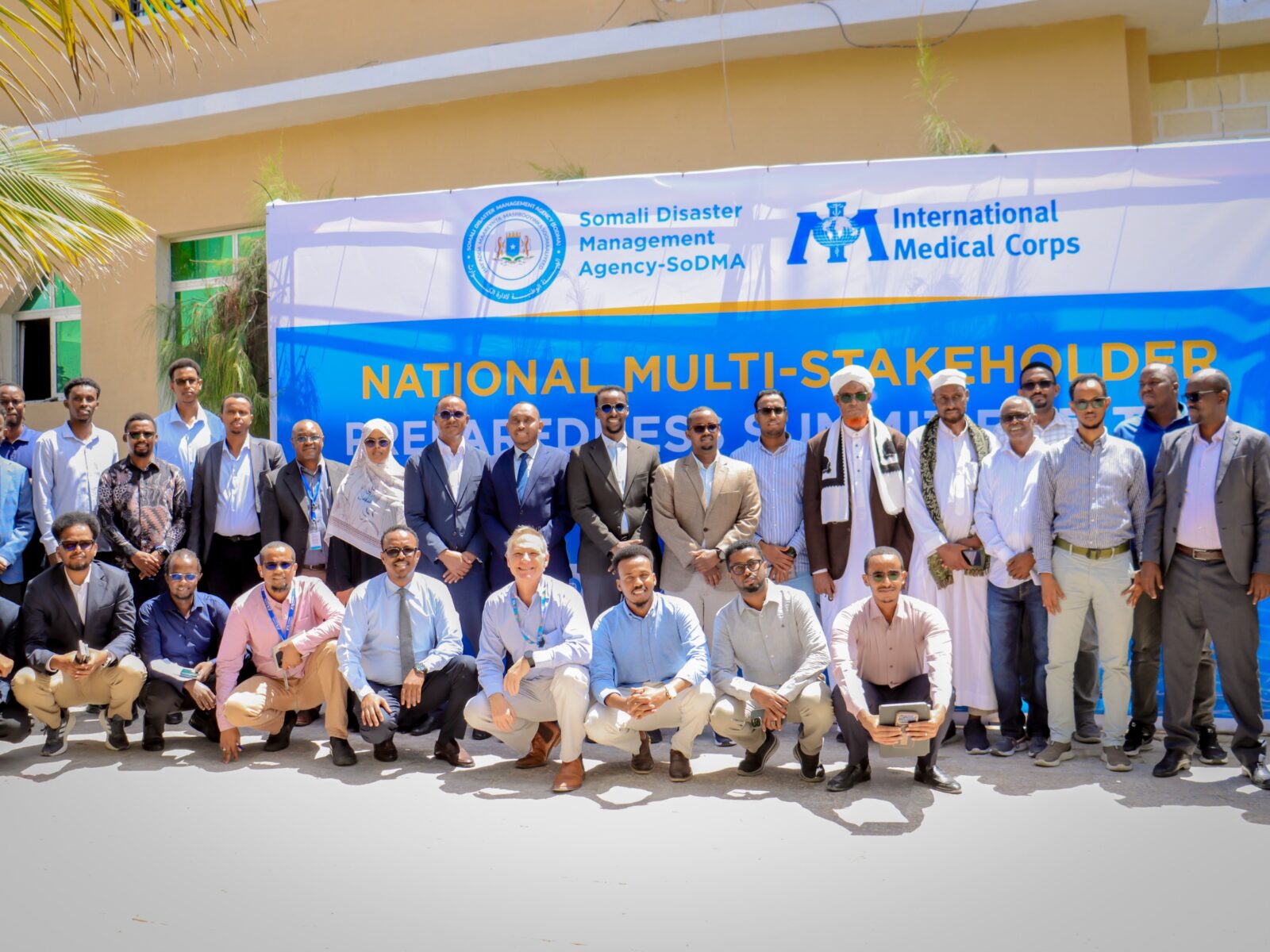
GOOBJOOG NEWS | MOGADISHU: The Federal Government of Somalia has stepped up preparations for the potential impact of a Super El Niño, bringing together federal and state authorities, humanitarian agencies, businesses and community representatives to strengthen the country’s response to possible heavy rains and flooding.
A national preparedness summit in Mogadishu brought together government ministries, the Office of the President, the private sector, religious scholars and international and local organisations to coordinate measures aimed at protecting vulnerable communities.
The discussions come as forecasts point to a high likelihood of unusually heavy rainfall, raising concerns about flooding in a country still recovering from several years of drought.
Federal authorities are seeking to ensure that government institutions and humanitarian partners are better prepared to respond before the onset of potentially severe weather, with particular attention to early warning, emergency response and support for communities exposed to flooding and other climate-related risks.
The government’s approach also reflects the need for closer coordination between the Federal Government and federal member states, whose authorities are often the first to respond when floods, drought or displacement affect local communities.
The potential impact of heavy rainfall is particularly concerning because Somalia enters the next rainy season with millions of people already facing food insecurity.
Recent humanitarian assessments indicate that around 6 million people, or 31% of Somalia’s population, are experiencing acute food insecurity, while an estimated 1.9 million children aged between six months and five years face acute malnutrition in 2026.
Years of poor rainfall have weakened household resilience, depleted livestock and left many rural communities with limited capacity to withstand another major climate shock.
Heavy rains could bring further complications. While rainfall is essential for restoring water sources, pasture and agricultural production, intense precipitation after prolonged drought can also increase the risk of flash floods, river flooding, damage to roads and displacement.
Somalia experienced the destructive combination of drought and heavy El Niño-related rains in late 2023, when floods affected large parts of the country, displaced more than a million people and caused more than 100 deaths.
The Federal Government is therefore seeking to strengthen preparedness ahead of the next major rainy season rather than waiting for emergencies to develop.
Religious leaders are being brought into the preparedness effort to help communicate early-warning and safety messages to communities, while engagement with businesses is aimed at ensuring that transport, markets and essential supply chains can continue operating during emergencies.
International partners are also being engaged to support government preparedness and response capacity, including cooperation on climate-related emergencies and humanitarian assistance.
For the Federal Government, the challenge is to prepare for a potentially severe weather event while continuing to address an existing food and humanitarian crisis.
The current preparations are intended to improve coordination between national and state authorities, strengthen early action and ensure that vulnerable communities can receive assistance more quickly if heavy rains and flooding materialise.