
Somalia’s Army Chief Meets Baraawe Residents, Inspects Navy and Coast Guard Base
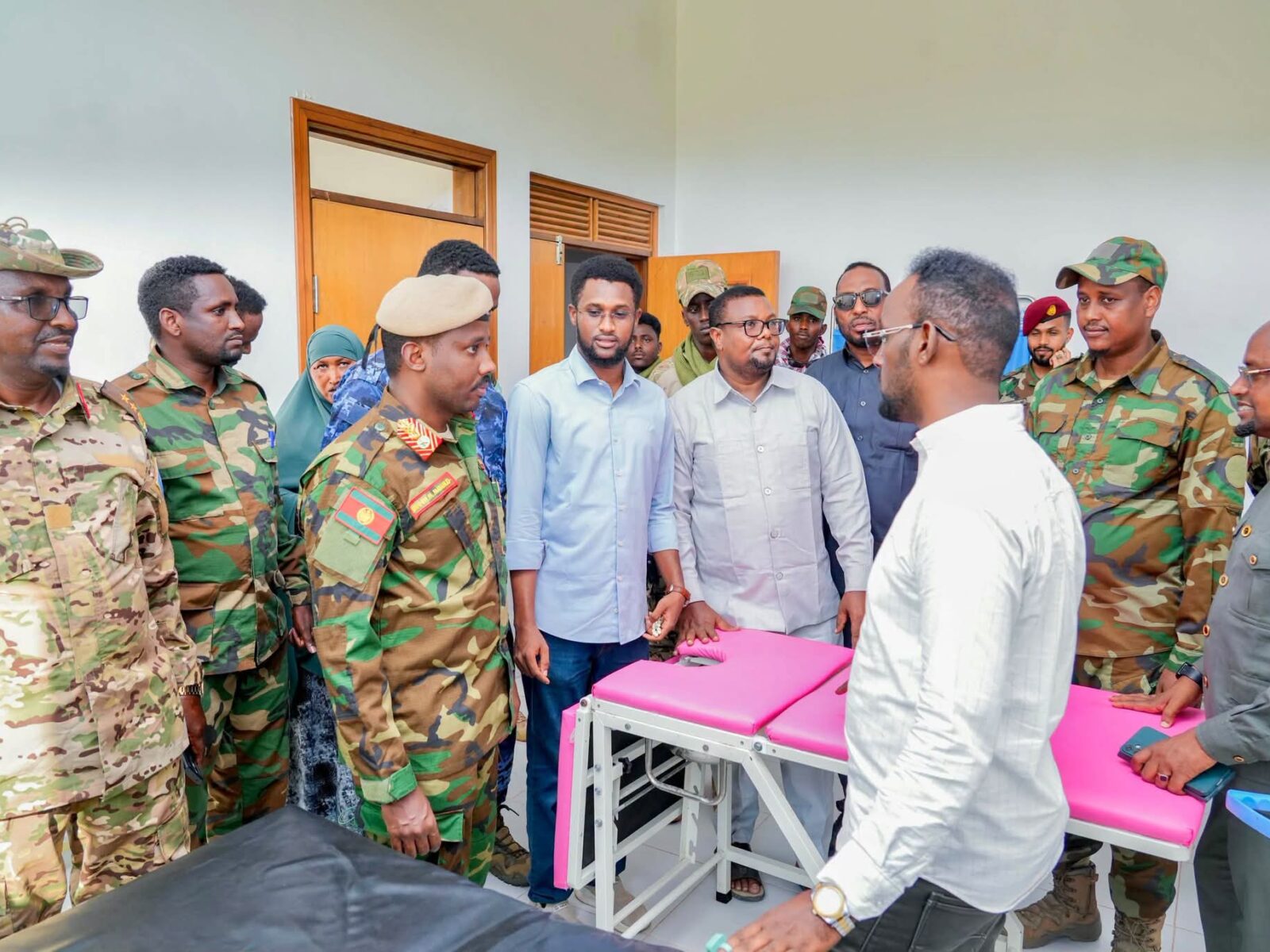
GOOBJOOG NEWS | BARAAWE: Somalia’s army chief, Major General Ibrahim Mohamed Mohamud, has visited the coastal town of Baraawe in Lower Shabelle region, inspecting key public institutions and meeting residents as the military leadership assesses security conditions and strengthens cooperation with local communities.
During the visit, Mohamud toured the town’s hospital, police station, regional administration headquarters, presidential compound and main market, accompanied by senior military officers and local officials.
He received briefings from officials on the security situation, public services and the operations of government institutions in the town.
The army chief also met representatives of different sections of the community, listening to their views, concerns and recommendations, particularly on security and the challenges affecting daily life in Baraawe.
He later visited a base hosting Somali Navy and Coast Guard personnel responsible for protecting the country’s coastline. There, he addressed military units and received reports from officers on their duties and maritime security operations.
Mohamud commended the personnel for their role in protecting Somalia’s territorial waters, defending the country and safeguarding civilians.
The visit is part of the Somali National Army command’s efforts to assess security conditions in different parts of the country and improve coordination between military forces, government authorities and local communities.
Baraawe, the administrative capital of South West State, is a strategically located coastal town in Lower Shabelle, a region where Somali forces continue to face security challenges posed by Al-Shabaab.
The army chief had also held security meetings in Baraawe earlier in the week with military officers, African Union personnel, traditional elders and local authorities to discuss security conditions and coordination in the area.
The latest visit brought together security assessments with engagement involving civilian institutions and residents, highlighting the military command’s focus on cooperation beyond frontline operations.