
Shabelle River Records 388 Flood Risk Sites, FAOSWALIM Says
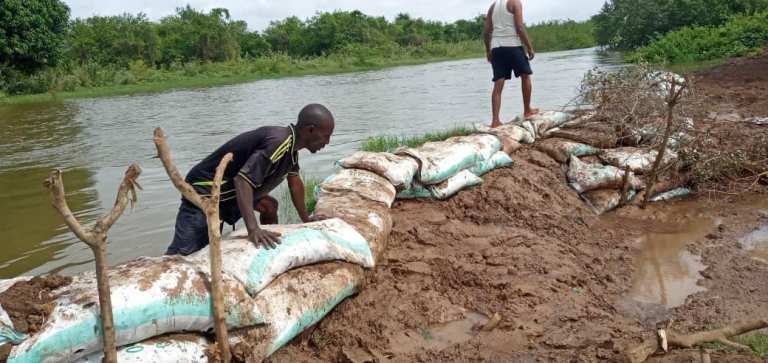
GOOBJOOG NEWS | MOGADISHU: Somalia’s Shabelle River has recorded 388 locations affected by flooding, open river sections or blockages, according to new data released by FAOSWALIM for August 2026, highlighting continued concerns over flood risks along one of the country’s main waterways.
The data showed that water had breached riverbanks at 150 locations, while 147 sections were classified as open. A further 66 locations were affected by flooding of irrigation canals, while 25 sections were identified as blocked.
FAOSWALIM said the assessment focused on areas considered particularly vulnerable to flooding and was intended to support early preparedness and allow authorities and communities to take preventive action before floodwaters cause wider damage.
The latest assessment comes as Somalia prepares for potentially heightened climate-related risks associated with the expected effects of El Niño, which could bring heavier rainfall and increase the threat of flooding in vulnerable areas.
The Shabelle River is particularly important to Somalia’s food security and agriculture, supporting farming communities and irrigation systems across parts of the country. At the same time, seasonal rises in river levels can threaten settlements, farmland and infrastructure when riverbanks or canals are unable to contain the flow.
FAOSWALIM said expanding monitoring to additional locations would depend on the availability of sufficient resources, with the aim of building a more comprehensive picture of river conditions and identifying areas facing the greatest flood risks.
The organisation’s latest findings underline the importance of early-warning systems and preventive measures as Somalia enters a period of heightened concern over extreme weather.
For communities living along the Shabelle, timely information on rising water levels, breached riverbanks and blocked waterways could help authorities coordinate evacuations, protect farmland and infrastructure and reduce the humanitarian impact of flooding.
The new data therefore provides an early snapshot of conditions along the river while underscoring the need for continued monitoring as Somalia prepares for possible changes in rainfall patterns in the months ahead.