
Top AFRICOM Commander Defends Somalia Airstrikes, Acknowledges Past Civilian Harm
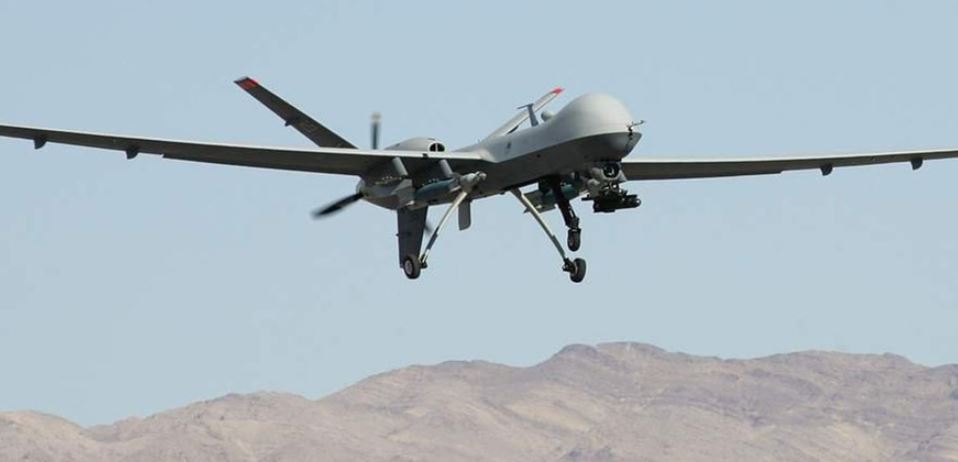
GOOBJOOG NEWS|MOGADISHU: The commander of U.S. Africa Command said American forces take extensive precautions to avoid civilian casualties in Somalia and investigate credible allegations of harm, while acknowledging that U.S. strikes have killed civilians in the past.
In an interview with local media in Mogadishu, Gen. Dagvin Anderson addressed concerns about the air campaign against Al-Shabaab and the Islamic State’s Somalia affiliate, which has continued at a steady pace through this year, including strikes in the Golis Mountains in the country’s north and against Al-Shabaab positions further south.
“We take great effort with our intelligence, our targeting, and our understanding to avoid harm to civilians,” Anderson said. “Any credible instance, we will investigate. There have been times when we have made mistakes, and we have provided reparations.”
The record on the ground is harder to pin down than that assurance suggests. AFRICOM’s own public tally for strikes carried out in 2025 recorded no civilian deaths in any of them, according to a review by the research group New America. Independent monitors have documented a different picture. Airwars, which tracks civilian harm from international military operations, has recorded incidents including a strike or ground operation near Jamaame in southern Somalia last November that reportedly killed at least 21 people, among them children and an elderly man, and a September strike outside Badhan that reportedly killed a local village chief whom AFRICOM described only as an Al-Shabaab weapons dealer without confirming his identity or death. AFRICOM has disputed or left unresolved several such cases, and the command’s quarterly civilian harm reports show a limited number of allegations formally substantiated.
Anderson did not address specific incidents in the interview, but he pushed back on the broader narrative that American strikes are a leading source of civilian harm in the conflict. He argued that the toll from Al-Shabaab and the Islamic State dwarfs anything caused by U.S. operations. “Where are the civilian casualties coming from here? And how many civilian casualties has Al-Shabaab created or ISIS? It’s thousands,” he said, adding that the group’s damage should also be measured in the development and stability it has prevented, not only in the people it has killed.
He also cautioned that Al-Shabaab has an incentive to exaggerate or fabricate claims of civilian harm as part of its propaganda, saying the group does so “almost every single time,” and that AFRICOM tries to establish the credibility of a claim before opening a formal review.
Civilian casualty allegations have long been among the most sensitive aspects of the American campaign in Somalia. Rights groups and local communities have periodically questioned whether investigations into strikes are transparent enough and whether victims and their families receive meaningful compensation when harm is confirmed. Anderson’s acknowledgment that mistakes have happened, even in general terms, marked a notable moment in a conflict where civilian protection remains a central test of credibility for every side involved, the Somali government and Al-Shabaab included.
For communities living near the front lines, the distinction between military necessity and civilian safety is not an abstract one. It is measured in whether operations against militants can be carried out without adding to the losses of families who have already lived through decades of war, displacement and, in recent years, renewed fighting as Al-Shabaab has regrouped in areas once cleared by Somali and American backed forces.
Anderson said the United States would continue to examine credible reports of civilian harm as the air campaign continues, underscoring that accountability.