
Traders in Mogadishu Reject Somali Shilling as Currency Pressures Intensify
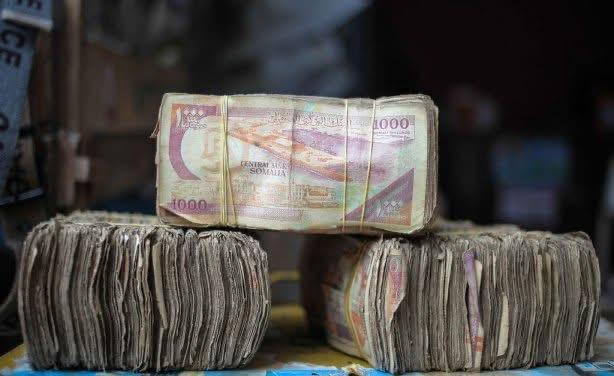
GOOBJOOG NEWS|MOGADISHU: A number of traders in key markets across the capital have begun refusing to accept the Somali Shilling, underscoring mounting pressure on the national currency and renewed instability in local markets.
Goobjoog News has obtained information indicating that the development has been observed in major commercial hubs including Bakara Market, Hamarweyne Market, and the Livestock Market. While the rejection is not uniform across all businesses, several traders have clearly declined to transact in the local currency, opting instead for more stable alternatives.
Sources familiar with market dynamics attribute the move to the continued decline in the value of the Somali Shilling, coupled with rising inflation that is eroding purchasing power. Traders, seeking to hedge against losses, are increasingly relying on foreign currencies—particularly the US dollar—which already dominates high-value transactions and is widely used in mobile money platforms across Somalia.
According to indicative rates published by the Central Bank of Somalia, the Somali Shilling is officially trading at approximately 30,000 to 32,000 SOS per US dollar (buying) and 31,000 to 33,000 SOS per US dollar (selling). However, these official rates differ significantly from those used in everyday transactions, highlighting the disconnect between formal monetary policy and market realities.
This is not the first time such a trend has emerged. Somalia has previously experienced similar episodes where confidence in the Somali Shilling weakened, prompting sections of the business community to temporarily abandon it in favor of the US dollar. These cycles have often coincided with periods of inflationary pressure and limited monetary intervention.
The latest developments are likely to disproportionately affect low-income populations, many of whom depend on the Somali Shilling for daily transactions and lack access to dollar-based financial services. The shift risks widening economic inequalities and complicating routine market activities.
In recent years, the Federal Government of Somalia had announced plans to introduce newly printed Somali Shilling notes as part of broader monetary reforms aimed at stabilizing the currency and restoring public confidence. However, the rollout of these new notes has yet to materialize, raising questions about the pace and effectiveness of ongoing reforms.
As of now, there has been no official statement from the government addressing the current situation.
Economic observers warn that if the trend persists, it could further undermine market stability and disrupt everyday commerce in the capital.
Goobjoog will continue to track developments and provide updates as more information becomes available.