
Turkey’s Somalia Spaceport Plans Signal New Phase in Strategic Partnership
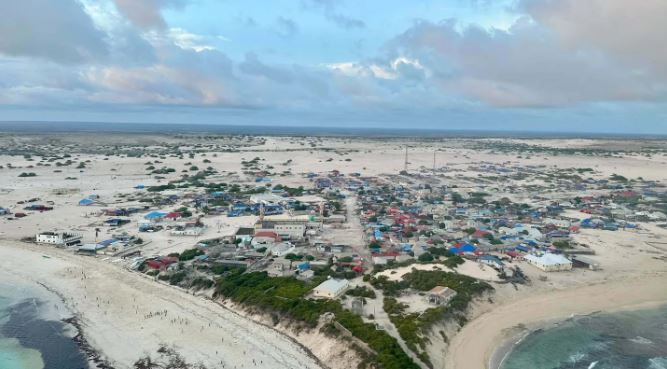
GOOBJOOG NEWS | MOGADISHU: Turkey is building a spaceport in Somalia as Ankara seeks independent access to space, opening a new chapter in a partnership that has expanded from security and infrastructure into advanced technology.
The facility, planned near the equator in Somalia, is intended to launch Turkish rockets and satellites and eventually serve international customers, according to Turkish officials. The project could give Ankara a strategic launch base while offering Somalia potential investment, employment and technical opportunities.
Turkish Industry and Technology Minister Mehmet Fatih Kacır outlined the plans recently at the International Astronautical Congress in Antalya, saying the country was building a launch facility on a large area allocated to Turkey in Somalia. President Recep Tayyip Erdoğan had earlier confirmed that construction was under way.
The project forms part of Turkey’s national space programme, which aims to reduce its reliance on foreign launch infrastructure and develop domestic capabilities for sending satellites into orbit.
Somalia’s location is central to the plan. Warsheikh, in the Middle Shabelle region, lies close to the equator, where the Earth’s rotation can provide rockets with additional velocity during launches eastward. This can reduce the energy required to place satellites into certain orbits.
Kacır has said launches from an equatorial site could cost about 30 percent less than comparable operations from Turkey, although the figure is a government estimate rather than an independently verified assessment.
Ankara is targeting the launch of a 400-kilogram satellite into an orbit about 550 kilometres above Earth by the end of 2027 using its domestically developed Şimşek-1 rocket. Turkish officials have not publicly confirmed that this particular mission will launch from Somalia.
The proposed spaceport could eventually generate revenue for Somalia through land-use arrangements and commercial launch services, while creating opportunities for local engineers and technicians to gain experience in aerospace technologies.
However, the scale of those benefits will depend on the agreement governing the project. The two governments have not publicly detailed the financial arrangements, the distribution of future revenue or the extent of Somali participation in the facility’s operations.
The project also carries significant technical and logistical demands, including launch safety, environmental protection, security and the regulation of rocket operations.
Turkey has developed close ties with Somalia over the past decade, expanding its involvement in military training, humanitarian assistance, infrastructure and energy exploration. The spaceport would extend that relationship into an industry dominated by a relatively small number of countries with established launch capabilities.
The facility is intended to strengthen strategic autonomy in space and potentially create a foothold for Ankara in the international satellite-launch market. For Mogadishu, it presents an opportunity to attract investment and develop technical capacity, although the economic returns remain uncertain.
The project’s significance will ultimately depend on whether the proposed facility becomes operational, attracts commercial customers and delivers tangible benefits to Somalia beyond hosting the infrastructure.