
Why Green Jobs Are Africa’s Bridge Between Climate Adaptation and A Just Transition
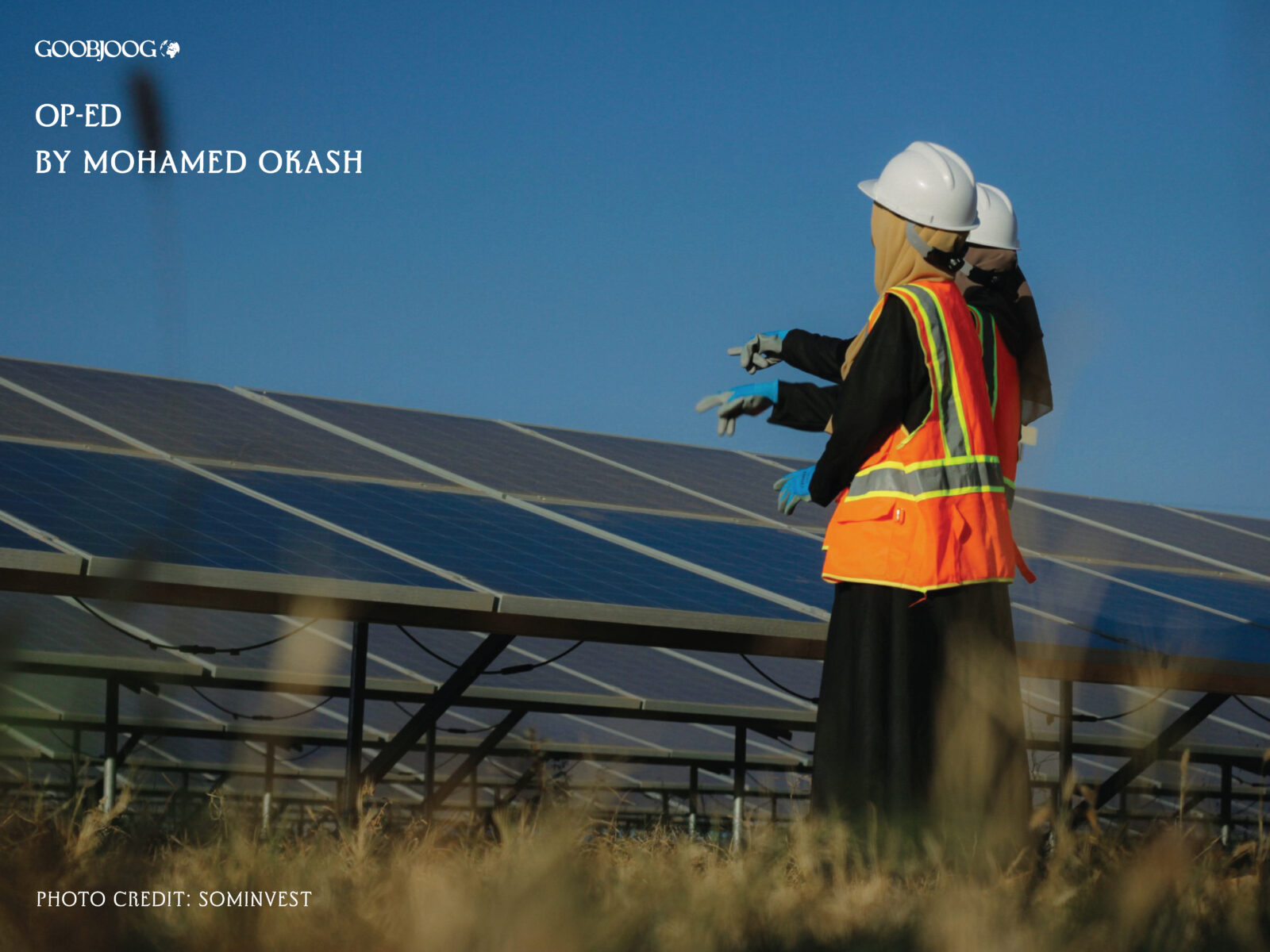
Africa’s green transition will not succeed through clean energy investments alone. It requires ecosystems that connect universities, social entrepreneurs, finance and policy to create green jobs, strengthen climate resilience and drive inclusive economic transformation.
Africa can no longer afford to treat unemployment and climate change as separate crises. The same investments that protect communities from droughts, floods, food insecurity and energy insecurity can also create the decent jobs the continent urgently needs. At a time when climate shocks are intensifying, Africa has the world’s youngest population, and development finance is becoming increasingly constrained, the continent needs investments that solve multiple challenges at once.
Green jobs offer one of the clearest opportunities to do so. The scale of the challenge is undeniable. Around 10–12 million young Africans enter the labour market every year, yet only about three million formal jobs are created annually, leaving millions searching for productive livelihoods. At the same time, although Africa has contributed less than 4% of historical global greenhouse gas emissions, it remains one of the regions most vulnerable to climate change. Droughts, floods, water scarcity and declining agricultural productivity are already undermining livelihoods, infrastructure and economic growth.
These challenges are usually addressed through separate policy agendas. Labour policies focus on employment, skills and industrialisation. Climate policies focus on adaptation and emissions reduction. But Africa’s reality demands a different approach. Climate vulnerability increasingly translates into lost jobs, declining farm productivity and weaker local economies, while employment strategies that ignore climate risks are unlikely to produce lasting prosperity.
The International Labour Organization (ILO) Green Jobs Programme defines green jobs as decent work that contributes to preserving or restoring the environment while supporting sustainable enterprises and economies. In Africa, however, their significance extends even further. Green jobs are not simply environmental jobs; they are adaptation jobs. They help communities manage water resources, invest nature-based solution, restore degraded landscapes, expand renewable energy, strengthen food systems and build resilience to future climate shocks while generating income and creating opportunities for millions of young people.
Evidence from across the continent already demonstrates this dual dividend. South Africa’s Working for Water programme has created approximately 20,000 jobs while restoring over one million hectares of degraded ecosystems. Rwanda’s Green Gicumbi initiative has generated more than 26,500 green jobs through watershed restoration and climate-resilient agriculture, while Nigeria’s solar electrification programmes have expanded electricity access to more than 5.5 million people and created over 5,000 local jobs. Meanwhile, FSD Africa estimates that supportive investments could create between 1.5 and 3.3 million direct green jobs by 2030.
But where do green jobs actually come from?
Policy debates often assume they will emerge naturally as countries invest in renewable energy or adopt greener policies. They rarely do. Green jobs are the outcome of ecosystems that connect education, research, innovation, entrepreneurship, finance, markets and public policy. Without skilled workers, businesses cannot expand. Without entrepreneurs, innovation remains trapped in laboratories. Without finance, promising enterprises fail to start or scale. Without supportive institutions, markets for green products and services remain underdeveloped.
Drawing on evidence from labour-market research, climate adaptation studies and practical experience across Africa, I describe this as Africa’s Green Transition Ecosystem—a framework that explains how these interconnected investments generate green jobs capable of supporting climate adaptation, a just transition and long-term economic transformation.
Two recent interventions show that you can connect such ecosystem to create jobs, reduce vulnerability, build adaptive capacity and protect environment.
First, the Renewable Energy Advancement for Inclusive Development (READ) project, funded through the European Union’s Erasmus+ programme, demonstrates the supply side of the transition. By modernising renewable energy curricula, strengthening university capacity, promoting applied research and improving university-industry collaboration, READ equips universities to produce the engineers, technicians, researchers and innovators required for Africa’s renewable energy future. Rather than creating jobs directly, it strengthens the human capital from which future green industries grow.
Second, the Green RISE Africa programme, implemented by Acumen in partnership with the Mastercard Foundation across fifteen African countries, demonstrates the demand side. By supporting young social entrepreneurs through leadership development, enterprise acceleration, access to finance and market opportunities, it helps climate-positive enterprises scale in sectors such as clean energy, climate-smart agriculture and the circular economy. These enterprises, in turn, create dignified work while delivering climate solutions. Such initiatives illustrate an important lesson. READ prepares the workforce. Green RISE prepares the enterprises; they show that green jobs are not created by isolated projects—they emerge from connected ecosystems.
This insight also explains why Africa’s green transition differs from that of many advanced economies. In Europe, the transition is often measured by emissions reductions and progress towards net-zero targets. Those goals remain essential. But for Africa, the transition must also be judged by whether it creates jobs, strengthens resilience, improves food and water security and expands opportunities for a rapidly growing young population. According to the UNEP Adaptation Gap Report, Africa faces one of the world’s largest adaptation financing gaps, making investments that deliver multiple development outcomes increasingly valuable.
To be sure, green jobs alone will not solve Africa’s employment crisis. The continent still needs industrialisation, competitive private sectors, infrastructure investment and broader structural reforms. Nor will every climate investment automatically generate lasting or high-quality employment.
But Africa can no longer afford investments that solve only one problem at a time. Governments should integrate employment objectives into climate adaptation strategies. Universities should become engines of green skills, research and innovation. Development partners should invest not only in climate projects but also in the education systems, entrepreneurs and enterprises that sustain them. Climate finance should increasingly be viewed as productive investment capable of generating multiple returns: jobs, resilience, enterprise growth and long-term prosperity.
Africa’s green transition will not ultimately be judged by the number of renewable energy projects it launches or the climate finance it mobilises. It will be judged by whether it creates millions of resilient livelihoods, protected natural ecosystems and build adaptive capacities. Green jobs are the bridge between climate adaptation and a just transition, but Africa’s Green Transition Ecosystem is the foundation that makes that bridge possible.
Mohamed Okash is the Founding Director of the Institute of Climate and Environment at SIMAD University and a Public Voices Fellow Tackling Poverty, a partnership of Acumen and The OpEd Project. He is also a member of the World Economic Forum’s Global Future Council on Climate and Nature Governance.