
A Partnership That Rebuilt Hope: Why the Somalia–Turkey Alliance Matters
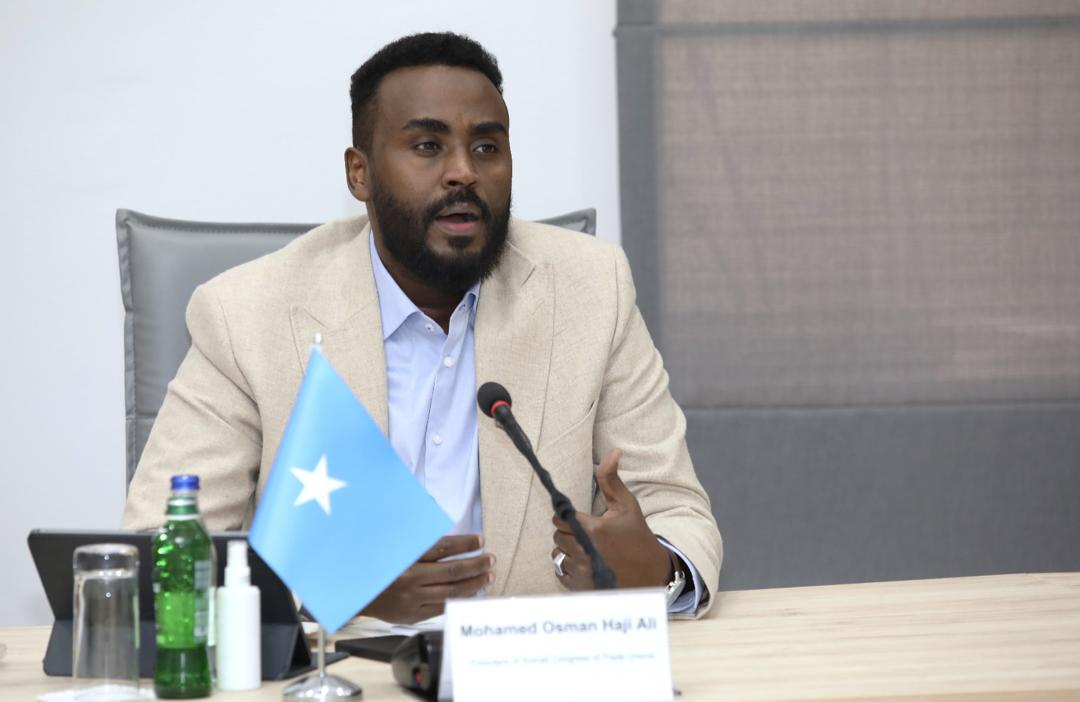
By Mohamed Osman Haji
The Somalia–Turkey relationship has grown into one of the most influential and multidimensional partnerships in the Horn of Africa. It is not simply a diplomatic alignment, but a long-term engagement shaped by humanitarian solidarity, state-building support, and expanding strategic cooperation.
What makes this partnership distinctive is its origin. It began during one of Somalia’s darkest periods and gradually evolved into a sustained collaboration across governance, security, infrastructure, education, health, and emerging sectors such as energy and technology.
A Defining Moment in 2011
A major turning point came in August 2011, when Turkish leader Recep Tayyip Erdoğan then Prime Minister visited Mogadishu during a severe famine and ongoing insecurity.At a time when international attention on Somalia was limited, the visit carried strong symbolic and political weight. It signaled that Somalia remained part of the global community and marked the beginning of a new phase in bilateral relations.
From that moment, Turkey’s engagement shifted from short term humanitarian assistance to a structured, long term partnership focused on recovery and institutional rebuilding.
From Humanitarian Relief to State Building
Turkey’s initial involvement in Somalia centered on emergency relief, including food aid, medical support, and disaster response during the 2011 famine. Over time, this assistance expanded into broader development and institution building efforts.Healthcare cooperation became one of the most visible outcomes of this shift. The Recep Tayyip Erdoğan Training and Research Hospital in Mogadishu has become a major medical center, providing advanced healthcare services while also training Somali medical personnel.
Humanitarian operations led by organizations such as the Turkish Red Crescent have also played a consistent role in responding to droughts, floods, and displacement crises, strengthening emergency response systems in Somalia.
Education and Human Capital Development
Education has been a central pillar of the partnership. Turkey has supported Somali students through scholarship programs and contributed to the development of schools and vocational training institutions within Somalia.The Maarif Foundation has played a key role in establishing educational institutions aimed at expanding access to structured learning and improving educational quality.
These efforts reflect a long term approach focused on human capital development building the skills and knowledge base necessary for sustainable national recovery.
Infrastructure and Economic Connectivity
Turkey’s involvement in Somalia’s infrastructure development has significantly contributed to improving connectivity and economic activity, particularly in Mogadishu and surrounding regions.Key projects have included the rehabilitation of roads, port facilities, and airport infrastructure, carried out by Turkish companies and development institutions.
A major milestone in restoring international connectivity was the expansion of air travel links, including operations by Turkish Airlines, which reconnected Somalia to global trade routes, investment networks, and diaspora mobility.These developments have supported trade growth, improved logistics, and strengthened Somalia’s integration into regional and global systems.
Security Cooperation and Institutional Stability
Security cooperation is a cornerstone of the bilateral relationship. In 2017, Turkey established Camp Camp TURKSOM in Mogadishu, one of its largest overseas military training facilities.The base has trained thousands of Somali National Army personnel, focusing on professional military education, counterterrorism capacity, and institutional development.
Rather than direct intervention, the model emphasizes capacity building strengthening Somalia’s ability to manage its own security challenges and reinforce state authority.Expanding Strategic Cooperation: Energy and TechnologyIn recent years, Somalia–Turkey relations have expanded into new strategic sectors, including energy exploration and emerging technologies.
A key development has been cooperation in offshore oil and gas exploration. The Turkish state energy company Turkish Petroleum Corporation (TPAO) has been associated with seismic and exploration activities in Somalia’s offshore blocks under bilateral agreements.This cooperation reflects shared interests: Somalia’s potential resource development and Turkey’s growing global energy engagement strategy. However, these initiatives remain at an early stage and depend on regulatory frameworks, maritime stability, and transparent governance to achieve long term impact.
Another emerging area is satellite and space technology cooperation. Through the Turkish Space Agency, Turkey has developed advanced capabilities in satellite systems, Earth observation, and remote sensing.While Somalia does not yet operate a national space program, satellite based technologies already support areas such as mapping, communications, climate monitoring, and disaster response.
This represents a growing frontier of technical cooperation with potential long term benefits for development planning and resilience.
Civil Society and Labor Cooperation
Beyond state level engagement, civil society partnerships have strengthened social development efforts. A notable example is the cooperation between Somali Congress of Trade Unions(SOCOTU ) and HAK-IS Trade Union Confederation, which has supported institutional capacity building and worker advocacy.The construction of the SOCOTU headquarters in Mogadishu represents one of the most visible outcomes of this collaboration, providing a central platform for coordination, training, and labor organization.
These efforts highlight the importance of social infrastructure alongside political and economic development.
A Model of Long Term Cooperation
Today, Somalia–Turkey relations span multiple dimensions: diplomacy, development assistance, security cooperation, trade, education, energy, and emerging technologies. While challenges remain, the partnership is widely viewed as a notable example of sustained South–South cooperation.For Somalia, the relationship has contributed to gradual institutional recovery and improved access to essential services. For Turkey, it represents a long term foreign policy approach that combines humanitarian engagement with strategic regional presence.
Conclusion
The Somalia–Turkey partnership stands out because it is built on continuity rather than short term engagement. Its impact is visible in hospitals that treat patients, schools that educate children, military institutions that train soldiers, and emerging projects that aim to unlock future economic potential.
In an international environment often defined by transactional diplomacy, this relationship is characterized by long-term commitment and layered cooperation.It remains, fundamentally, a partnership that helped rebuild hope and continues to shape Somalia’s path toward stability, resilience, and development.