
Ambassador Abdulle Urges Diaspora to Support Disaster Preparedness Efforts
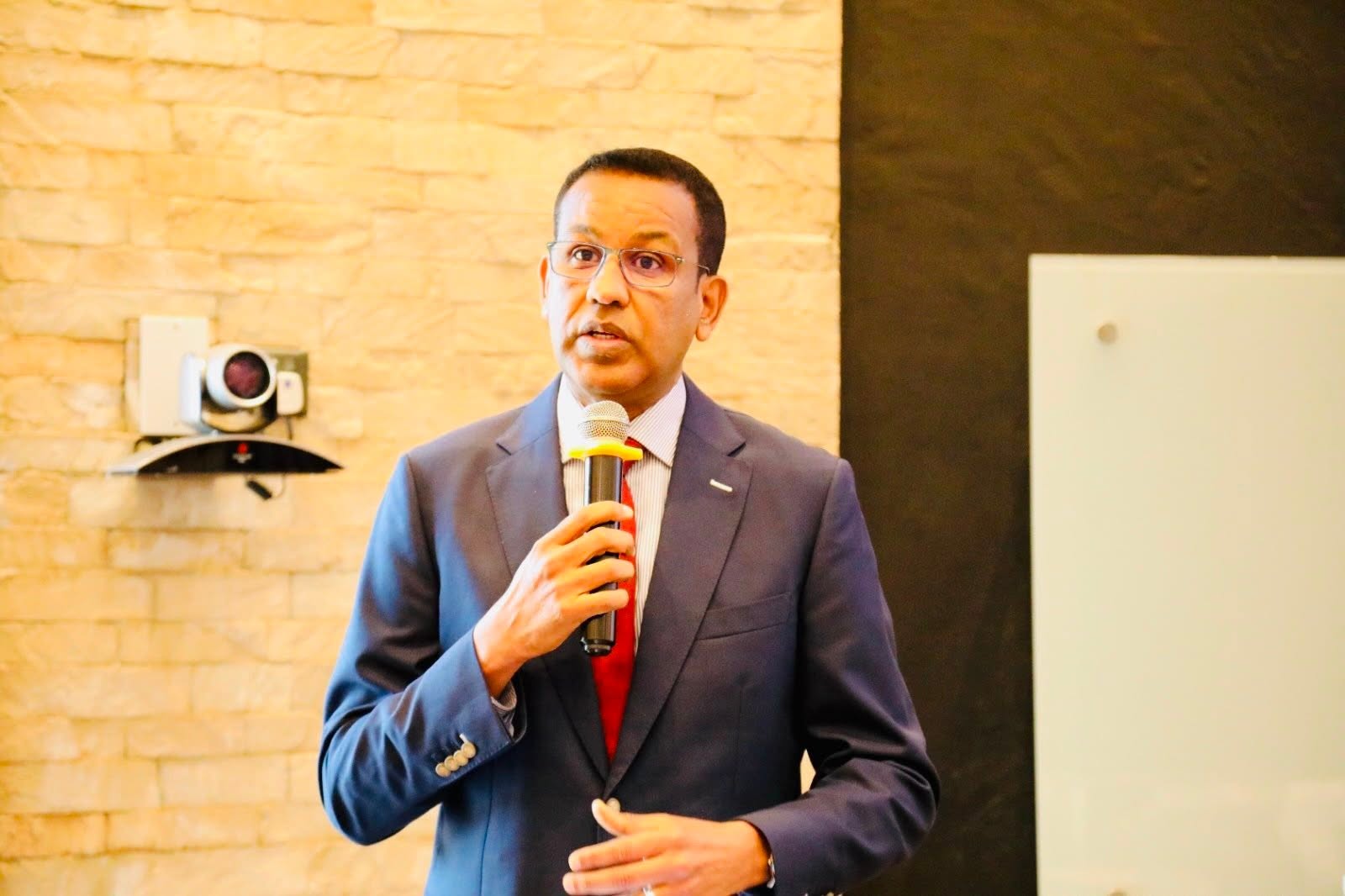
GOOBJOOG NEWS | NAIROBI: Somalia’s Ambassador to Kenya, Jabril Ibrahim Abdulle, has called for greater involvement of the Somali diaspora and private sector in disaster preparedness efforts, warning that stronger partnerships will be essential to protecting vulnerable communities ahead of the upcoming Deyr rainy season.
Speaking at a disaster preparedness forum in Nairobi, Ambassador Abdulle said Somali businesses and diaspora communities possess significant resources and expertise that could help strengthen emergency response efforts and support communities affected by floods and other climate-related disasters.
The meeting, organized by the Somali Disaster Management Agency (SoDMA), brought together government officials, United Nations agencies, humanitarian organizations, development partners and donors to discuss preparedness measures ahead of the Deyr rains, which are expected later this year.
“Somali communities abroad and the private sector have an important role to play in supporting disaster response and helping vulnerable populations recover from crises,” Ambassador Abdulle told participants, emphasizing the need for broader cooperation beyond government institutions.
His remarks come as Somalia continues to face recurring climate shocks, including devastating floods and prolonged droughts that have displaced communities and disrupted livelihoods across several regions.
EARLY WARNING SYSTEMS
The forum focused on strengthening early warning systems, improving flood preparedness plans and mobilizing resources to reduce the impact of potential flooding during the Deyr season, one of Somalia’s principal rainy periods.
Commissioner of the Somali Disaster Management Agency, Mahmoud Moallim, also highlighted the importance of coordination among government institutions, donors and humanitarian partners to ensure timely assistance reaches communities at risk.
The discussions reflect growing concern among Somali government officials and aid agencies about the increasing frequency of extreme weather events in the Horn of Africa, where climate-related disasters have become a recurring challenge for governments and humanitarian organizations.
Experts say stronger engagement from the private sector and diaspora communities could complement ongoing efforts by government agencies and international partners to improve resilience and disaster response capacity across Somalia.
The Deyr rains, which typically fall between October and December, are critical for agriculture and livestock production. However, heavy rainfall has frequently led to flooding along the Shabelle and Juba rivers, affecting thousands of households and causing significant economic losses.
Participants at the Nairobi forum stressed that early planning, improved coordination and sustainable financing will be key to reducing the humanitarian impact of future disasters and protecting communities most vulnerable to climate shocks.