
Amnesty International Calls for Release of Somali Activist Jailed For Three Years
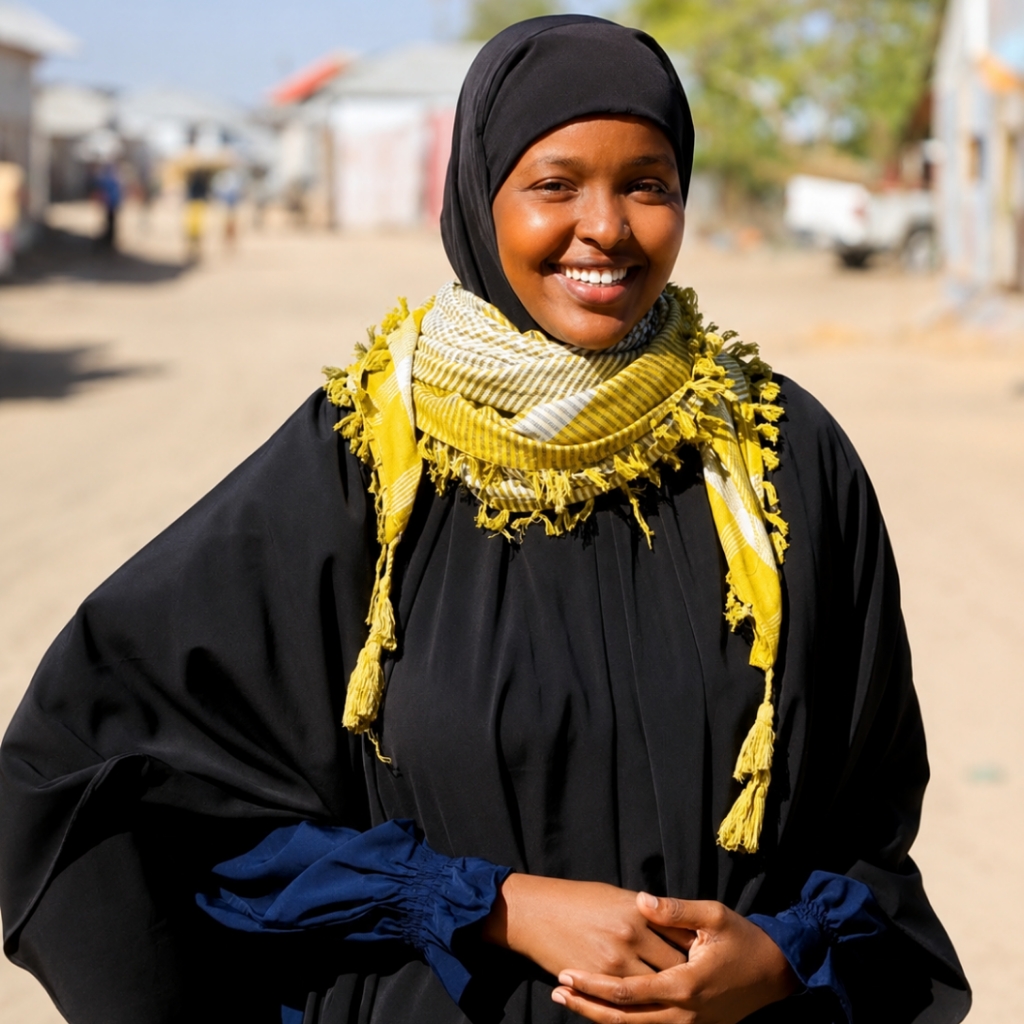
GOOBJOOG NEWS | MOGADISHU: Amnesty International has called for the immediate and unconditional release of Somali activist and tuk-tuk driver Sacdiya Moalim Ali, who was sentenced to three years in prison by a Mogadishu court after a case that has drawn attention to freedom of expression in Somalia.
Sacdiya, popularly known as “Sacdiya Bajaaj”, was arrested in Mogadishu on April 12 and sentenced by the Banadir Regional Court on June 25. Reports on the court proceedings said she was convicted over offences related to public incitement.
Amnesty said after speaking with Sacdiya in prison that it considers her prosecution, detention and conviction to be linked to her activism, including comments on social media and participation in peaceful protests.
The organisation has urged the Somali authorities to release her, arguing that she was being punished for exercising her right to freedom of expression. Amnesty had previously called for her release following her arrest in April.
The case has also attracted attention from Somali civil society groups. The Somali Women Journalists Rights Association called for her immediate release in May, saying her detention raised concerns about freedom of expression and the treatment of women activists.
Sacdiya, a trained midwife, has described how difficulty finding work after completing her studies led her to take up different forms of employment, eventually becoming a tuk-tuk driver in Mogadishu.
She built a following through social media by speaking about issues affecting ordinary Somalis, including unemployment, the cost of living and other social and economic concerns.
She has said her activism grew out of her own experience of struggling to find work and supporting her family, as well as what she witnessed among other people trying to make a living in Mogadishu.
Sacdiya has also said her imprisonment has separated her from her young daughter, who was still being breastfed when she was sentenced. She has described herself as a main financial provider for her family.
She has further alleged that she experienced health problems while in detention and that she was offered incentives to stop speaking publicly. Those allegations have not been independently verified.
In a statement published after her conviction, Sacdiya said she wanted her case to be handled through a fair legal process and appealed for her situation not to be turned into a political or clan confrontation. She also called for an independent review of her conviction.
The case comes as Somalia continues to rebuild its political and judicial institutions while preparing for a major electoral transition. Rights groups have repeatedly raised concerns about the space available to journalists, activists and other critics of government policies.
For the government, such cases sit alongside efforts to strengthen public order and state institutions in a country still facing a serious security threat. For rights groups, they have become a test of whether Somalia’s developing political system can accommodate criticism and peaceful dissent.
Amnesty is now urging the authorities to release Sacdiya without conditions, framing her case as a matter of freedom of expression and the protection of human rights defenders.
The court’s conviction remains the basis of her imprisonment, while the competing claims over the motivation for her prosecution and the treatment she says she received in detention remain contested.