
Balancing Freedom of Expression and Accountability in Somalia’s Digital Space
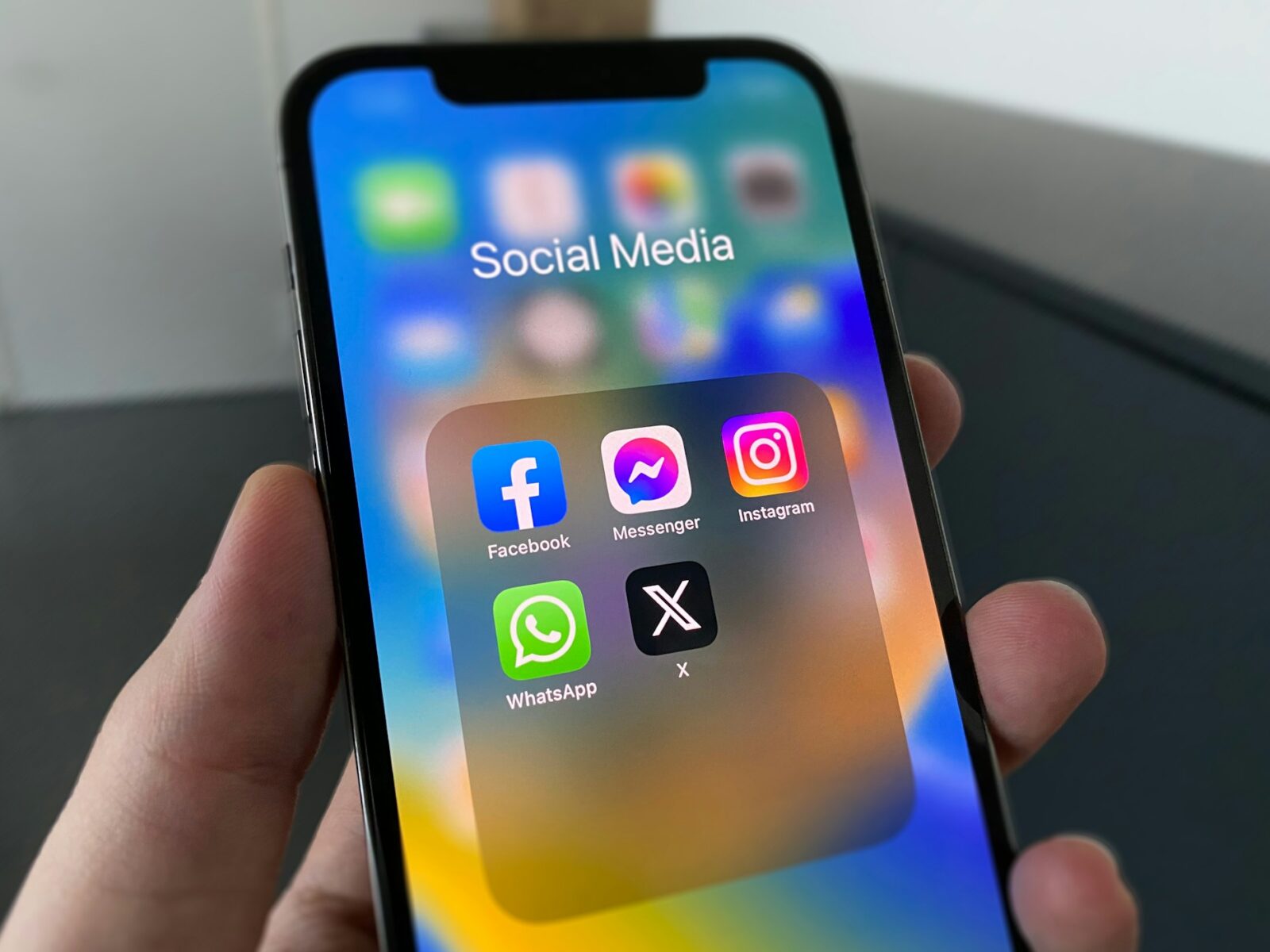
The recent surge of offensive content on Somali social media platforms has reached a tipping point, deeply unsettling a society rooted in respect, decency, and shared moral principles. What began as lighthearted digital entertainment has rapidly degenerated into content that publicly demeans women, glorifies vice, and erodes the cultural foundations of our communities.
In direct response to this widespread public outcry and societal denial of these negative trends, the Somali Police Force—specifically the Banadir Regional Police and the Criminal Investigation Department (CID)—launched a decisive campaign of targeted arrests. This intervention was not only timely but absolutely vital to signal that the digital space is subject to the same rule of law that governs our physical communities.
For too long, a dangerous misconception has circulated among popular online personalities that digital platforms exist in a legal vacuum. Exploiting their vast reach and popularity, several influencers have normalized vulgar behavior and degraded the dignity of others under the guise of content creation. The individuals recently apprehended by the police stand accused of publishing material that directly violates public decency laws and insults the core values of Somali culture and religion. By bringing these suspects into custody for formal investigation, law enforcement has effectively shattered the illusion of online lawlessness, proving that a high follower count cannot shield anyone from the consequences of harmful behavior.
While freedom of expression remains a fundamental right, it has never been an absolute license to inflict harm, incite misconduct, or dismantle the social fabric that holds a nation together. Every functioning society possesses the inherent right to enforce laws that safeguard public order and protect its citizens from moral and social degradation. Rights are intrinsically bound to responsibilities, and using a digital megaphone to spread toxic content does not exempt an individual from accountability. The true significance of this police operation lies in its powerful deterrent message: influence, fame, and wealth do not place anyone above the law, and its enforcement must remain blind to celebrity status.
As the state rightfully reasserts control over the digital domain, it is equally critical that the police balance firm enforcement with absolute fairness. To maintain the integrity of this campaign and prevent it from becoming a tool of public emotion, every suspect must be granted full due process under the law. Investigations must be thorough, transparent, and completely reliant on verifiable evidence, ensuring that the formal court system—rather than the court of public opinion—ultimately determines guilt or innocence. To maximize the impact of this campaign, the subsequent court proceedings should be broadcast online. Streaming these trials publicly on digital platforms will make the judicial process an active part of the campaign, visibly reprimanding online misconduct in the very same space where the offenses occurred.
Looking ahead, this successful crackdown should not be viewed as a temporary, one-off campaign, but rather as the foundation for a permanent, sustained effort to cultivate a healthier digital environment. Law enforcement must continue to systematically investigate those who intentionally exploit social media for malicious or indecent purposes, while simultaneously collaborating with educators, religious scholars, and parents to champion responsible digital citizenship. By pairing continuous legal accountability and digital trial broadcasts with clear transparency regarding court outcomes, Somalia can successfully build a safer, more respectful online landscape that honors its heritage while embracing modern connectivity.