
Banaadir Administration Under Spotlight Over Poor Drainage as City Remains Flooded Amid Heavy Rains
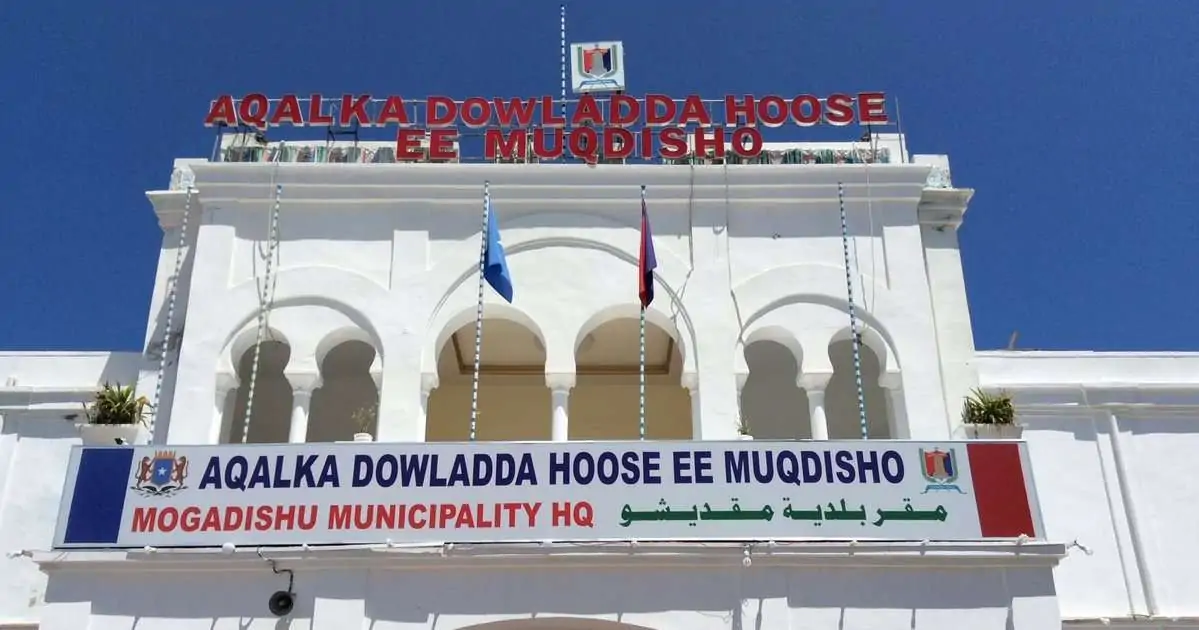
GOOBJOOG NEWS|MOGADISHU: The latest rains that fell across Mogadishu have once again exposed persistent challenges in the city’s drainage infrastructure, with major roads and neighborhoods still submerged nearly 40 hours after the downpour.
Several key roads in the capital remain impassable as rainwater continues to flood streets, residential areas, and business premises. The situation has disrupted transportation, commercial activities, education, and access to emergency services, affecting thousands of residents.
The scenes are familiar to many Mogadishu residents. Every rainy season, images and videos emerge showing flooded roads, vehicles stranded in waterlogged streets, and communities struggling to navigate the city. The recurrence of these problems has renewed debate about the state of the capital’s drainage system and the effectiveness of efforts to address it.
Critics argue that while the Banadir Regional Administration has invested in the construction and rehabilitation of roads, insufficient attention has been given to the drainage infrastructure needed to protect those roads from flooding. They contend that a modern road network cannot function effectively without a reliable system for managing stormwater.
The latest flooding has also prompted questions about how public revenue and taxes collected from residents are being utilized, particularly in relation to long-standing infrastructure challenges that continue to affect daily life during periods of heavy rainfall.
As Somalia’s capital and economic hub, Mogadishu is expected to have infrastructure capable of withstanding seasonal rains without bringing movement and economic activity to a standstill. Yet the continued flooding of major roads more than a day after the rains has highlighted concerns about planning, maintenance, and investment in essential urban infrastructure.
Observers and residents alike are calling on the Banadir Regional Administration to develop and implement a comprehensive drainage management strategy, while providing greater public accountability regarding the recurring flooding that affects the city each year.
Rainfall is a predictable seasonal event. For many residents, the fact that large parts of Mogadishu remain waterlogged nearly 40 hours after the rains underscores the urgent need for long-term solutions to improve drainage systems and strengthen the city’s resilience to flooding.