
BRA: Unilateral District Appointments Water Down the Promise of Elections
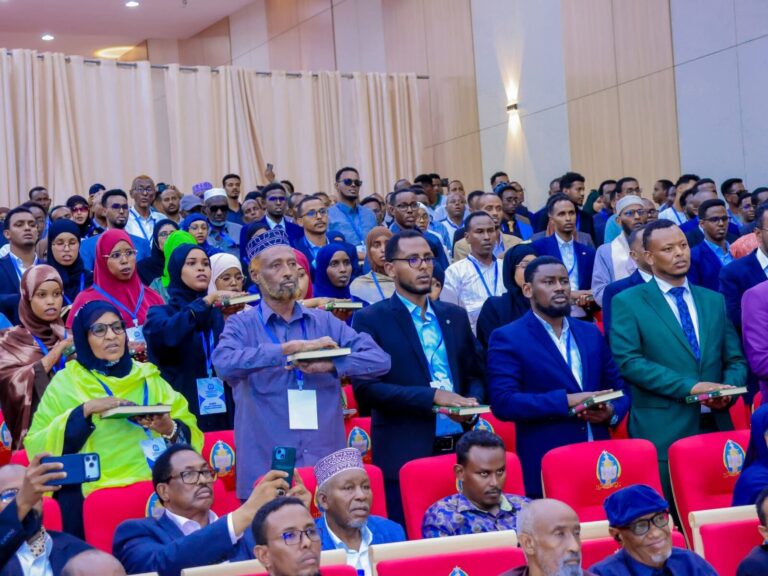
GOOBJOOG NEWS|MOGADISHU: The decision by Banadir Regional Governor and Mogadishu Mayor Hassan Mohamed Hussein (Muungaab) to remove Bondheere District Governor Abdullahi Hassan Sheikh Abdi and replace him with Mohamed Abdullahi Omar has once again brought the Banadir Regional Administration’s approach to the capital’s Local Council election results into question.
The move is seen as another setback for the hopes of young people and other candidates who contested the Mogadishu Local Council elections, sought votes from the public and won the opportunity to represent their communities. Yet after the elections, the public’s votes and hopes for change in district administration appear to be facing new challenges.
But it is worth asking: What was the purpose of the Local Council elections if the most important district positions could be filled by appointing people who were not among those elected by the public? And what value did thousands of votes have if district administration remained dependent on appointments made by the Mogadishu mayor?
Null and Void
The appointment of Mohamed Abdullahi Omar in Bondheere is not the first such case. Bondheere will be the third district to have a new governor since Mogadishu’s local council elections on 25 December 2025, following Deyniile and Shangaani. The Electoral Commission has previously opposed the appointment of governors in these districts, stating that elected local councils must choose their governors and deputy governors from among their own members, and that any action to the contrary is void.
The Banadir Regional Council elections, held on 25 December 2025, elected 390 members from 16 districts. Nine Grade A districts each elected 27 members, while the seven Grade B districts each elected 21. These 390 representatives were chosen by the public and were expected to play a prominent role in district administration and leadership.
This raises questions about what has become of the Local Council’s authority and role. The council was created to enable residents to participate directly in governing their communities. Should elected members remain in place in name only while other officials make the key decisions and hold the most important responsibilities?
The Mogadishu mayor was expected to be the principal guardian of the election results and to strengthen the authority of locally elected bodies. Measures such as these, however, could undermine the promises made during the election and leave young people feeling that their votes have not been given the consideration they expected.
If elections do not lead to respect for the people’s will and the role of their elected representatives, confidence in the electoral system is at risk. Mogadishu needs more than elections in name; it needs genuine governance grounded in the people’s voice, accountability and respect for the rule of law.