
Climate Shocks Uproot 62,000 as Drought Displacement Surges Across Somalia
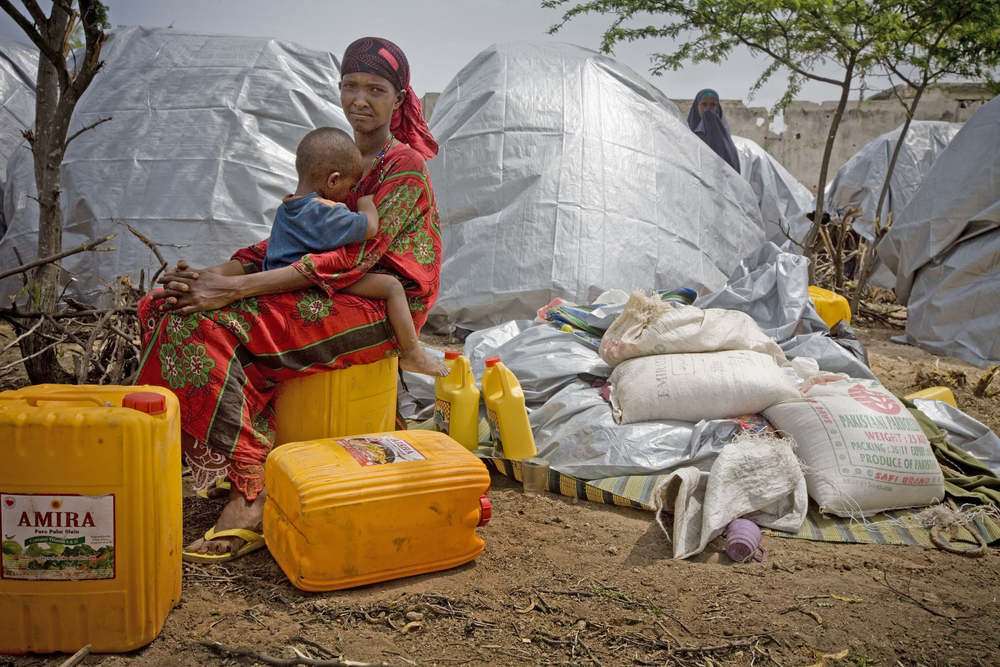
GOOBJOOG NEWS|MOGADISHU/GENEVA: A deepening climate crisis in Somalia has uprooted nearly 62,000 people since the start of 2026, as drought now accounts for three-quarters of all new displacements in the country. New data released by the International Organization for Migration (IOM) highlights a 22 percent increase in drought-driven movement compared to last year, signaling a significant escalation in regional climate shocks.
Projections Signal Looming Crisis
Despite hopes that the current Gu rainy season (April–June) might bring relief, the outlook remains grim. The IOM’s Displacement Tracking Matrix projects that an additional 125,000 people could be forced from their homes by the end of June. “When water disappears, crops fail, and livelihoods collapse, displacement becomes a last resort,” warned Manuel Pereira, IOM Somalia Chief of Mission, noting that without swift intervention, the cycle of hunger and vulnerability will only deepen.
Drivers of the Surge
The current crisis follows a shortfall in rainfall during the 2025 Deyr season, exacerbated by an unusually brutal Jilaal dry period. In regions like Gedo, pastoralists report traveling extreme distances to find water, while widespread livestock losses have stripped families of their primary income and food sources. These conditions have hit the districts of Baidoa, Dayniile, Kahda, Diinsoor, and Doolow the hardest, as depleted water sources and reduced agricultural output leave communities with no choice but to migrate toward urban centers.
The influx of displaced families is placing immense pressure on cities that lack the infrastructure to absorb them. Most newly displaced households end up in informal, underserved settlements where access to sanitation and safe water is extremely limited. While the IOM’s Rapid Support Mechanism continues to provide emergency shelter and essential items, the scale of the displacement is rapidly outstripping available humanitarian resources.
Call for Long-Term Resilience
As the drought persists, the IOM is urging the international community to move beyond emergency aid. Experts emphasize that while life-saving assistance is critical, long-term stability requires significant investment in water infrastructure and climate-resilient livelihoods. Without such measures, Somali communities remain trapped in a cycle of displacement, increasingly unable to withstand the frequent and intensifying climate shocks characterizing the region.