
Federal Government Signals Tough Stance on Unrest as Somalia Advances Electoral Reforms
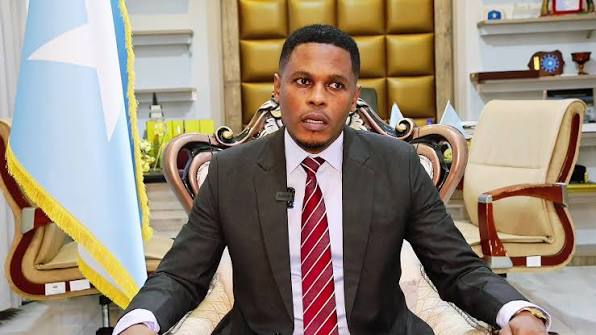
GOOBJOOG NEWS | MOGADISHU: The federal government of Somalia has warned against attempts to politicize national security and destabilize the country, saying authorities would act decisively against any actions threatening public order in the capital Mogadishu and other strategic regions.
Information Minister Abdifitah Qasim said preserving security and stability remained a national responsibility that should rise above political competition, at a time when Somalia is pushing ahead with major electoral and governance reforms.
“National security belongs to the Somali people and cannot be used as a political bargaining tool,” Qasim said during a government briefing in Mogadishu, urging citizens to protect recent security gains and reject attempts to fuel unrest or weaken state institutions.
The remarks come as Somalia intensifies military operations against the militant group Al-Shabaab while simultaneously pursuing a transition toward universal suffrage, a long-awaited reform seen by the federal leadership as central to rebuilding democratic governance after decades of conflict and clan-based political arrangements.
Somalia has historically relied on an indirect electoral model where clan elders and delegates select lawmakers, a system critics say limited broader public participation and slowed institutional development.
President Hassan Sheikh Mohamud has repeatedly pledged to move the country toward a one-person, one-vote system, describing it as critical to strengthening national unity and restoring public trust in government institutions.
Qasim said the government had invested significant political and institutional capital in preparing the country for direct elections and would not reverse course.
“The transition to universal suffrage is irreversible,” he said, adding that the federal administration would not negotiate a return to indirect or clan-based selection systems.
The government’s position reflects growing efforts by federal authorities to project stability as the nation seeks deeper regional integration, increased foreign investment and stronger international partnerships in security and economic recovery.
In recent months, Mogadishu has stepped up cooperation with regional allies including Kenya, Ethiopia and Uganda under the African Union-led security framework, while also expanding domestic offensives against Al-Shabaab strongholds in central and southern Somalia.
The push toward direct elections could mark a significant turning point for Somalia if successfully implemented, though challenges remain over security, political consensus and the logistics of conducting nationwide voting in a country emerging from decades of instability.
Still, federal officials argue that maintaining public order and safeguarding democratic reforms are essential for Somalia’s long-term recovery and its efforts to reposition itself as a stable partner in East Africa and the wider international community.