
Government Officials Visit Tourism Site in Signal of Confidence over Mogadishu’s Security
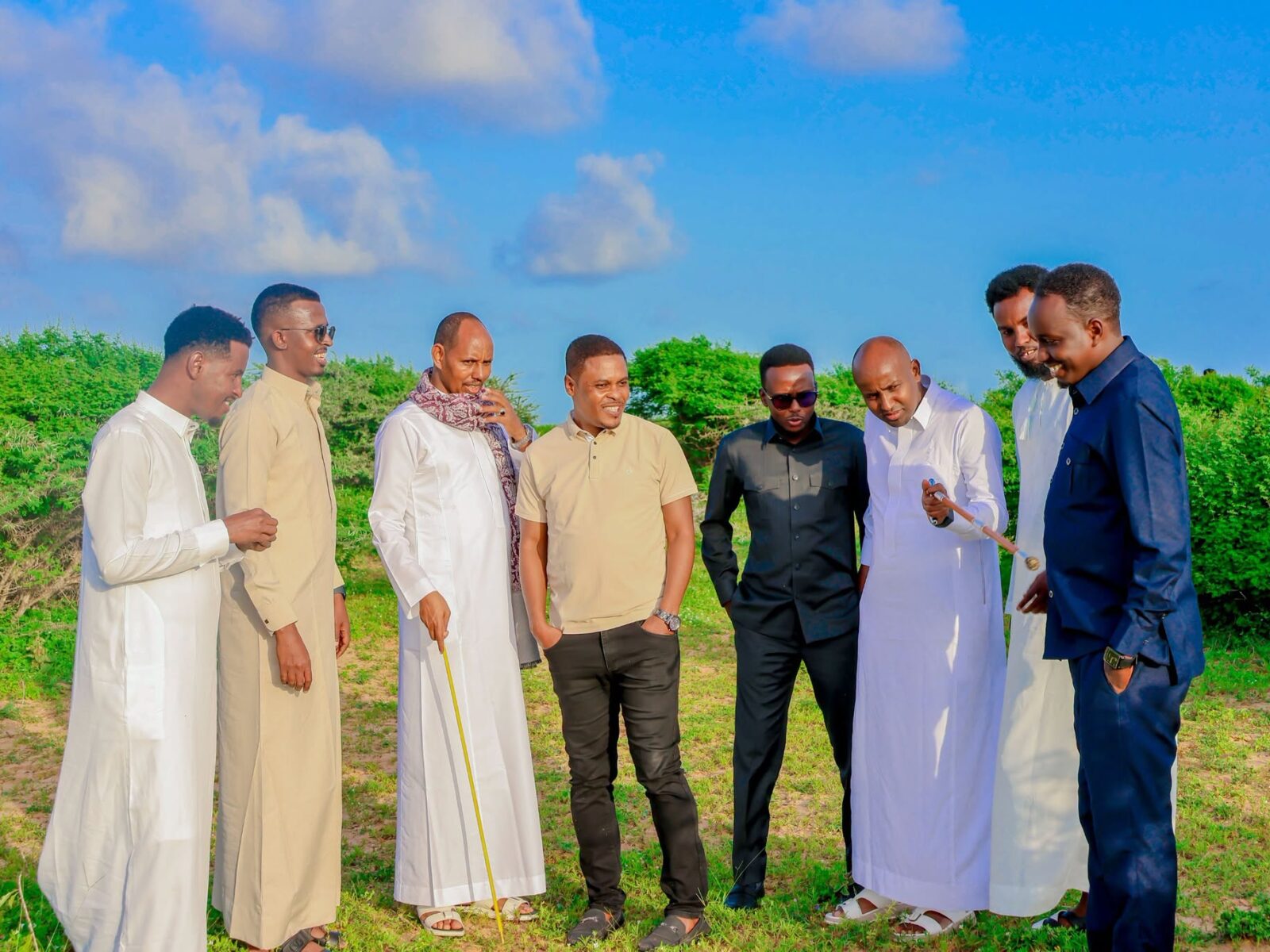
GOOBJOOG NEWS | MOGADISHU: A group of senior Somali government officials visited a tourism and recreational site on the outskirts of Mogadishu on Friday, in a move intended to encourage domestic tourism and demonstrate confidence in the capital’s evolving security environment.
The delegation was led by Information, Culture and Tourism Minister Abdulfatax Qasim Mahmoud and included Deputy Minister for Internal Security Sulub Ahmed Firin, National Counterterrorism Centre Director Ali Yasin Gurbe, Banadir regional intelligence chief Liban Abdirahman and other senior officials.
During the visit to the facility in Kahda district, the delegation met with operators and visitors and discussed the growing role of local tourism in supporting economic activity, creating jobs and encouraging private investment.
The officials said the visit reflected the government’s efforts to showcase areas it considers increasingly suitable for recreation and business, arguing that improved security has enabled more public spaces and tourism ventures to emerge around Mogadishu.
The visit carries symbolic significance as Somalia seeks to rebuild public confidence in everyday life after decades of conflict. Once largely associated with insecurity, parts of Mogadishu have in recent years seen new hotels, restaurants, beachfront developments and leisure facilities open, driven by private investment and a gradual return of commercial activity.
The government’s promotion of domestic tourism also forms part of broader efforts to diversify the economy and attract investment. However, security analysts note that while conditions have improved in many parts of the capital, the threat posed by Al-Shabaab has not disappeared, with the group continuing to stage periodic attacks in Mogadishu and elsewhere.
For Somalia, the visit underscores an attempt to project an image of a capital that is gradually recovering while balancing the reality of ongoing security challenges. Whether such confidence translates into sustained investment and increased domestic tourism is likely to depend on continued improvements in security and infrastructure.