
Half of Somali Households Cannot Afford a Nutritious Diet, New Study Finds
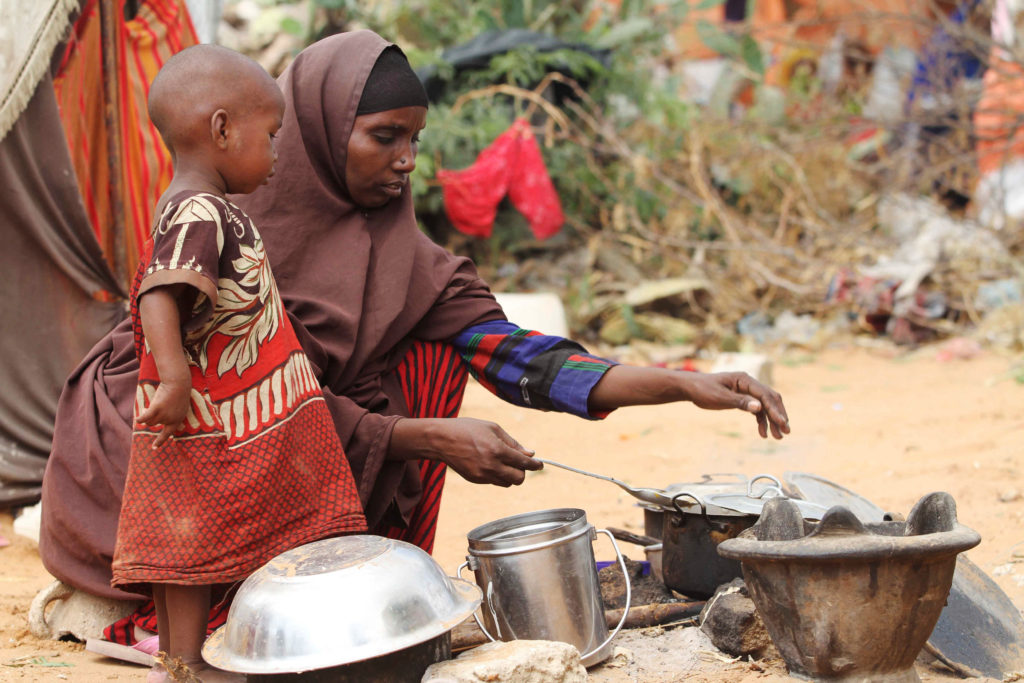
GOOBJOOG NEWS|MOGADISHU: Half of all households in Somalia cannot afford a minimally nutritious diet, and nearly one in five lacks the purchasing power to meet even basic energy requirements, according to a new analysis jointly released by the Federal Government of Somalia and the World Food Programme (WFP).
The newly released ‘Fill the Nutrient Gap (FNG) Somalia’ report, provides the most comprehensive picture of the country’s nutrition landscape since a similar study in 2019. It finds that a nutritious diet for a five-person household costs on average more than four US dollars per day — an amount that remains out of reach for a large share of the population.
The report identifies infrastructure deficits as a structural driver of the crisis, noting that underdeveloped road and market networks reduce food availability and push prices higher, with the burden falling disproportionately on rural and nomadic communities. In some zones, up to 75 percent of households cannot afford a nutrient-adequate diet, against a national non-affordability average of 49 percent.
Dietary quality is poor across all wealth groups, with more than three quarters of daily caloric intake derived from starchy staples, oil and sugar. The report flags infants, young children, adolescent girls, and pregnant and breastfeeding women as particularly vulnerable.
Minister of State at the Office of the Prime Minister, Hirsi Jaamac Gaani, said the findings underscored an urgent national responsibility. “The community is greatly in need of careful attention to their nutrition in order to maintain good health,” he said.
Dr. Mohamed Abdi Farah, Senior Nutrition and Climate Advisor at the Office of the Prime Minister, said the study’s value lay in the specificity of its recommendations. “The government is actively working to ensure communities have access to nutritious food,” he said, adding that the analysis provided a stronger platform for evidence-based policy across multiple sectors.
Osama Abdi Ali, Head of Food and Nutrition at the Ministry of Health, stressed the particular significance of the report’s findings for vulnerable groups, noting that the study placed strong emphasis on what practical steps institutions needed to take to close the nutrient gap.
In the report, WFP described context-appropriate fortification of staple foods, improved school meals, and targeted social protection as among the most cost-effective interventions available, and called for these to be pursued in combination rather than in isolation.
Stakeholder recommendations span five sectors: health, food systems, agriculture, education, and social protection. They include mandatory fortification legislation for widely consumed staples, expanded micronutrient supplementation for vulnerable women and adolescents, and cash transfer programmes paired with behaviour change communication.
The FNG analysis drew on food price data collected across 50 retail markets in 25 districts nationwide, alongside household expenditure data from the Comprehensive Food Security and Vulnerability Analysis conducted between January and May 2025.