
International Concern Grows Over Mogadishu Clashes as U.N., IGAD Appeal for Calm
GOOBJOOG NEWS | MOGADISHU: The United Nations and the regional bloc IGAD have expressed growing concern over violence in Somalia’s capital, calling on political leaders and other stakeholders to halt hostilities and return to dialogue to prevent further instability.
In a statement, the United Nations Transitional Assistance Mission in Somalia (UNTMIS) said it was deeply concerned by the fighting that has unfolded in Mogadishu and urged all parties to demonstrate responsible leadership by prioritizing peaceful solutions.
The U.N. mission called on Somali political actors to avoid actions that could endanger civilians or deepen divisions, stressing the need for dialogue at a time of heightened political tensions.
UNTMIS also pointed to lessons from Somalia’s 2021 electoral crisis, when disagreements over the electoral process triggered a political standoff, armed confrontations in parts of Mogadishu and fears of wider instability.
“The lessons of 2021 should not be forgotten,” the mission said, urging Somali leaders to avoid repeating past mistakes and instead pursue compromise and consensus.
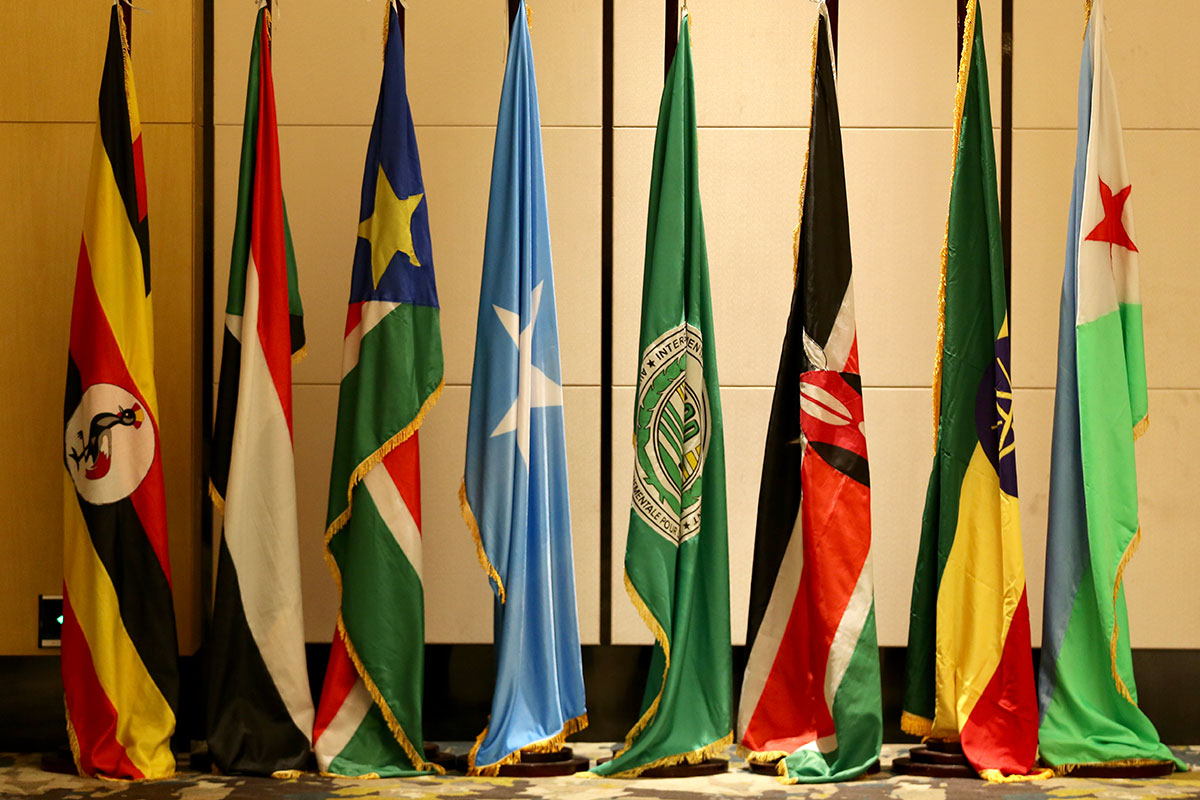
Separately, the Intergovernmental Authority on Development (IGAD), the eight-member East African regional bloc, condemned the violence reported in Mogadishu and called for an immediate de-escalation of tensions.
IGAD Executive Secretary Workneh Gebeyehu said Somalia’s leaders and political stakeholders should place the interests of citizens above political rivalries and work toward resolving disputes through peaceful means.
He emphasized that Somalia’s unity, stability and security remain critical not only for the country itself but also for the wider Horn of Africa region.
The statements come after days of heightened tensions in Mogadishu marked by armed clashes, political disagreements and competing accusations between the federal government and opposition groups. The unrest has centered on disputes over constitutional reforms, electoral arrangements and broader questions about Somalia’s political future.
The latest appeals from the United Nations and IGAD add to a growing chorus of concern from international partners. Earlier this week, the United States and the United Kingdom urged Somali leaders to exercise restraint and engage in dialogue, warning that continued instability could undermine gains made in governance, security and state-building.
The concerns are particularly significant because Somalia is at a critical stage in its political transition while simultaneously conducting military operations against the militant group Al-Shabaab. International observers have warned that prolonged political tensions could divert attention from security priorities and affect ongoing efforts to strengthen national institutions.
Both the United Nations and IGAD said they remained ready to support dialogue, reconciliation and efforts aimed at preserving peace and stability in Somalia.
Neither the federal government nor opposition groups immediately responded publicly to the latest statements.
Diplomats and analysts say the coming days could prove crucial in determining whether Somalia’s political actors can ease tensions through negotiations or risk a deeper political crisis reminiscent of previous periods of instability.