
International Partners Back Somalia’s Direct-Election Process as Poll Preparations Continue
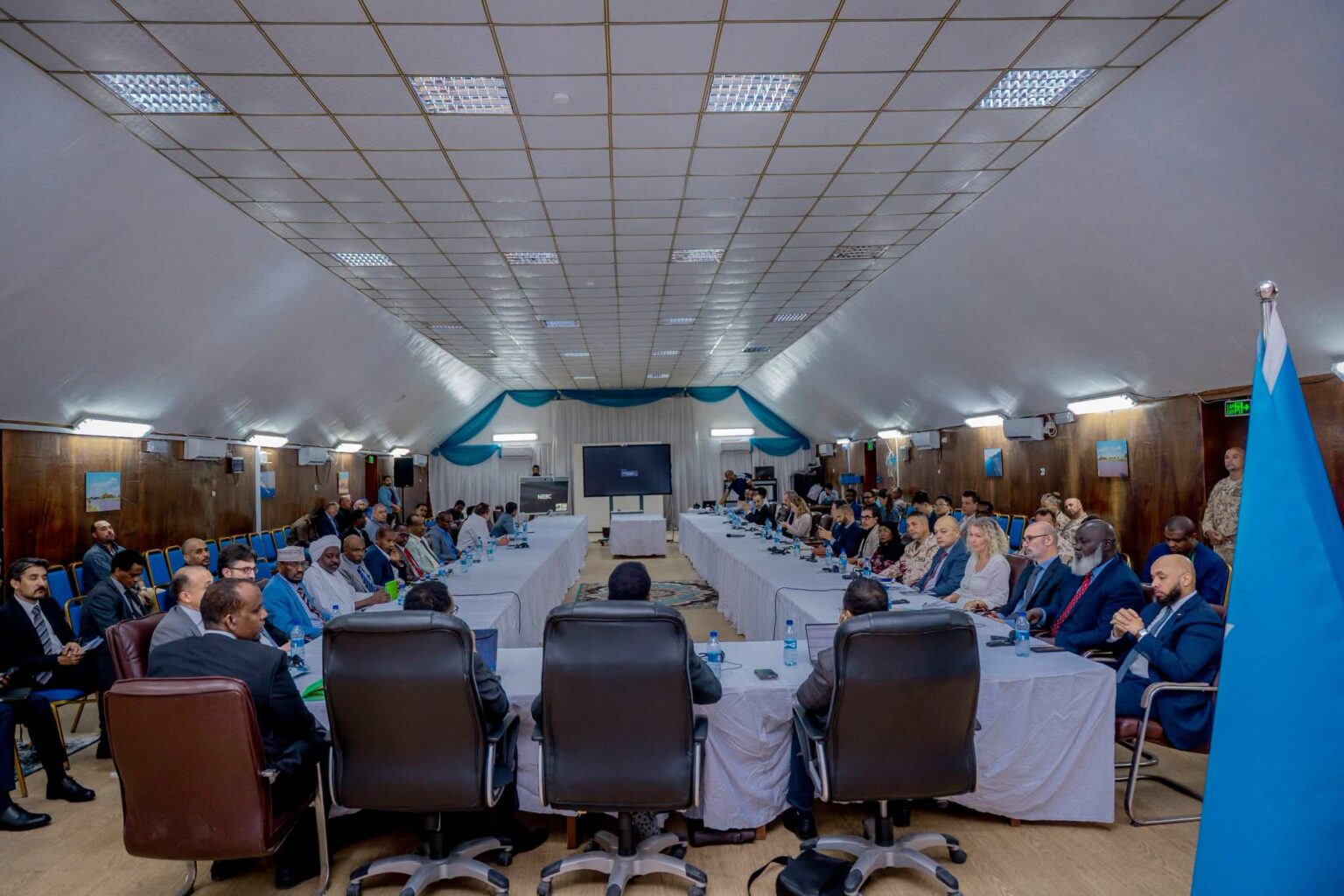
GOOBJOOG NEWS | MOGADISHU: Somalia’s electoral commission has briefed international diplomats on progress towards direct elections, securing renewed support for efforts to expand voting by citizens as the country prepares for further polls in the federal member states.
The National Independent Electoral and Boundaries Commission (NIEBC) held the briefing with ambassadors and representatives of Somalia’s international partners, outlining recent elections and the next stages of the process.
Commission chairman Abdikarim Ahmed Hassan told the meeting that the transition towards a one-person, one-vote system had made significant progress, highlighting recent local council elections in Banadir and combined local council and state assembly elections held in South West and Galmudug.
The commission also briefed diplomats on plans for combined elections in Hirshabelle, which are expected to form another stage in the expansion of direct voting.
Representatives from the United States, Britain, China, Turkey, Ethiopia, Kenya, Sudan and Egypt attended the meeting, alongside officials from the United Nations, African Union and Organisation of Islamic Cooperation.
The international representatives welcomed the progress reported by the commission and said they were prepared to support efforts to strengthen Somalia’s democratic institutions and return electoral power more directly to voters.
They also expressed readiness to work with the commission towards elections that are inclusive, transparent and credible.
Somalia is seeking to move away from the indirect electoral system that has dominated national politics for decades. The country’s previous federal elections relied heavily on lawmakers and delegates rather than a direct vote by the wider electorate.
The commission says the latest local and regional elections represent an important step towards changing that system, allowing citizens to participate more directly in choosing their representatives.
But the transition remains politically sensitive. Somalia’s federal government, member states and opposition groups have held differing positions over electoral arrangements, constitutional changes and the timetable for future elections.
The success of the direct-voting model will therefore depend not only on conducting individual polls but also on maintaining political agreement among the federal and regional authorities and ensuring that voters, candidates and political organisations have confidence in the process.
For international partners, support for the electoral commission also comes as Somalia seeks to strengthen state institutions and consolidate political stability after years of conflict and indirect elections.
The commission said it would continue preparations for the next stages of the electoral process, including the planned polls in Hirshabelle.
The meeting provided an opportunity for the commission to present its progress while giving international partners a clearer view of the challenges and preparations ahead as Somalia attempts to broaden direct participation in its political system.