
Kenyans’ Fury At US Plan To Quarantine Ebola-Exposed Citizens In Nairobi
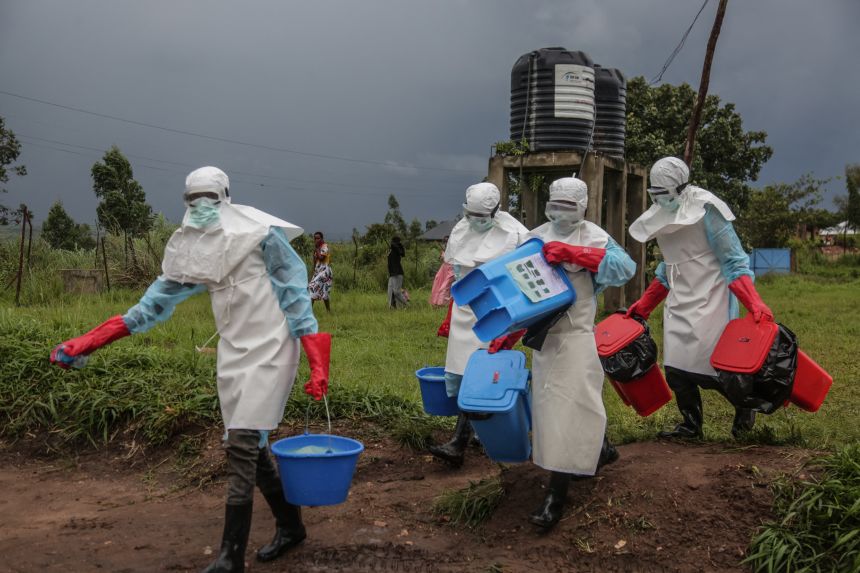
GOOBJOOG NEWS|NAIROBI: A furious public reaction has erupted in Kenya after reports emerged that the Trump administration is setting up a quarantine and treatment facility in the East African nation for Americans who have been exposed to, or infected with, Ebola amid a rapidly deteriorating outbreak in the Democratic Republic of Congo.
The Trump administration confirmed the plan, with US Secretary of State Marco Rubio declaring at a Cabinet meeting: “We cannot and will not allow any cases of Ebola to enter the United States.” The move represents a sharp break from previous Ebola outbreaks, which involved flying exposed or infected Americans back to the US for quarantine or treatment.
The plan triggered an uproar from many Kenyans, who accused the United States of using their country as a dumping ground, with online debates seeing widespread claims that African countries were being pressured to accept health risks that powerful nations were unwilling to take themselves.
Prominent Kenyan lawyer and politician Miguna Miguna was among the most vocal critics, writing on social media: “Bringing Americans who are exposed to Ebola to Kenya for whatever reason is an act of high treason. If the Ebola-exposed people are not safe for the USA, they are not safe for Kenyans.” Nairobi resident Robert Kiberenge captured a widespread sentiment when he asked: “Why do Americans think that their lives are so much more important than the lives of Kenyans, that they establish a facility in Kenya that is made only for Americans?”
Government treads carefully
Health Cabinet Secretary Aden Duale acknowledged the ongoing discussions in a statement issued on Wednesday, saying the government noted “ongoing discussions with the US government and other global partners regarding international collaboration on strengthening preparedness and response mechanisms for Ebola Virus Disease and other emerging public health threats.” He added that any cooperation would be guided by Kenyan laws and public health regulations.
The statement neither confirmed nor denied the existence of the facility, and the government’s carefully calibrated response has done little to quell public anger. The political stakes are high. President William Ruto faces a difficult choice: approve the American facility and risk a strong backlash from Kenyans, or reject it and risk damaging relations with Washington, with opposition parties expected to capitalise on the issue ahead of the 2027 general elections.
Transparency questions mount
Critics and analysts are pressing the government to come clean on the details of any agreement. A foreign policy expert demanded the government disclose the full terms, asking: “What is the agreement between Kenya and the US? Will Kenyans also be allowed to access the facility, and where will the doctors treating patients come from?”
Kenya currently has one isolation centre capable of handling Ebola, at Kenyatta National Hospital, and a handful of biosafety level laboratories that can confirm Ebola samples. Concerns about whether a hastily assembled US facility would meet adequate safety and accountability standards have added to the unease.
How likely is a spread to Kenya?
The outbreak in the DRC and Uganda involves a rare Bundibugyo strain of Ebola, which the WHO has declared a Public Health Emergency of International Concern, the third-largest such outbreak on record. Cases have climbed past 1,000 and deaths have exceeded 200.
One Kenyan health expert sought to put the risk in perspective, noting that Ebola is difficult to spread in the manner of Covid-19, and that even if it reached Kenya, containment of an initial cluster would be manageable with a single well-equipped isolation facility. Ebola spreads through direct contact with the bodily fluids of symptomatic patients, not through the air, meaning a quarantine facility with strict protocols, if properly managed, need not pose a community-level risk.
However, the manner in which the arrangement is being handled, with minimal public disclosure and no parliamentary involvement, has left many Kenyans unconvinced that their government is prioritising their safety over its relationship with Washington.