
Lower House Leadership Faces Criticism Over Media Restrictions and Unequal Access
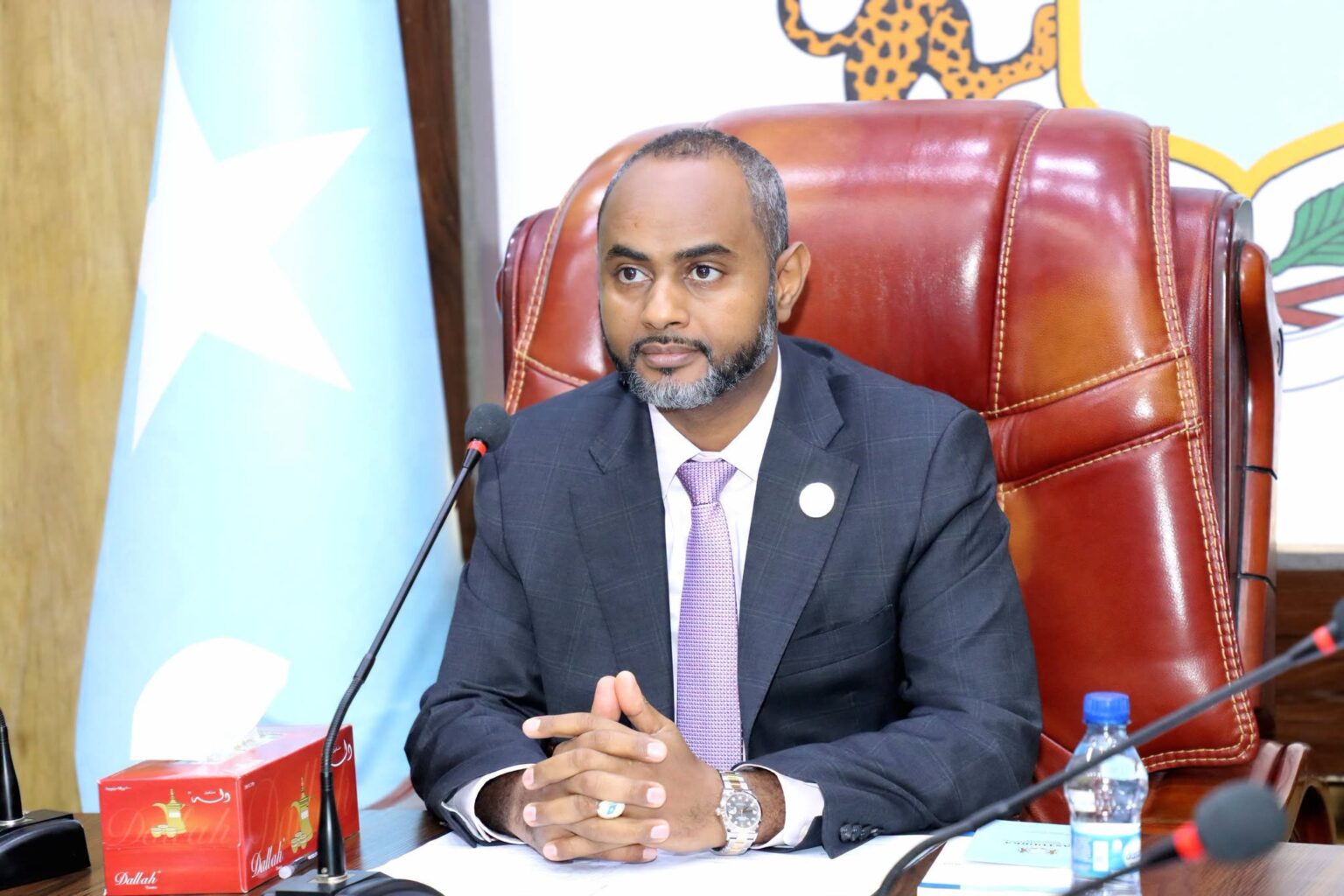
GOOBJOOG NEWS|MOGADISHU: The leadership of Somalia’s House of the People is facing questions over restrictions on media access to parliamentary proceedings, with journalists from several private media organisations reportedly denied entry while a few selected outlets have been allowed to cover sessions.
Parliamentary journalists from several private media houses have been denied access to the parliamentary premises at Villa Hargeysa, while approximately two media organisations were allowed in under circumstances that remain unclear. The rationale behind the selection has not been communicated, raising concerns among affected media organisations over the criteria used to determine which journalists can cover parliamentary proceedings. Some social media influencers were also seen inside the premises, further raising questions about the access arrangements.
The restrictions have prompted concerns about transparency, fairness and the role of independent media in reporting on the activities of the country’s legislature.
In previous instances, state media provided recorded footage of parliamentary proceedings to other media organisations that could not access the chambers due to space limitations. However, this arrangement has proved inadequate as an alternative to direct coverage, particularly because recorded content does not allow other newsrooms to provide independent, real-time reporting. It also limits their ability to respond promptly to urgent developments and breaking news during parliamentary sessions.
The latest decision to exclude most private media outlets while allowing only a handful of selected organisations has therefore raised questions about the basis for determining media access and whether the process is guided by clear and consistently applied rules.
The House of the People is a public institution whose proceedings are of direct interest to citizens. Ensuring that journalists can independently report on its activities is central to transparency, public accountability and the public’s right to information.
While parliamentary authorities may need to manage access because of space, security or other operational considerations, such arrangements should be guided by transparent accreditation procedures and applied fairly across media organisations.
The absence of a clear explanation has left affected media organisations seeking answers over an arrangement that appears to favour a few outlets at the expense of the wider private media sector.
Media access to Parliament should not be treated as a privilege extended selectively by its leadership. It is an important part of ensuring that the public receives timely, independent and comprehensive information about the work of its elected representatives.