
Minnesota Mayor Nadia Mohamed Defends Somalia Visit After Criticism Over Independence Day Travel
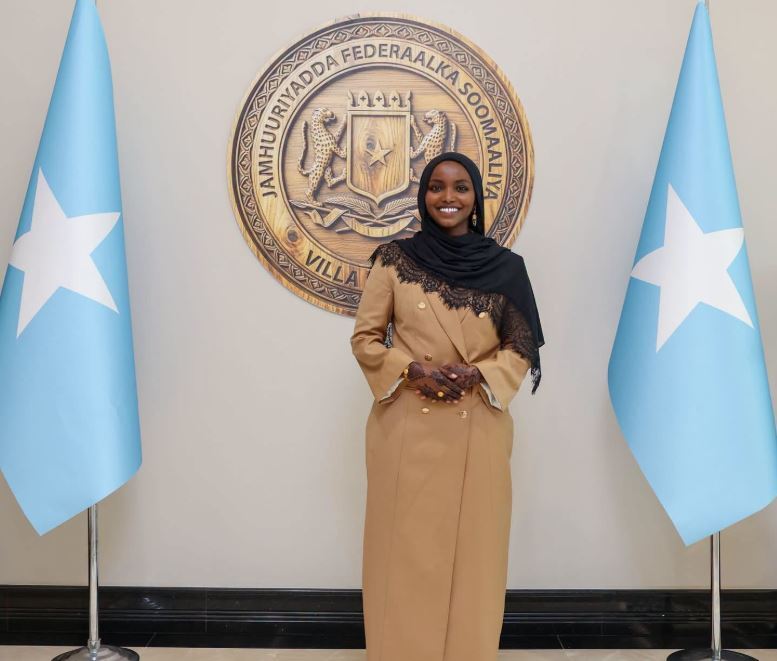
GOOBJOOG NEWS|MINNEAPOLIS: St. Louis Park Mayor Nadia Mohamed has defended her recent visit to Somalia after facing criticism over traveling during the U.S. Independence Day holiday on July 4.
The City of St. Louis Park clarified that the trip was unrelated to official city business and that Mohamed personally covered all travel expenses.
During her stay in Mogadishu, Mohamed attended a series of meetings and public events, including talks with Somali President Hassan Sheikh Mohamud. She was also received by government officials and members of the community and visited several universities.
Responding to criticism in a video posted on X, Mohamed said the trip was a private family visit and that she had used her personal vacation time to travel to Somalia, where she reunited with relatives she had not seen in a decade.
She described it as unreasonable to face criticism for using her leave to visit her family, noting that after six years of serving the residents of St. Louis Park, she chose to spend her vacation visiting her grandmother.
Mohamed also addressed criticism surrounding her meeting with President Hassan Sheikh Mohamud, saying it was not the first time she had met a foreign head of state. She pointed out that she had previously met the former president of Switzerland without attracting the same level of scrutiny or questioning.
She argued that some of those criticizing her trip were exploiting anti-Somali rhetoric to generate attention and engagement on social media.
The controversy comes amid growing concerns within Minnesota’s Somali-American community over what community leaders describe as increasing anti-Somali and anti-Muslim rhetoric. Leaders in the Twin Cities of Minneapolis and St. Paul recently condemned comments they said were fueling hostility after U.S. President Donald Trump shared a social media post featuring children at a Minnesota daycare, including Somali girls wearing hijabs. Community leaders said the post contributed to negative stereotypes and heightened tensions targeting Somali and Muslim residents.