
Somali Opposition Ratchets Up Pressure on Gov’t Amid Deepening Rift Over Transition
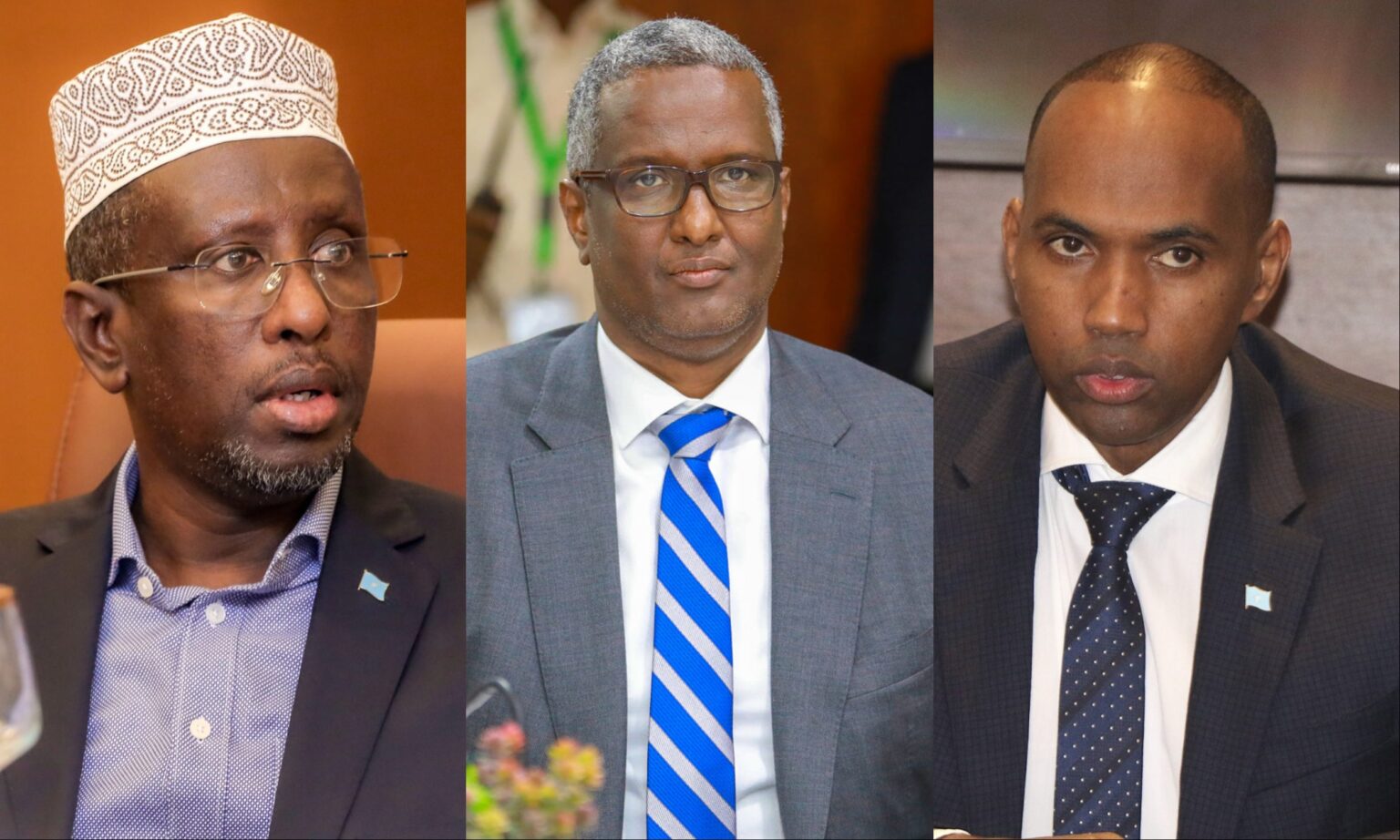
GOOBJOOG NEWS|MOGADISHU: Political tensions in Somalia are rising as opposition leaders intensify pressure on the country’s top leadership, warning that the nation could be heading toward a fragile and potentially dangerous transitional phase.
A coalition of opposition figures — including former presidents, former prime ministers, and sitting members of parliament — has united in rejecting any move they perceive as a term extension or an electoral process lacking broad consensus.
Senior opposition leaders have singled out May 15 as a critical deadline, cautioning that failure to reach an inclusive political agreement by then could plunge the country into what they describe as a “serious crisis.” They argue that the current administration’s mandate is nearing its end and that urgent steps are needed to avoid a constitutional vacuum.
The warning echoes previous political standoffs in Somalia, notably the 2021 electoral impasse, when delays in the federal election process led to heightened tensions, armed confrontations in Mogadishu, and international calls for dialogue.
Opposition Rejects “One-Sided” Electoral Process
The opposition, led prominently by former President Sheikh Sharif Sheikh Ahmed, has accused the government of pursuing a unilateral electoral model designed to favor a single political bloc.
They point to ongoing or planned regional electoral activities — including processes in Baidoa — as evidence of what they describe as manipulated elections driven by financial influence and aimed at installing preferred candidates. According to the opposition, such actions risk undermining Somalia’s fragile democratic gains.
Critics insist that any credible electoral framework must be negotiated and agreed upon by all key stakeholders, including federal member states and opposition groups.
Allegations of Land Grabbing and Security Deterioration
Beyond the electoral dispute, opposition figures have linked the looming end of the government’s term to what they allege is a rise in land grabbing and the emergence of new illegal checkpoints in Mogadishu.
They accuse the administration of prioritizing resource accumulation and suppressing dissent over addressing pressing national concerns such as security and the completion of a transparent electoral process.
These claims come against the backdrop of persistent security challenges in the capital, where sporadic attacks and governance concerns continue to test state institution