
Somalia Faces Economic Pressure as Hormuz Disruption Hits Trade and Customs Revenue
GOOBJOOG NEWS | NEW YORK: Somalia is facing mounting economic pressure from disruptions in the Strait of Hormuz, with President Hassan Sheikh Mohamud saying the crisis has contributed to an estimated 40% decline in the country’s customs revenue.
The president made the remarks in an address to the 81st session of the United Nations General Assembly, saying Somalia’s heavy dependence on imports from the Middle East, particularly food and fuel, has left the country exposed to disruption along key regional trade routes.
According to President Mohamud, the turmoil around the strategic waterway has pushed up the cost of goods, inflation, transport and insurance, adding pressure on businesses and consumers.
The decline in customs revenue could also affect an important source of government financing for economic reforms, growth and efforts to reduce poverty.
The president did not specify the period over which the reported 40% decline occurred or provide detailed data supporting the estimate.
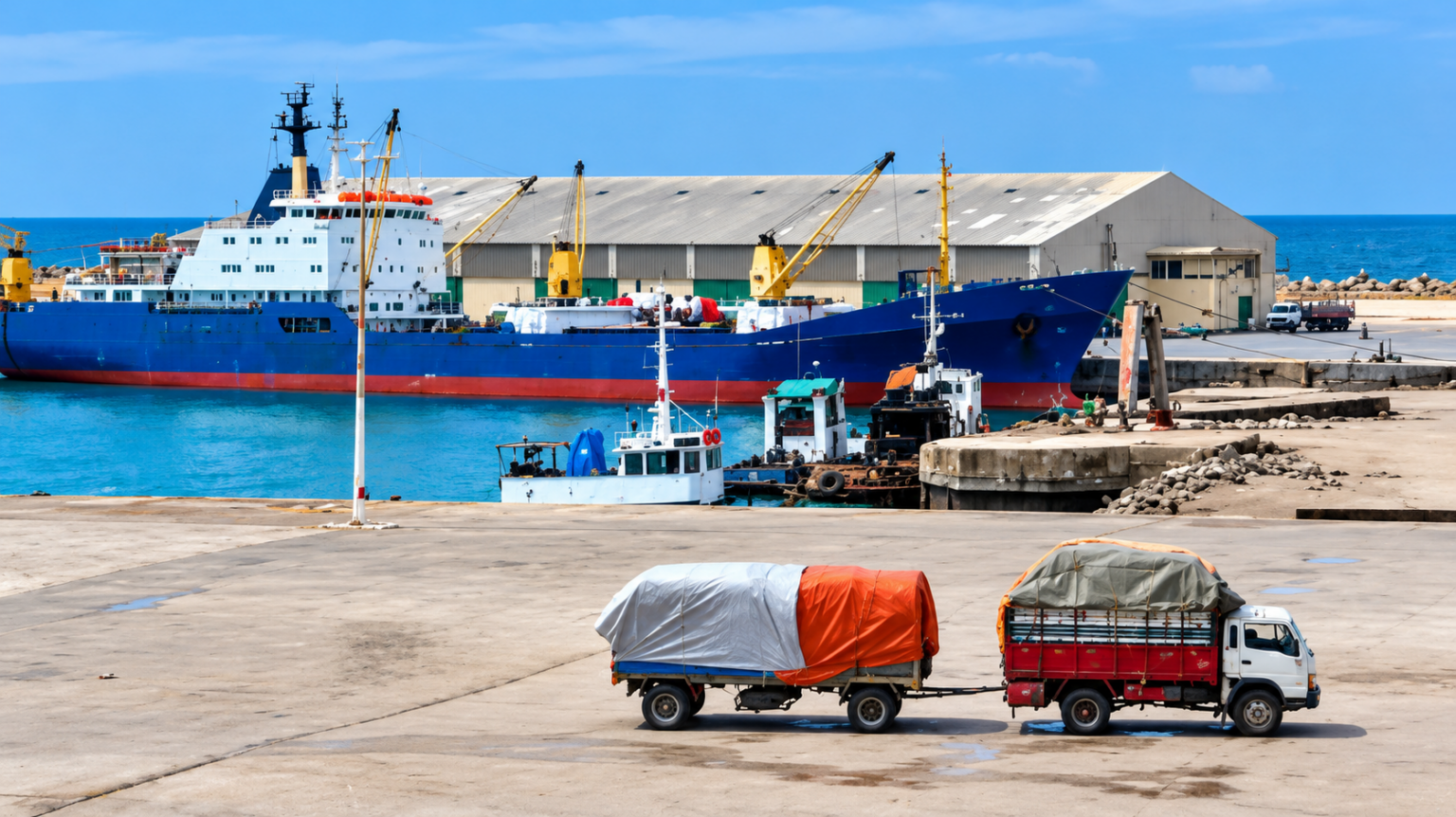
The disruption comes as Somalia remains heavily dependent on imported goods. The Ministry of Commerce recently said the country imports goods worth nearly $9 billion annually, underscoring the importance of international trade to the Somali economy.
Somali traders have also been looking for alternative routes for bringing goods into the country as disruptions along key regional shipping routes increase transportation costs and concerns over delays.
The Mogadishu Port authorities have said they are working with traders to identify alternative routes for bringing supplies into Somalia.
The Strait of Hormuz is a major global route for energy shipments and international trade. Shipping data cited by Reuters showed a sharp decline in commercial vessel traffic through the waterway.
Reuters reported on September 22 that only two cargo vessels crossed the strait that day, compared with an estimated pre-conflict average of about 125 large vessels a day.
The disruption comes as Somalia is also dealing with a severe humanitarian situation. President Hassan Sheikh has said more than six million people have been affected by drought linked to climate change.
Higher food and fuel prices could therefore add pressure on households already dealing with the effects of drought and humanitarian needs.
Somalia is consequently facing pressure on two fronts: weaker domestic revenue and higher import costs, while millions of people continue to require humanitarian assistance and support to cope with the impact of drought.