
Somalia Opposition Alliance Urges AUSSOM Troop-Contributing States to Back Political Deal
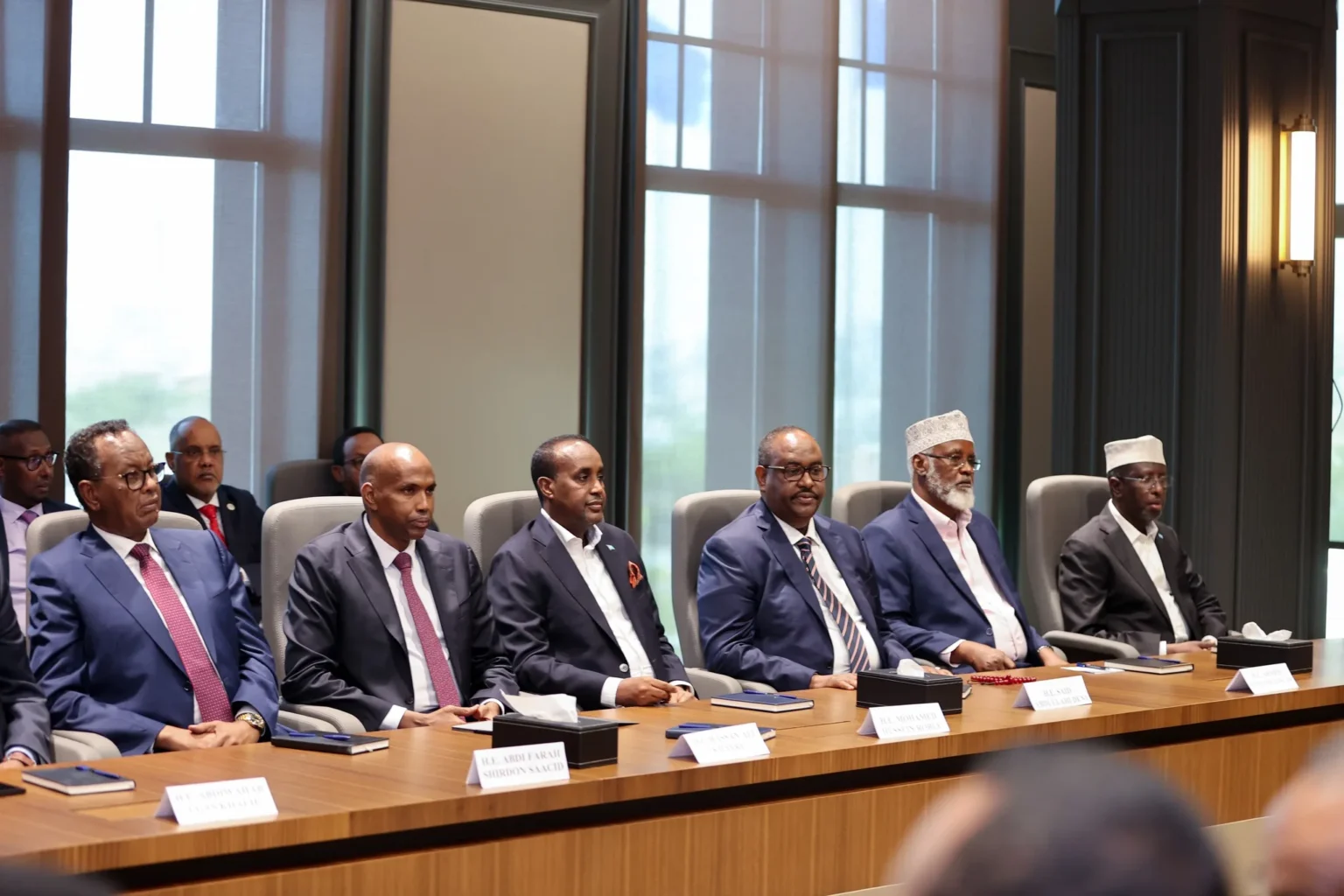
GOOBJOOG NEWS | MOGADISHU: Somalia’s opposition-led Somali Future Council has called on countries contributing troops and police to the African Union’s mission in Somalia to make an inclusive political settlement a priority alongside security efforts, as tensions between the federal government and some regional states remain unresolved.
In an open letter dated July 27 and addressed to the leaders of Uganda, Kenya, Ethiopia, Djibouti, Burundi and Egypt, the council said the future of Somalia’s security and political transition could not be separated from efforts to resolve the country’s political differences.
The council thanked the six countries for their military and security support to Somalia over nearly two decades, saying thousands of African personnel had made sacrifices in the fight to restore peace and stability.
It then urged the countries to use their influence to encourage a political agreement involving the federal government, federal member states and opposition groups.
The letter comes amid a prolonged dispute over Somalia’s constitutional arrangements and the timetable for elections. The Somali Future Council, which brings together Puntland, Jubaland and prominent opposition figures, has rejected parts of the federal government’s electoral and constitutional agenda.
The council argues that the mandates of federal institutions have expired without an agreed political roadmap. Its position, however, is disputed by the federal government, which has defended the constitutional changes and its plans for direct elections.
The dispute has already had security implications. Puntland and the federal government have remained at odds over federal authority and security arrangements, while Jubaland has also been in conflict with Mogadishu over political and constitutional issues. Recent assessments have described the standoff between Mogadishu and Puntland as part of the wider confrontation between the federal government and the opposition coalition.
Security and politics increasingly intertwined
The opposition council warned that political fragmentation could undermine cooperation against Al-Shabaab and Islamic State militants, particularly at a time when Somalia is still dependent on international support to strengthen its security forces.
That concern has wider implications for AUSSOM, which supports Somali security forces in their fight against militant groups. The African Union has itself stressed the importance of sustaining the mission while ensuring that its objectives remain clear and that African-led peace operations receive reliable financing.
The council proposed establishing a Somali Transitional Council to oversee constitutional and electoral processes until fully legitimate national institutions are established.
It also called on AUSSOM troop-contributing countries to condition their support on an inclusive political agreement, arguing that military gains alone would not produce lasting stability without a broadly accepted political settlement.
The letter was also copied to the African Union, United Nations Security Council, IGAD, European Union, United States, United Kingdom and Turkey.
International pressure for dialogue
The appeal follows renewed international calls for Somali political leaders to reach a compromise.
In May, the African Union said talks between the federal government and representatives of the Somali Future Council had ended without agreement. The AU urged both sides to return to substantive and inclusive dialogue and warned against deepening political divisions.
The crisis escalated further in June when armed clashes were reported in Mogadishu. The African Union called for restraint, protection of civilians and a return to dialogue through constitutional processes.
There have since been attempts at mediation. Recent talks involving the federal government and opposition representatives have included international participation, although Puntland and Jubaland have remained reluctant to join some of the discussions.
For many Somalis, the dispute is about more than competing political camps. It touches on a longstanding question over how power should be shared between Mogadishu and the federal states, how elections should be conducted and how constitutional changes should be agreed.
For international partners, the stakes are also regional. Somalia remains at the centre of security efforts in the Horn of Africa, while AUSSOM’s future, the fight against al-Shabaab and the country’s political transition are increasingly interconnected.
The latest appeal from the Future Council therefore puts the international partners supporting Somalia’s security mission in a difficult position: they must help maintain pressure on armed groups while avoiding political divisions that could weaken the cooperation needed to contain them.