
Somalia Steps Up Preparations for Possible El Niño Impact
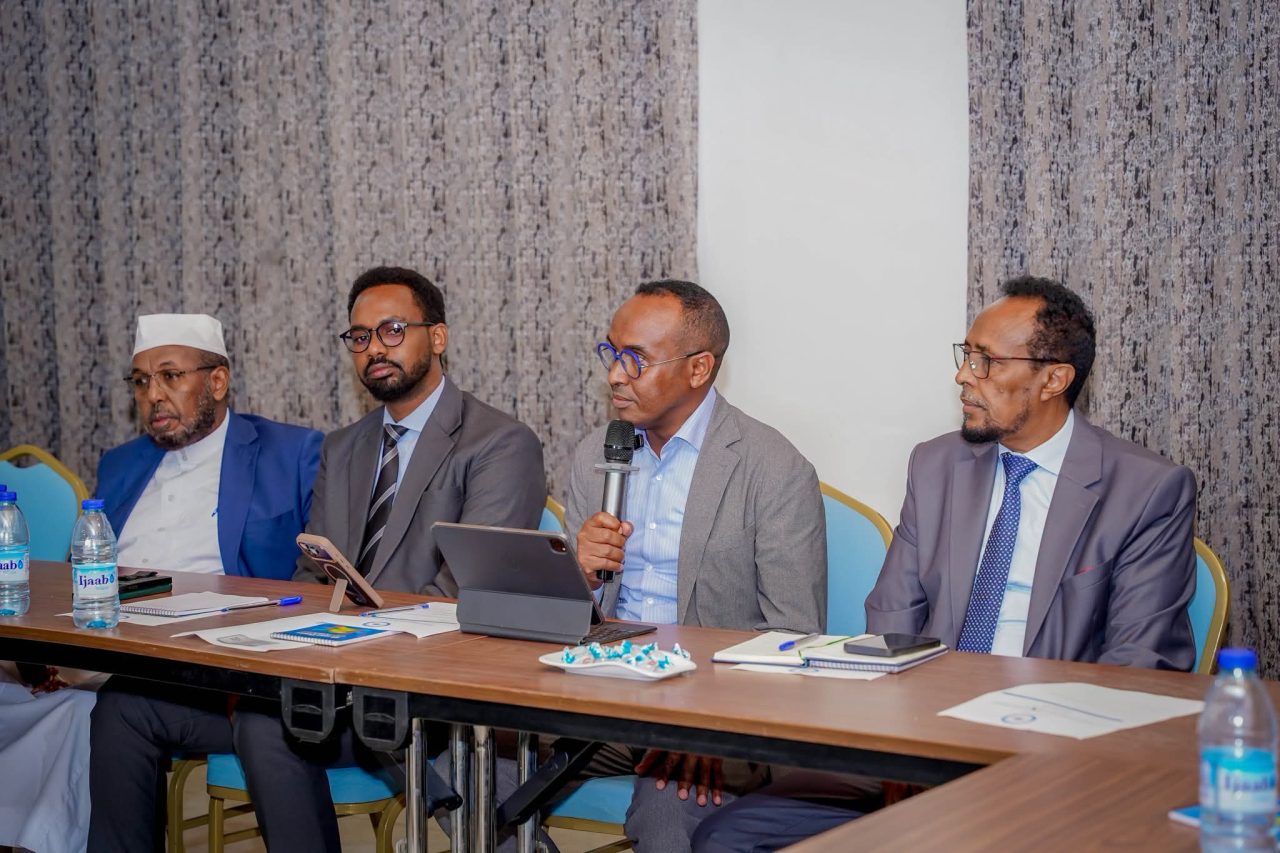
GOOBJOOG NEWS | MOGADISHU: Somalia is stepping up preparations for the possible effects of El Niño, with the Somali Disaster Management Agency (SoDMA) bringing together government officials, researchers and women’s organisations to discuss ways of strengthening the country’s response to climate-related emergencies.
The national consultation, held in Mogadishu on Monday, focused on improving early-warning systems, strengthening disaster preparedness and ensuring communities are better equipped to respond to potential floods and other climate-related risks.
SoDMA said closer coordination between government institutions, women’s organisations and local communities would be important in ensuring that warnings and emergency assistance reach vulnerable people in time.
The meeting is expected to produce recommendations aimed at increasing women’s participation in disaster preparedness and response, while strengthening Somalia’s wider readiness for the anticipated climate event.
The preparations come as Somalia continues to face the effects of prolonged drought, with millions of people already affected by shortages of water and food and the loss of livelihoods.
The prospect of El Niño-related heavy rains presents a different but equally serious risk. Flooding could damage roads and infrastructure, disrupt livelihoods and force more families from their homes, particularly in areas already weakened by drought.
The issue also has wider implications for the Horn of Africa, where climate shocks have repeatedly compounded food insecurity, displacement and humanitarian needs.
For Somalia, the emphasis on early warning and community participation reflects a growing effort to respond to disasters before they occur, rather than relying mainly on emergency assistance after communities have already been affected.
Women’s organisations are expected to play a greater role in that approach, particularly in helping authorities identify vulnerable households and ensuring information reaches communities at local level.
The effectiveness of the preparations will ultimately depend on whether early warnings can be translated into timely action, particularly in communities already struggling to recover from successive climate shocks.