
Somalia to Begin Tariff-Free Fish Exports to China in September
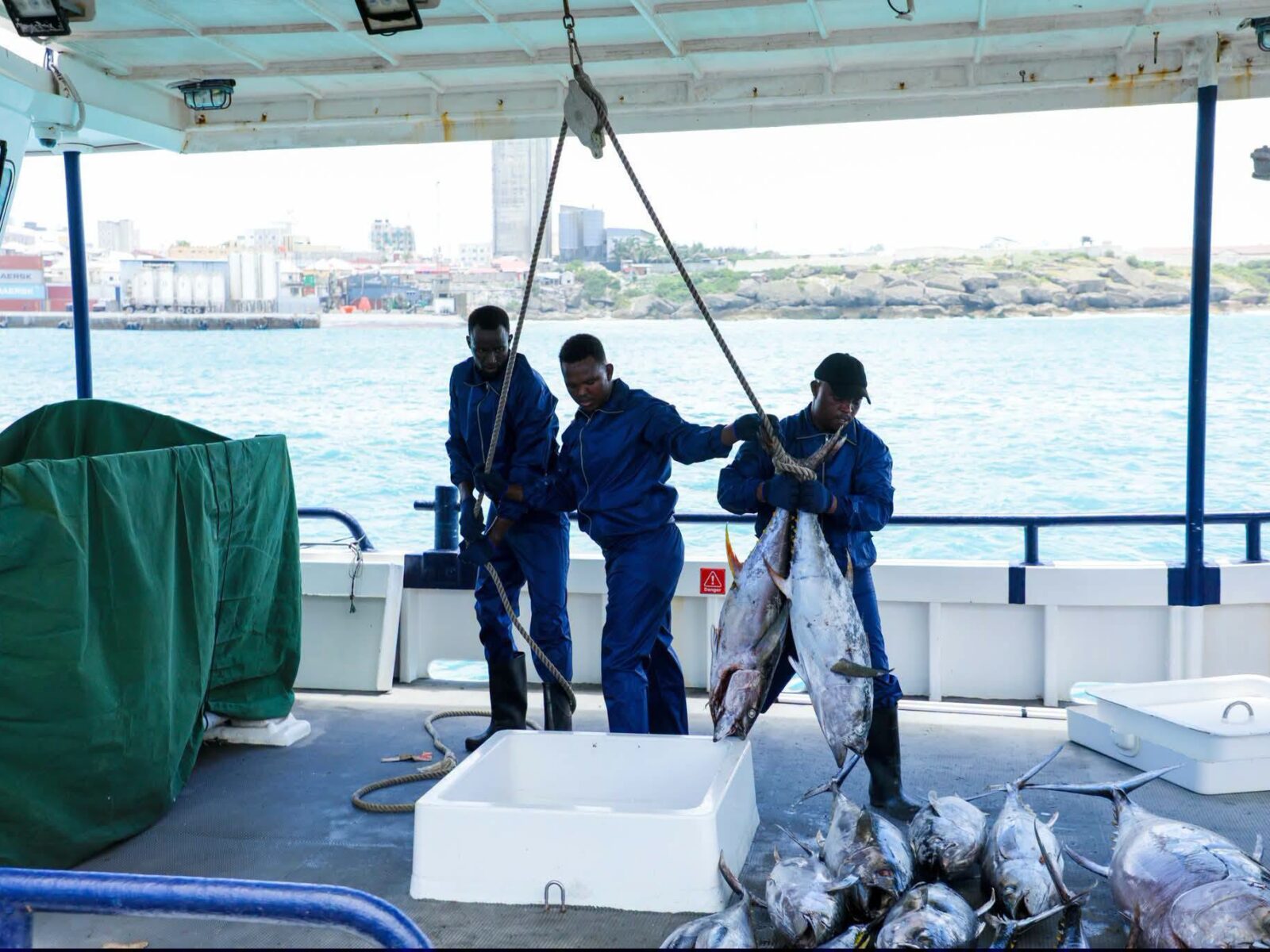
GOOBJOOG NEWS | MOGADISHU: Somalia is expected to begin exporting fish and other marine products to China in September, opening access to one of the world’s largest seafood markets under a tariff-free agreement signed by the two countries last month.
The planned exports follow a July 13 agreement signed in Mogadishu by Somalia’s Minister of Fisheries and Blue Economy, Ahmed Hassan Adan, and China’s ambassador to Somalia, Wang Yu.
Under the agreement, Somali seafood products including tuna and lobster will be eligible for entry into the Chinese market without customs tariffs.
The Director General of the Ministry of Fisheries and Blue Economy, Abdi Dirshe, described the agreement as a landmark step for Somalia’s blue economy, saying it could help create jobs and attract investment in cold storage, fish processing and supply chains.
The planned exports could provide a significant boost to Somalia’s efforts to turn its long coastline into a larger source of economic growth.
Somalia has more than 3,500 km of coastline, giving it some of Africa’s largest marine resources. Yet the fishing sector has remained relatively underdeveloped, constrained by limited cold-storage facilities, processing capacity, transport infrastructure and access to international markets.
The opening of the Chinese market could encourage investment in landing sites, ports, processing facilities and cold-storage networks needed to move seafood from coastal communities to overseas consumers.
For Somali fishing businesses, the key test will be whether the tariff-free access can translate into regular commercial exports and higher incomes for fishermen and companies operating along the coast.
The agreement also fits into the government’s broader push to develop the blue economy as an additional source of revenue and employment alongside Somalia’s traditional livestock and agricultural sectors.
Access to the Chinese market, however, does not by itself guarantee an immediate expansion in exports.
Somali producers will need to meet Chinese requirements on food safety, quality, processing, traceability and export certification. The country will also need reliable cold chains and transport links to prevent losses between landing sites and export points.
Somalia is simultaneously seeking to strengthen management of its marine resources, while illegal, unreported and unregulated fishing remains a challenge and the government’s capacity to monitor its extensive territorial waters remains limited.
Officials will therefore be watching closely as September approaches, particularly which Somali companies qualify to export, which ports will handle shipments and whether the necessary quality-control and logistics systems are ready.
If successfully implemented, the agreement could mark an important step in transforming Somalia’s fishing industry from a largely underdeveloped coastal activity into a more commercially integrated export sector.