
Somalia Unveils Reforms to Integrate Quranic Schools into National Education System
GOOBJOOG NEWS | MOGADISHU: Somalia plans to bring Quranic schools under the country’s formal education system for the first time, introducing national standards for curricula, teacher qualifications and student certification as part of broader reforms aimed at modernizing the education sector.
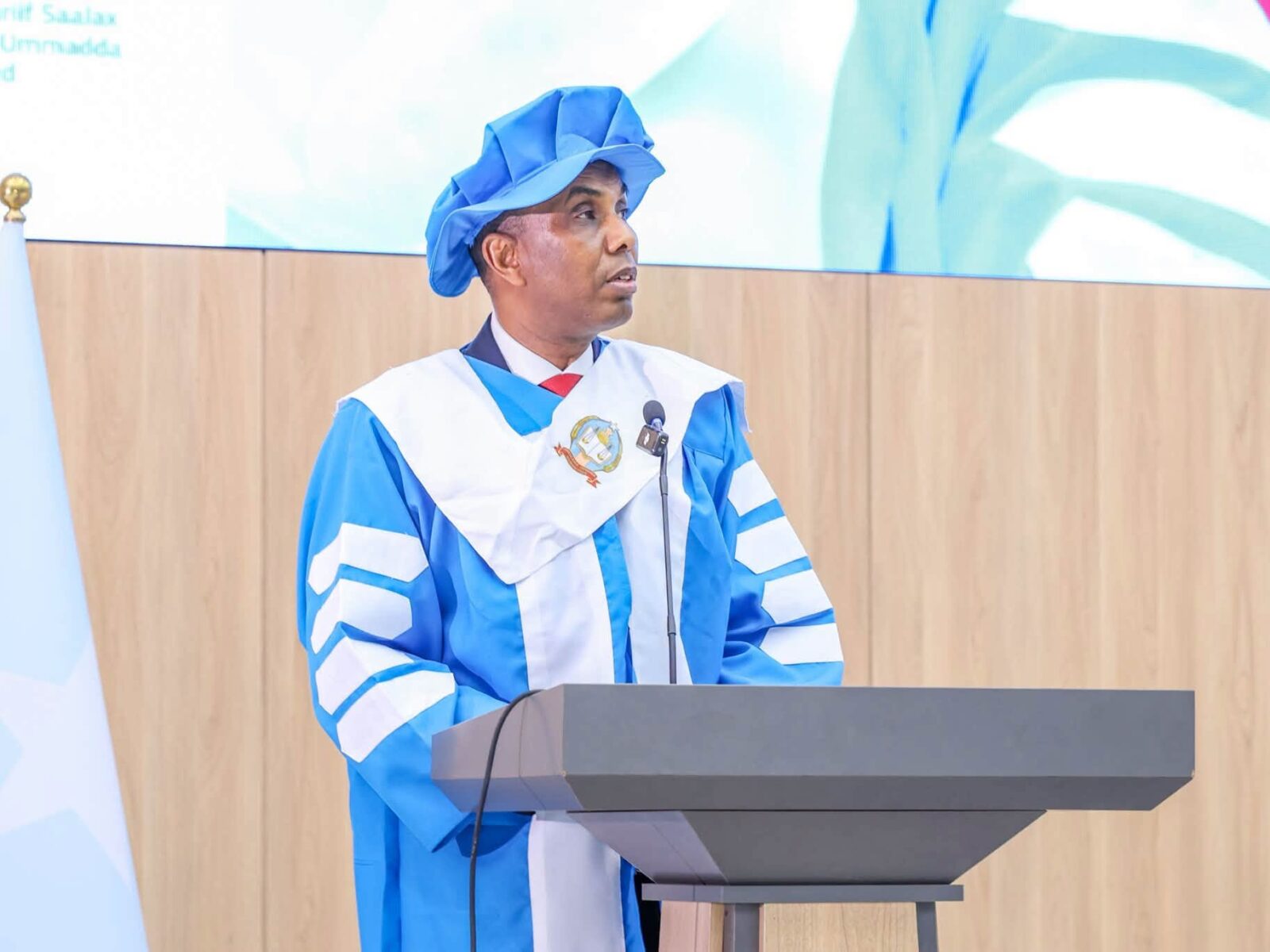
Prime Minister Hamza Abdi Barre announced the measures during the graduation ceremony of the first Master’s cohort in Da’wah and Judiciary at the Higher Institute for Da’wah Affairs and Islamic Studies, a constituent institution of Somali National University.
Under the proposed reforms, Quranic schools will be officially recognized as educational institutions and placed under the oversight of the Ministry of Education, ending a long-standing arrangement in which they fell under the Ministry of Endowments and Islamic Affairs.
“For the first time in Somalia’s history, Quranic schools will become part of the national education system,” Barre said, describing the move as an effort to improve educational standards while preserving the country’s Islamic heritage.
The reforms would introduce nationally recognized curricula, accreditation systems and certification for Quranic schools, while requiring teachers to receive formal training and recognized qualifications.
The government also plans to establish a Supreme Council of Somali Scholars to issue unified religious rulings, or fatwas, replacing what officials describe as fragmented interpretations by individual clerics. Legislation to establish the council has already been approved by the cabinet and is awaiting debate in parliament.
Barre said authorities were also developing a digital registration system covering Quranic schools, Islamic institutes and universities to verify students’ academic credentials and improve oversight across the sector.
He urged universities to produce graduates with expertise in areas such as maritime law, financial crimes, auditing, Islamic jurisprudence and petroleum law, arguing that Somalia needs professionals capable of responding to emerging legal and economic challenges as the country continues to rebuild its institutions.
The announcement forms part of a broader reform agenda pursued by the government, which has in recent years introduced changes in education, public finance, digital governance and civil service administration as it seeks to strengthen state institutions following decades of conflict.
Education remains one of Somalia’s biggest development challenges. While Quranic schools are attended by millions of children and play a central role in religious instruction, they have historically operated outside a unified national regulatory framework, with curricula and teaching standards varying widely across the country.
The proposed reforms are expected to require parliamentary approval for some legislative measures before they can be fully implemented. Education experts say the success of the initiative will depend on consultation with religious scholars, private education providers and federal member states, which share responsibility for delivering education under Somalia’s federal system.
If enacted, the reforms would mark one of the most significant changes to Somalia’s Islamic education sector since the country adopted its federal model, with the aim of aligning religious education more closely with the national education framework while maintaining its religious character.