
UK Envoy Joins Mogadishu Media Dialogue as Somali Journalists Push for Greater Press Freedom
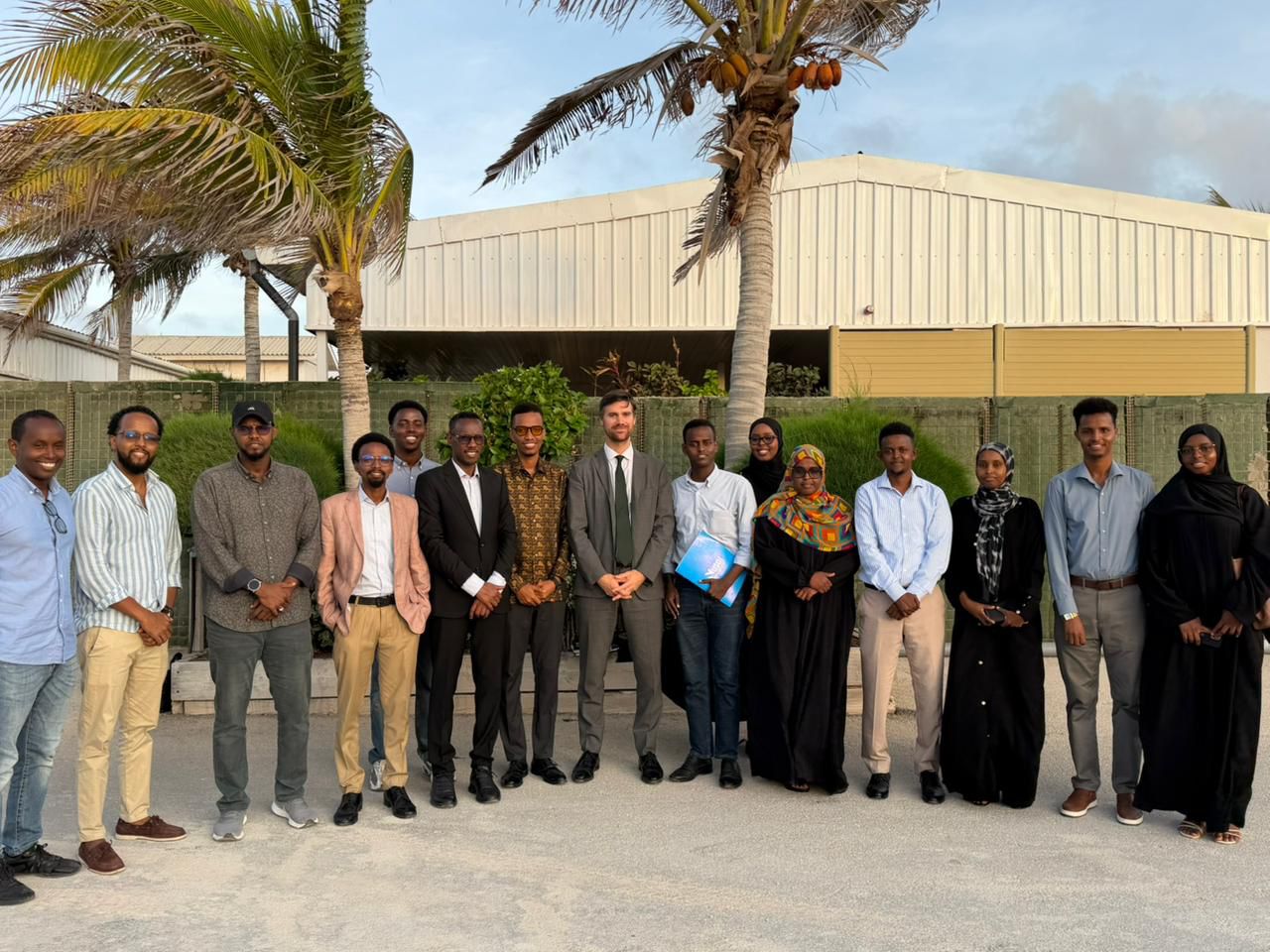
GOOBJOOG NEWS|MOGADISHU: Somali journalists, editors, and media stakeholders gathered at the British Embassy in Mogadishu to commemorate World Press Freedom Day 2026, where discussions centered on the future of independent journalism, accountability, and the growing threat of misinformation in Somalia.
The roundtable brought together media professionals and representatives from various institutions under the global theme “Shaping a Future at Peace.” Britain’s Ambassador to Somalia, Charles Nicholas King, participated in the discussions and engaged directly with journalists on challenges facing the country’s media sector.
Sessions during the forum focused on the state of media freedom globally and in Somalia, journalist safety, misinformation, accountability, and opportunities for collaboration within the media industry.
Participants voiced concern over the rapid spread of false and misleading information, especially through social media platforms, warning that misinformation continues to weaken public trust and fuel instability.
“Misinformation today is not just a media issue — it is a societal risk that can undermine peace and stability,” one participant said during the meeting.
Journalists also highlighted persistent difficulties in accessing official information from government institutions, saying limited transparency often leaves room for rumors and speculation to dominate public discourse.
“Access to information is essential. When institutions do not communicate openly, misinformation takes its place,” another participant noted.
The discussion further examined the growing influence of online commentators and social media influencers in shaping public narratives. Media stakeholders stressed that while digital platforms play an important communication role, professional journalism rooted in verification and ethical standards remains essential.
Humanitarian accountability also emerged as a major issue during the roundtable. Participants questioned whether aid resources allocated to Somalia are reaching vulnerable communities effectively, citing concerns over weak monitoring and evaluation systems.
“The issue is not only how much funding is allocated, but whether it reaches the people it is intended to serve,” a participant stated.
The role of the Somali Disaster Management Agency (SODMA) was also discussed, with calls for improved transparency, stronger communication with the public, and enhanced accountability in disaster response and humanitarian coordination.
Participants emphasized the importance of investigative journalism in monitoring humanitarian operations, exposing gaps in service delivery, and amplifying the concerns of affected communities.
Several speakers also raised concerns over what they described as inconsistent reactions from parts of the international community when Somali journalists face intimidation or pressure linked to their reporting.
Ambassador King reaffirmed the United Kingdom’s support for media development, journalist protection, and open access to information in Somalia, while underscoring the importance of continued engagement with local media institutions.
The meeting concluded with renewed calls for stronger protections for journalists, better institutional transparency, and sustained support for independent media as Somalia continues to navigate political, security, and humanitarian challenges.