
Western Embassies and UN Mission Urge Somalia Back to Dialogue as Political Crisis Deepens
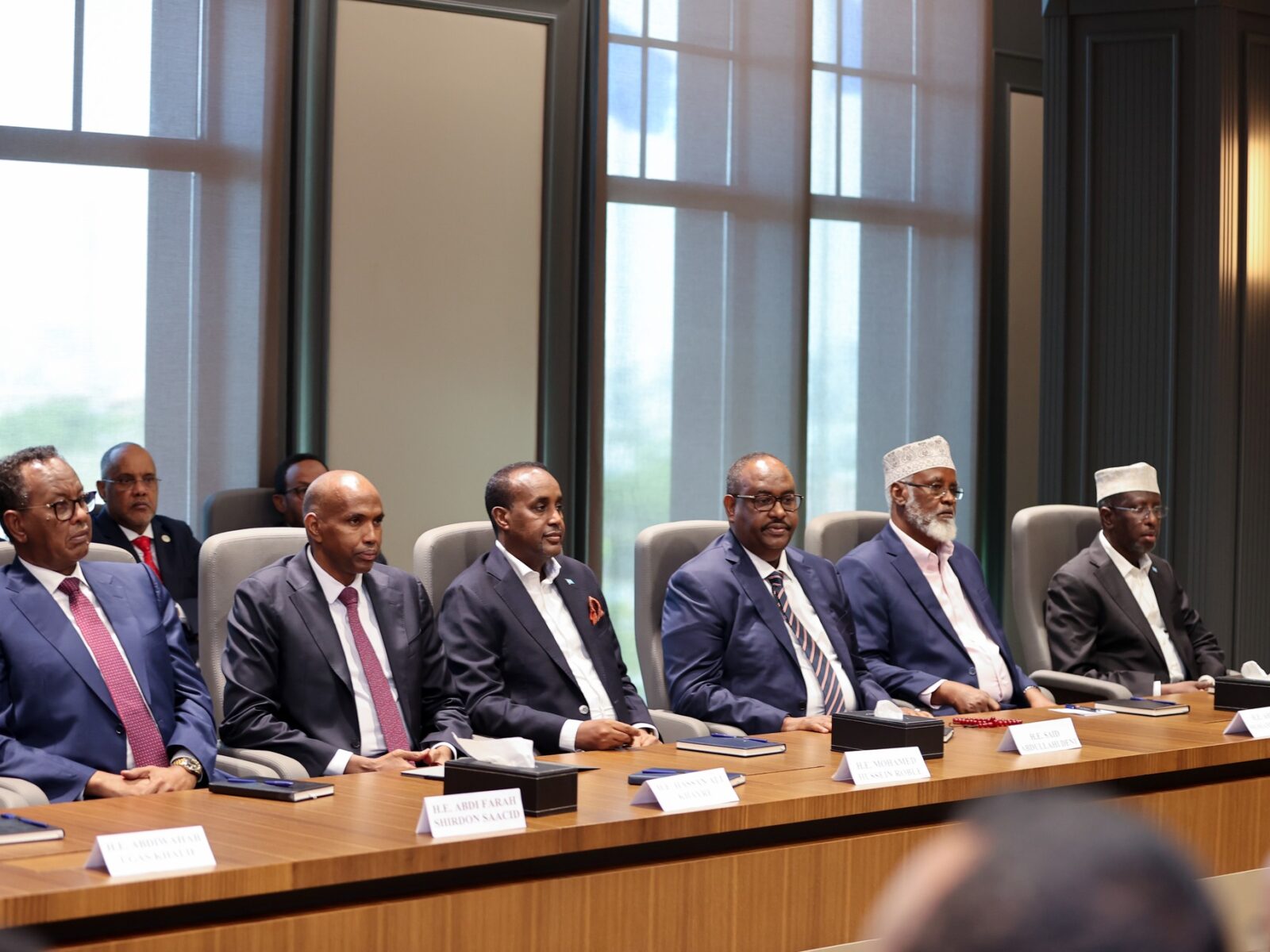
GOOBJOOG NEWS|MOGADISHU: A broad coalition of Western embassies and the United Nations mission in Somalia issued a joint statement on Monday calling on all Somali political actors to resume dialogue and urgently agree on an electoral roadmap, as the country’s worst political standoff in years shows little sign of resolution.
The statement was signed by missions including the British Embassy in Mogadishu, the EU Delegation to the Federal Republic of Somalia, UNTMIS, and the embassies of Norway, Sweden, Germany, France, Ireland, Italy, the Netherlands, Belgium, Austria, Finland, Portugal, Spain, Switzerland and Poland. The signatories described the current situation as a matter of deep concern and urged Somali leaders to put national interest above all else.
“We call on all sides to resume dialogue as soon as possible, and to swiftly reach consensus on an election roadmap in the interest of the Somali people,” the statement read. The signatories warned all parties to refrain from any actions that could lead to an escalation of tensions, and pledged the international community’s readiness to support Somali-led talks should they be requested.
A Crisis Months in the Making
The statement comes at the end of a turbulent month that has laid bare the depth of Somalia’s constitutional fault lines.
Somalia’s federal parliament passed constitutional amendments in early March extending both presidential and parliamentary terms from four to five years, pushing elections to 2027. Analysts described the move as a substitution of democratic legitimacy with what one commentary called “the cold logic of force.” The federal parliament’s own mandate had expired on 14 April 2026. President Hassan Sheikh Mohamud’s term ran out on 15 May.
President Mohamud’s push to amend the provisional constitution, establish a new electoral system, and redraw the federal map has been widely read as a bid to centralise executive power and extend his time in office. The approach has sharpened divisions between Mogadishu and key federal member states, Puntland and Jubaland chief among them.
Talks Fail Repeatedly
Diplomatic efforts to break the deadlock began well before the deadline. In February 2026, following political and international pressure, President Hassan Sheikh and the opposition sat down formally for the first time. A preliminary lunch on February 17 was followed by official talks at Villa Somalia on February 18 and 19. The process stalled almost immediately, and the two sides parted without agreement.
A second round followed in May. The United States stepped in to mediate on 13 May, with negotiations held inside the heavily fortified Halane compound at Mogadishu’s Aden Adde International Airport. It was the first formal American mediation effort in the dispute. Those talks between the federal government and the opposition Somali Future Council collapsed on 15 May after both sides remained sharply divided over core electoral questions.
President Hassan Sheikh insisted that Somalia must proceed with a one-person, one-vote electoral model, arguing that constitutional amendments passed earlier in the year effectively extend his administration’s mandate. He rejected outright any proposals for a caretaker or transitional arrangement. Within hours of the talks collapsing, he declared that his presidency would continue until May 15, 2027. The opposition was equally unequivocal: his constitutional mandate had expired, and he no longer held legitimate authority.
Protests and Violence
The political standoff had already reached the streets before the mandate deadline arrived. On May 10, one person was killed and several others were wounded after Somali security forces opened fire on anti-government protesters in the Daynile district of Mogadishu. The demonstrations were organised by the Somali Future Council, with former President Sheikh Sharif Sheikh Ahmed and former Prime Minister Hassan Ali Khaire among the opposition figures lending their weight to the campaign. President Mohamud maintained that the protests were not a genuine exercise of civil rights but a calculated effort to destabilise the country.
Federal Architecture Under Strain
The week that followed May 15 brought a sequence of developments that raised serious questions about the extent of the federal government’s authority. Puntland formally withdrew recognition of President Hassan Sheikh Mohamud’s administration. A senior United States delegation then held direct talks with Puntland’s leadership on political and security matters, sidestepping Mogadishu in a manner that would have been considered diplomatically extraordinary at any earlier point.
International partners convened virtual crisis talks with the opposition and key regional leaders on May 18. The UN Secretary-General’s office said he welcomed the willingness of both parties to engage and encouraged them to continue dialogue toward an agreement on elections and related matters. The African Union and IGAD issued similar calls for the resumption of transition talks.
Monday’s joint statement represents the most coordinated public diplomatic intervention yet from the international community. With no talks currently scheduled and both sides holding firm, the prospects for an early resolution remain uncertain.