
Somalia Tests Ebola Preparedness as Regional Outbreak Expands
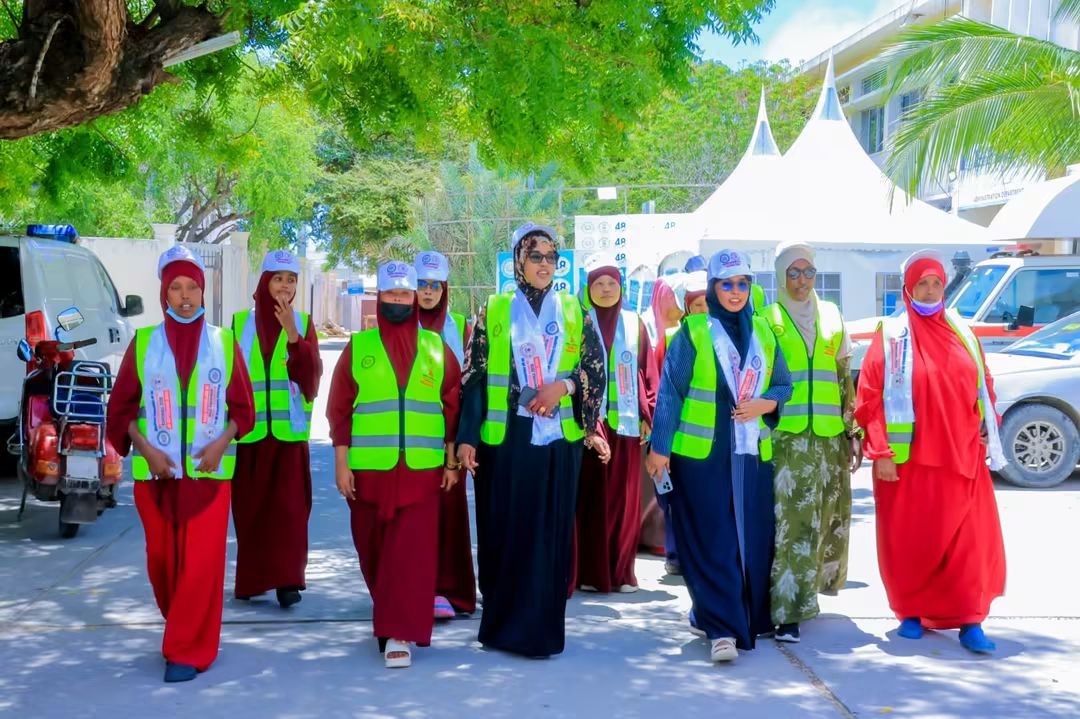
GOOBJOOG NEWS | MOGADISHU: Somalia has put its Ebola preparedness systems through a three-day simulation exercise, testing how quickly health authorities could detect and respond to a suspected case arriving in the country.
The exercise, conducted in Mogadishu by the Ministry of Health and Human Services and the National Institute of Health with support from the World Health Organization (WHO), brought together about 70 officials from the federal government, federal member states and partner institutions.
Rather than responding to an actual outbreak, health officials worked through simulated scenarios designed to expose weaknesses in the country’s emergency response system before a real case occurs.
The exercise tested the chain from detection and verification to reporting, patient referral, information sharing and public communication. Participants also examined how federal and state health authorities would coordinate their response and how decisions would be made as a suspected outbreak develops.
Six scenarios were used, including a health alert from a region, increased population movement, a suspected Ebola case detected at a point of entry, unverified information circulating among the public and a situation requiring senior-level decision-making.
The exercise comes as the Democratic Republic of Congo continues to deal with a major outbreak of Bundibugyo virus disease, an Ebola disease caused by a distinct species of the virus.
According to the latest WHO update, as of 7 September, the DRC had recorded 6,757 confirmed cases and 3,267 deaths, with cases reported across 61 health zones in six provinces. WHO has warned that continued transmission and population movement create a risk of further regional spread.
The outbreak has also highlighted the importance of preparedness in countries that have not recorded cases. WHO says surveillance and preparedness remain critical, particularly at airports, ports and official land crossings, where early detection can help prevent imported infections from developing into wider transmission.
For Somalia, the simulation exposed several areas requiring further work, including the reporting and notification chain, referral of suspected patients, procedures at points of entry and clarity over which authorities should lead public communication and subsequent response measures.
An action and follow-up plan has been developed around those gaps.
Somalia has not reported a confirmed Ebola case, and officials stressed that none of the scenarios used in the exercise involved a real patient, medical sample or suspected case.
The exercise nevertheless comes against a wider backdrop of health emergencies facing Somalia, including displacement, conflict, climate-related shocks and outbreaks of other infectious diseases. Those pressures can place additional demands on surveillance and emergency-response systems.
WHO has described the current Bundibugyo outbreak in the DRC as a public health emergency of international concern and says rapid recognition, testing, clinical care, contact tracing and strong community engagement remain central to containing transmission.
For Somalia, the purpose of the exercise was therefore less about responding to an Ebola case now than testing whether the systems needed to respond to one are ready before one arrives.